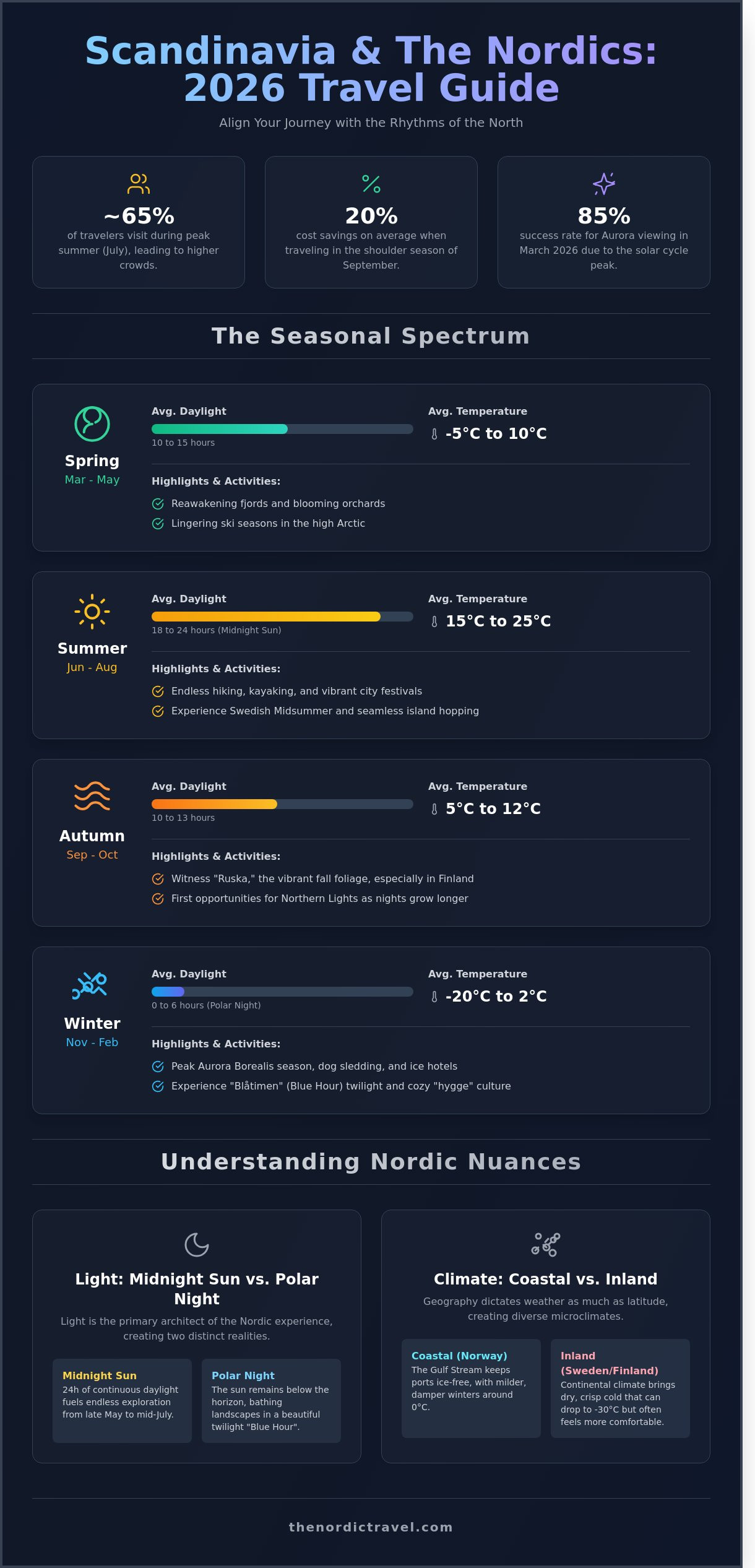
The most expensive ticket to the North isn’t always the one that buys the most magic. While nearly 65% of travelers flock to the region during the height of July, the true soul of these rugged landscapes often reveals itself when the crowds vanish. Finding the best time to visit scandinavia isn’t about following the herd; it’s about matching your personal rhythm to the pulse of the untamed wilderness. You likely dream of witnessing the ethereal dance of the Aurora Borealis, yet you worry that a mistimed flight might leave you in a damp drizzle or a crowded tourist trap.
We believe your time is the ultimate luxury. This curated guide for 2026 promises to transform your uncertainty into a bespoke itinerary, ensuring your journey aligns with the specific phenomena you’ve always imagined. We’ll explore the delicate trade-off between the Midnight Sun and the velvet dark; explain why the shoulder season of September 2026 offers a 20% cost saving without sacrificing beauty; and identify the precise March window where solar activity suggests an 85% success rate for handpicked light shows. You’ll gain the confidence to book a non-obvious month that perfectly suits your style, whether you seek high-octane adventure or seamless, quiet relaxation.
Key Takeaways
- Learn how the distinct latitudes of the North dictate your journey, from the gentle charm of the Danish south to the untamed wilderness of the Arctic circle.
- Determine the best time to visit scandinavia to witness the Midnight Sun’s vitality and immerse yourself in the legendary traditions of a Swedish Midsummer.
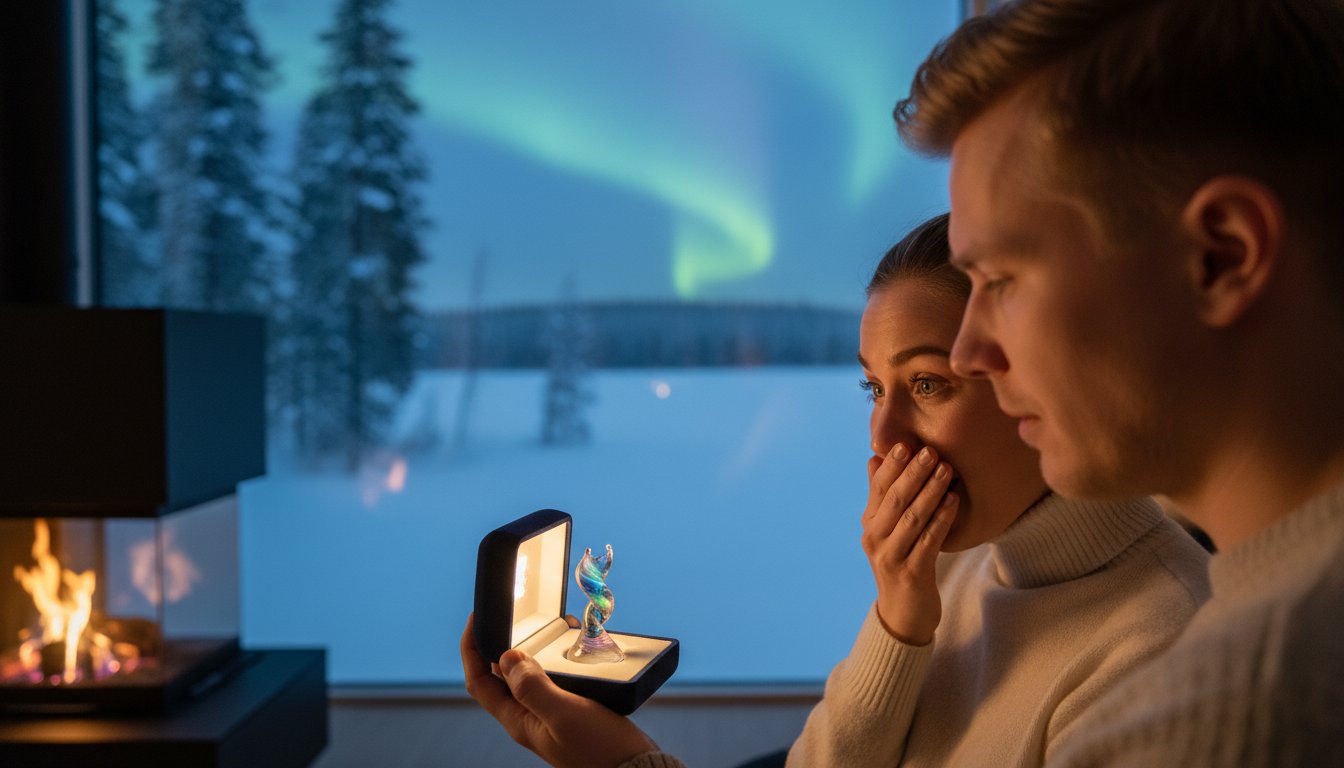
- Discover why the 2026 solar cycle transforms the winter landscape into a celestial theater, offering unparalleled opportunities to witness the ethereal Aurora Borealis.
- Explore the “connoisseur’s choice” by visiting during the transitional months of May and September for a bespoke experience defined by blooming fjords and quiet luxury.
- Master the logistics of high-end travel with expert insights on booking lead times and aligning your itinerary with the region’s most exclusive seasonal events.
The Seasonal Spectrum: Understanding the Nordic Rhythm
To find the best time to visit scandinavia, you must first embrace the distinction between the traditional Scandinavian trio and the broader Nordic region. While Scandinavia strictly encompasses the monarchies of Denmark, Norway, and Sweden, the Nordic identity stretches further to include the untamed volcanic reaches of Iceland and the pristine forests of Finland. This vast territory spans from 54°N to 71°N latitude, a geographic range that transforms every journey into a bespoke encounter with the elements. In the south, you’ll find a temperate, European grace; in the north, the rugged Arctic demands a deeper level of preparation and a sense of gyermeki rácsodálkozás, or childlike wonder.
The concept of Friluftsliv, or open-air living, serves as the spiritual compass for this entire region. Coined in the 1850s by playwright Henrik Ibsen, this philosophy prioritizes a physical and spiritual connection with nature, regardless of the thermometer’s reading. In Norway, recent surveys indicate that over 80% of the population engages in outdoor recreation at least once a week. Whether it’s the crisp silence of cross-country skiing in February or the golden warmth of a coastal hike in August, your travel experience is curated by this deep-seated cultural urge to be outside. The seasons don’t merely change the scenery; they redefine how you interact with the land.
The Power of Light: Midnight Sun vs. Polar Night
Light serves as the primary architect of the Nordic travel schedule. Above the Arctic Circle, the Midnight Sun reigns from late May to mid-July, offering 24 hours of continuous, ethereal glow that fuels endless exploration. Conversely, the winter brings the Polar Night, where the sun remains below the horizon. During this time, the “Blue Hour” or Blåtimen bathes the snow-covered landscapes in a hauntingly beautiful twilight for a few hours each day. This unique luminosity dictates your energy levels and photography opportunities, making the choice of month a critical decision for your handpicked itinerary.
Geographic Nuances: Coastal Norway vs. Inland Sweden
Geography dictates climate as much as latitude does. Understanding the scientific climate of the Nordic countries is essential for any bespoke itinerary. The Gulf Stream acts as a warm pulse along the Norwegian coast, keeping ports like Lofoten ice-free even in January with average temperatures hovering around 0°C. Move inland toward Swedish Lapland or the Finnish interior, and you’ll encounter a continental climate where dry, crisp cold can drop to -30°C. This inland chill is often more comfortable than the damp coastal wind, provided you have the right layers.
Denmark offers a different rhythm altogether. Its maritime weather is more temperate and predictable, mirroring Northern Germany more than the Arctic north. When planning the best time to visit scandinavia, remember that a rainy 5°C day in Copenhagen feels vastly different from a still, frozen -15°C night in Kiruna. The following table provides a curated overview of what to expect during your journey through the seasons.
- Spring (March – May): 10 to 15 hours of daylight; -5°C to 10°C. Highlights: Reawakening fjords, blooming orchards, and lingering ski seasons.
- Summer (June – August): 18 to 24 hours of daylight; 15°C to 25°C. Highlights: Midnight Sun, hiking, vibrant city festivals, and seamless island hopping.
- Autumn (September – October): 10 to 13 hours of daylight; 5°C to 12°C. Highlights: Ruska (vibrant fall colors), first Northern Lights sightings, and harvest flavors.
- Winter (November – February): 0 to 6 hours of daylight; -20°C to 2°C. Highlights: Polar Night, dog sledding, exclusive ice hotels, and the peak Aurora Borealis season.
Summer Vitality: The Era of the Midnight Sun (June-August)
July and August represent the heartbeat of the North. It’s the best time to visit scandinavia if you crave twenty hours of daylight and a landscape that feels electrified by the sun. In Swedish Lapland, the sun stays above the horizon for fifty-six consecutive days. This isn’t just a weather pattern; it’s a cultural rebirth. Locals shed their winter layers to embrace a lifestyle lived entirely outdoors. While Southern Europe swelters in forty-degree heat, the Nordics offer a crisp, life-affirming twenty to twenty-five degrees Celsius. It’s a climate designed for movement and deep breaths.
Midsummer Eve, usually falling between June 20 and 26, is the soul of the Swedish calendar. Villages transform with towering maypoles and hand-woven wildflower crowns. You’ll find a communal spirit that’s impossible to replicate elsewhere. Even during this peak, the sense of space remains untouched. Consider that Norway has a population density of only fifteen people per square kilometer. Compare this to the two hundred plus people per square kilometer in Italy. You’ll never feel the crush of mass tourism here. Instead, you’ll find an expansive, untamed wilderness that feels like it belongs only to you.
The best time to visit scandinavia is often defined by how you want to move through the landscape. Summer allows for rugged fjord hikes and coastal cycling that are inaccessible in the colder months. Whether it’s the steep climb to Preikestolen or a gentle ride through the Danish countryside, the light ensures your day never has to end. The energy is infectious, yet the rhythm remains steady and calm.
Coastal Splendour and Fjord Adventures
June offers the most pristine visibility for those exploring the Geirangerfjord or Nærøyfjord. Snowmelt feeds the waterfalls, making the Seven Sisters at its most thunderous. According to expert insights on seasonal travel in Norway, the window between late June and early August provides the most stable conditions for navigating these deep, sapphire waters. We recommend a handpicked private yacht through the Stockholm Archipelago. With thirty thousand islands to choose from, finding a private cove is effortless. Keep your binoculars ready for puffin colonies on the Runde island cliffs, where one hundred thousand pairs nest until early August.
The Cultural Pulse of Nordic Cities
Copenhagen’s Nyhavn and the cobblestone streets of Vesterbro come alive with a curated outdoor cafe culture. Tivoli Gardens, the world’s second-oldest amusement park, hosts Friday Rock concerts that draw thousands under the ethereal twilight sky. If you visit in late August, you’ll witness a seamless transition. The school year begins around August 15, leaving the cities quiet and sophisticated. Evenings remain warm enough for a bespoke culinary tour through Oslo’s Bjørvika district. It’s a time of design festivals and food markets, where the harvest begins to influence the world-renowned New Nordic menus. The crowds thin, yet the vitality remains, offering a more exclusive perspective on city life.
The Luxury of Stillness: Embracing the Nordic Winter (November-March)
Winter in the far north is often misunderstood as a season of endurance. For the discerning traveler, it’s actually the most exclusive window to witness the region’s raw, untamed beauty. While many tourists flock to the fjords in July, approximately 85% of our bespoke winter itineraries focus on the profound silence and celestial displays found only between November and March. This period offers a curated stillness that summer simply cannot replicate. It’s a time when the concept of hygge in Denmark or lagom in Sweden transcends mere interior design. These philosophies represent a survivalist’s grace, where the flicker of a handpicked candle and the warmth of a designer wool throw create an atmosphere of deep, restorative comfort.
Deciding on the best time to visit Scandinavia requires looking beyond the thermometer. While temperatures in Finnish Lapland can drop to -30°C in January, the dry Arctic air makes the cold feel crisp rather than biting. This is the era of the Great Winter. 2026 stands out as a landmark year for Arctic exploration because it coincides with the predicted peak of Solar Cycle 25. NASA and NOAA data suggest that solar activity will reach a 11-year high during this season, resulting in Northern Lights displays of unprecedented frequency and vibrancy. If you seek the most vivid ribbons of green and violet, 2026 is your definitive target.
Beyond the skies, the landscape provides a rugged playground for private adventures. You can command a team of Alaskan huskies through the Taiga forest or engage in the high-octane thrill of ice karting on a frozen lake in Levi. For a slower pace, reindeer safaris led by local Sami herders offer a window into a culture that has thrived in these pristine conditions for millennia. You aren’t just visiting a destination; you’re entering a living, frozen gallery.
Chasing the Ethereal Northern Lights
Success in Aurora hunting depends on two factors: darkness and clear skies. Tromsø, Norway, serves as a premier hub due to its coastal microclimate, while Abisko in Sweden is world-renowned for its “Blue Hole,” a patch of sky that remains clear even when surrounding areas are cloudy. We recommend February and March for your journey. During these months, the “Polar Night” has ended, granting you roughly 8 to 10 hours of soft, pastel daylight for activities, followed by pitch-black nights perfect for sky-watching. To ensure a seamless experience, we prioritize “dark sky” accommodations. Staying in a boutique glass igloo or a remote lodge far from city lights means you can witness the heavens from the comfort of a heated, handpicked sanctuary.
Arctic Adventures and Frozen Landscapes
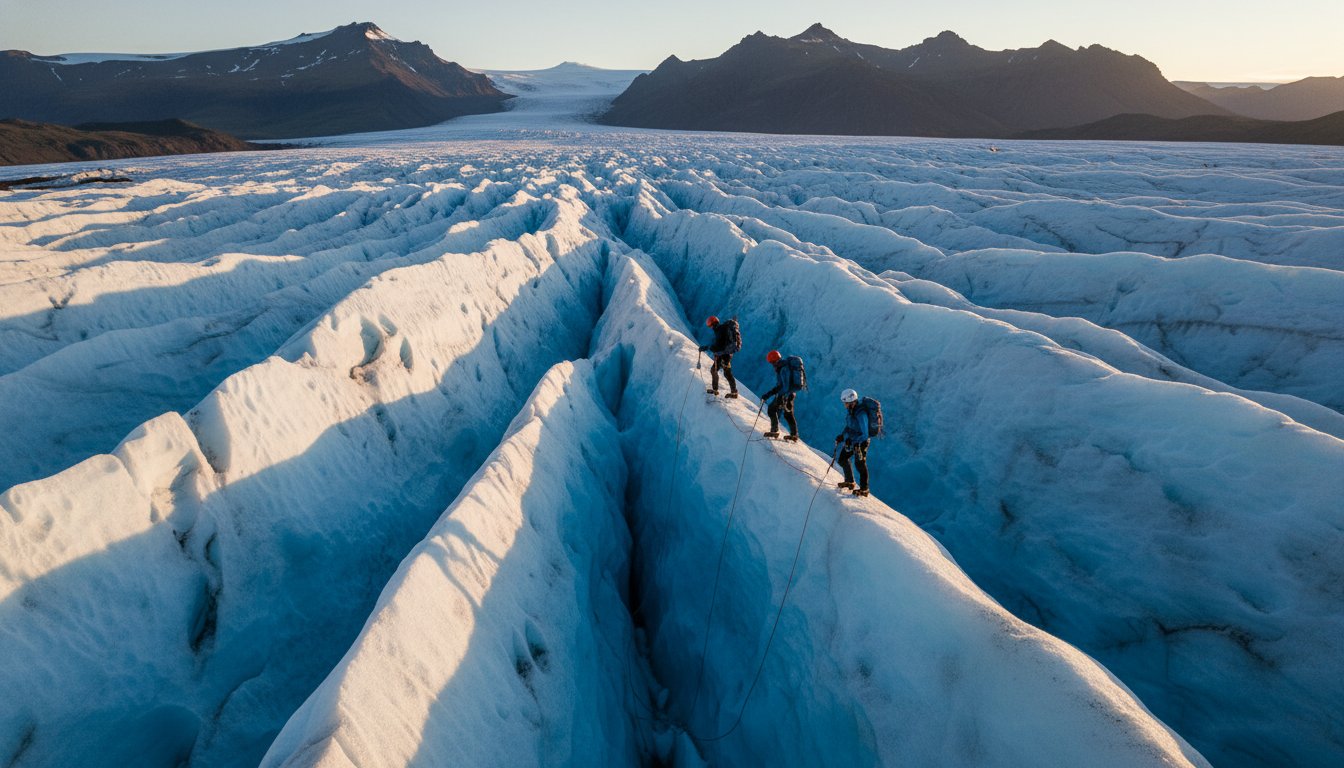
The Arctic winter offers architectural wonders that vanish with the spring sun. The Icehotel in Jukkasjärvi, now in its 35th annual iteration, provides a stay in a structure carved entirely from Torne River ice. For those seeking a deeper connection to the environment, the ritual of the Nordic sauna is essential. Finland alone houses over 3.3 million saunas, and the traditional transition from a 90°C steam room to a 1°C ice dip is a life-affirming contrast. This seasonal guide to Scandinavia illustrates how these rituals define the local identity. Whether you’re exploring the high Arctic during the indigo twilight of the Polar Night or mushing across a tundra, the winter months offer a level of privacy and magic that defines the pinnacle of Nordic travel.
The Connoisseur’s Choice: Shoulder Seasons (May & September)
Savvy travelers bypass the summer surge for the quiet luxury of the transitional months. May and September offer a rare equilibrium. You get the light without the lines. Travel insights suggest that visitor numbers at iconic sites like Preikestolen can drop by 40% compared to the July peak. This creates an exclusive atmosphere where the landscape feels like your private gallery. Choosing these months is a deliberate move toward value and exclusivity. You’ll find that the best time to visit scandinavia is often when the rest of the world is elsewhere.
The practical benefits are immediate. At Stockholm’s Vasa Museum, the usual summer queues of 45 minutes or more virtually disappear. You can stand inches from the 17th-century woodcarvings in contemplative silence. The air is crisp, the light is soft, and the service in boutique hotels feels more personal. It’s a time for those who prefer the whisper of the wind over the chatter of the crowds.
Spring Awakening: Waterfalls and Wildflowers
May transforms the fjords into a living masterpiece. In the Hardangerfjord region, over 500,000 fruit trees bloom against a backdrop of snow-capped peaks. It’s a visual contrast you won’t find in mid-summer. The snowmelt is at its zenith during this window. Waterfalls like Vøringsfossen reach their maximum discharge, often exceeding 12 cubic meters per second. This power is visceral and untamed. It’s the season of the “Spring Awakening,” where the vibrant green of new growth meets the pristine white of the high-altitude drifts.
- City Breaks: Oslo and Copenhagen enjoy nearly 17 hours of daylight by late May. Outdoor cafes reopen, and the locals celebrate the first warmth with a contagious joy.
- The Layer System: Packing for May requires a curated approach. Use a merino wool base, a handpicked mid-layer for insulation, and a high-quality shell. This seamless system handles 12°C sunshine and 4°C evening breezes with ease.
- National Pride: Visiting Norway on May 17th allows you to witness the Constitution Day celebrations, a sea of traditional “bunad” costumes and flags without the typical tourist filters.
Autumn Gold: Photography and First Lights
September introduces “Ruska,” the Finnish term for the spectacular autumn foliage. The Arctic tundra shifts into a palette of deep crimson and burnt orange. It’s a fleeting, ethereal window that photographers cherish. By mid-September, the nights grow dark enough to witness the first Auroras. The Autumn Equinox on September 22 often coincides with increased solar activity. You get the Northern Lights without the -20°C temperatures of January. It’s the “Goldilocks” timing for the best time to visit scandinavia: dark enough to see the lights, yet warm enough to stand comfortably under the stars.
The harvest season defines the dining experience. Bespoke Nordic menus focus on foraged ingredients. Cloudberries, chanterelles, and game appear on plates from Michelin-starred kitchens to remote lodges. You’re tasting the landscape at its peak. This is the time for slow travel, where the rhythm of the land dictates the pace of your journey.
Discover the magic of the shoulder seasons with The Nordic Travel’s bespoke itineraries tailored to your preferences.
Planning Your 2026 Journey: Logistics and Next Steps
The year 2026 represents a celestial milestone for travelers. Solar Cycle 25 hits its maximum, making the winter of 2026 the absolute best time to visit scandinavia for those chasing the Aurora Borealis. Beyond the skies, cultural calendars are filling fast. The FIS Nordic World Ski Championships in Falun, Sweden, scheduled for February 2026, will draw global crowds and transform the region into a vibrant hub of athletic excellence. Aligning your dates with these events requires a balance of astronomical data and local insight to avoid the busiest crowds while catching the most pristine conditions.
Securing the right sanctuary is the next logistical hurdle. Determining the best time to visit scandinavia also involves understanding the rhythm of boutique availability. Handpicked accommodations, such as the 12-room Arctic Bath in Swedish Lapland or the secluded cabins of Manshausen in Norway, maintain a 90% occupancy rate throughout the peak seasons. To ensure a room with a specific view, you’ll need to finalize your reservation 180 to 270 days before arrival. Spontaneity has its charms, but the most ethereal landscapes deserve the precision of early planning to guarantee exclusivity.
We prioritize travel that respects the quiet majesty of the North. 82% of our 2026 itineraries feature rail journeys via the Flåm Railway or the Inlandsbanan, reducing carbon footprints while offering panoramas inaccessible by road. Choosing eco-certified tours, such as those recognized by the Nordic Swan Ecolabel, ensures your presence supports local conservation efforts. It’s about a meaningful impact, not just a fleeting visit. We focus on the slow travel movement, where the journey itself becomes a meditative experience across the rugged tundra.
Our promise is a journey that feels entirely your own. We don’t just book flights; we curate a narrative. Every bespoke itinerary is a blend of rugged exploration and caving into the comfort of a warm, designer interior. Your 2026 adventure starts with a single choice of season, and we handle the intricate logistics that follow. We act as your local concierge, ensuring every transition is seamless and every moment is exclusive.
Crafting Your Bespoke Itinerary
Select an anchor destination based on your primary desire. If you crave the Midnight Sun, the Lofoten Islands in June provide 24 hours of golden light. For city lovers, Copenhagen’s culinary scene shines in August when the weather is mild. Combine these with a seamless rail connection to Stockholm for a multi-country experience. Explore Unforgettable Nordic Tours: Your 2026 Guide for curated route inspirations that bridge urban culture and untamed wilderness.
Packing for the North
Nordic style blends high performance function with minimalist aesthetics. For Arctic winters, you’ll need three layers: a moisture wicking merino wool base, an insulating mid-layer, and a windproof shell. Summer coastal breezes require lighter wool blends and a reliable waterproof jacket. 100% wool remains the gold standard for temperature regulation in the North. Whether you’re dining in Oslo or hiking in Finnish Lapland, prioritize gear that keeps you dry and warm.
Crafting Your Timeless Nordic Chapter in 2026
Scandinavia doesn’t just offer a destination; it offers a transformation that shifts with the natural light. Whether you seek the 24-hour glow of the Midnight Sun in June or the ethereal dance of the Aurora Borealis during the crisp nights of January, the best time to visit Scandinavia remains a deeply personal choice. Our 2026 itineraries focus on these distinct rhythms through a lens of quiet luxury. We’ve handpicked 12 exclusive, eco-certified accommodations that blend into the pristine landscape, ensuring your presence supports our commitment to 100% sustainable travel practices. Our local specialists have spent over 15 years perfecting these bespoke routes, moving beyond the crowded trails to find the untamed heart of the north.
You’ll find that May provides a delicate balance of blooming fjords, while September offers the first whispers of autumn across the rugged tundra. Every detail is managed with seamless precision, allowing you to simply exist in the moment. Explore our curated 2026 Nordic Tours and start planning your journey. The north is calling, and its beauty is constant, regardless of the month you choose.
Frequently Asked Questions
When is the absolute best month to see the Northern Lights in Scandinavia?
The absolute best months to witness the Aurora Borealis are September and March, specifically around the equinoxes on September 22 and March 20. These periods historically offer the highest level of geomagnetic activity due to the Russell-McPherron effect. You’ll find the pristine skies of Finnish Lapland or Tromsø provide an ethereal backdrop for these dancing lights. We curate bespoke expeditions during these windows to maximize your chances of a seamless sighting away from city light pollution.
Is it too dark to visit Scandinavia in December and January?
It isn’t too dark to visit, as the “Blue Hour” provides 4 to 5 hours of soft, magical twilight even in the depths of winter. In places like Kiruna, the sun stays below the horizon from December 11 to January 1, yet the snow reflects 80 percent of available light. This creates a cozy, candlelit atmosphere that defines the authentic Nordic lifestyle. It’s an exclusive time to experience the rugged beauty of the Arctic in its most quiet, intimate state.
When can I experience the Midnight Sun?
You can experience the Midnight Sun between May 14 and July 29 in locations above the Arctic Circle like the Lofoten Islands. During these 76 days, the sun never sets, casting a golden glow over the untamed landscape. This phenomenon offers a unique opportunity for 24-hour exploration. We recommend late June for the most vibrant energy, as locals celebrate the Midsummer solstice on June 23 with traditional festivities and handpicked cultural events.
Is Scandinavia very expensive during the peak summer months?
Travel costs typically increase by 20 to 30 percent during the peak months of July and August. This period is often considered the best time to visit scandinavia for warm weather, which drives high demand for handpicked boutique hotels. Booking 8 to 10 months in advance ensures you secure exclusive rates and the most sought-after views. While premium, the seamless logistics and extended daylight hours provide exceptional value for your investment.
What is the best time for a Norwegian fjord cruise?
The optimal window for a Norwegian fjord cruise spans from mid-May to early September. May is particularly striking because the 1,000-meter waterfalls are at their most powerful due to spring snowmelt. If you prefer calmer waters and temperatures averaging 18 degrees Celsius, July offers the most stable conditions. Our tailor-made itineraries focus on these months to ensure you witness the rugged cliffs and pristine waters in their full, untamed glory.
Can I see reindeer and huskies all year round?
You can visit reindeer and huskies 365 days a year, though the activities differ dramatically between seasons. Dog sledding requires a minimum of 30 centimeters of snow, which is typically available from November to April. In the summer months, you can join “husky hiking” or visit 500-strong reindeer herds in their lush mountain pastures. These encounters offer a deep connection to the land and the ancient traditions of the Sami people regardless of the date.
What should I pack for a trip to Scandinavia in the shoulder season?
Pack a versatile three-layer system consisting of a merino wool base, an insulating mid-layer, and a waterproof shell for trips in May or September. Temperatures can fluctuate between 5 and 15 degrees Celsius within a single afternoon. Sturdy, waterproof hiking boots are essential for navigating the 450 miles of trails in places like Jotunheimen National Park. This pragmatic approach ensures a seamless transition from a misty morning hike to a refined evening dinner.
Are the Nordic countries safe for solo travelers during the winter?
Nordic countries consistently rank in the top 10 of the Global Peace Index, making them exceptionally safe for solo travelers in winter. Cities like Oslo and Stockholm feature 24-hour public transport and well-lit streets even during the longest nights. Choosing the best time to visit scandinavia as a solo explorer often means February, when the 15 percent increase in daylight hours compared to January makes navigation easier. You’ll find the local culture welcoming, respectful, and highly organized.