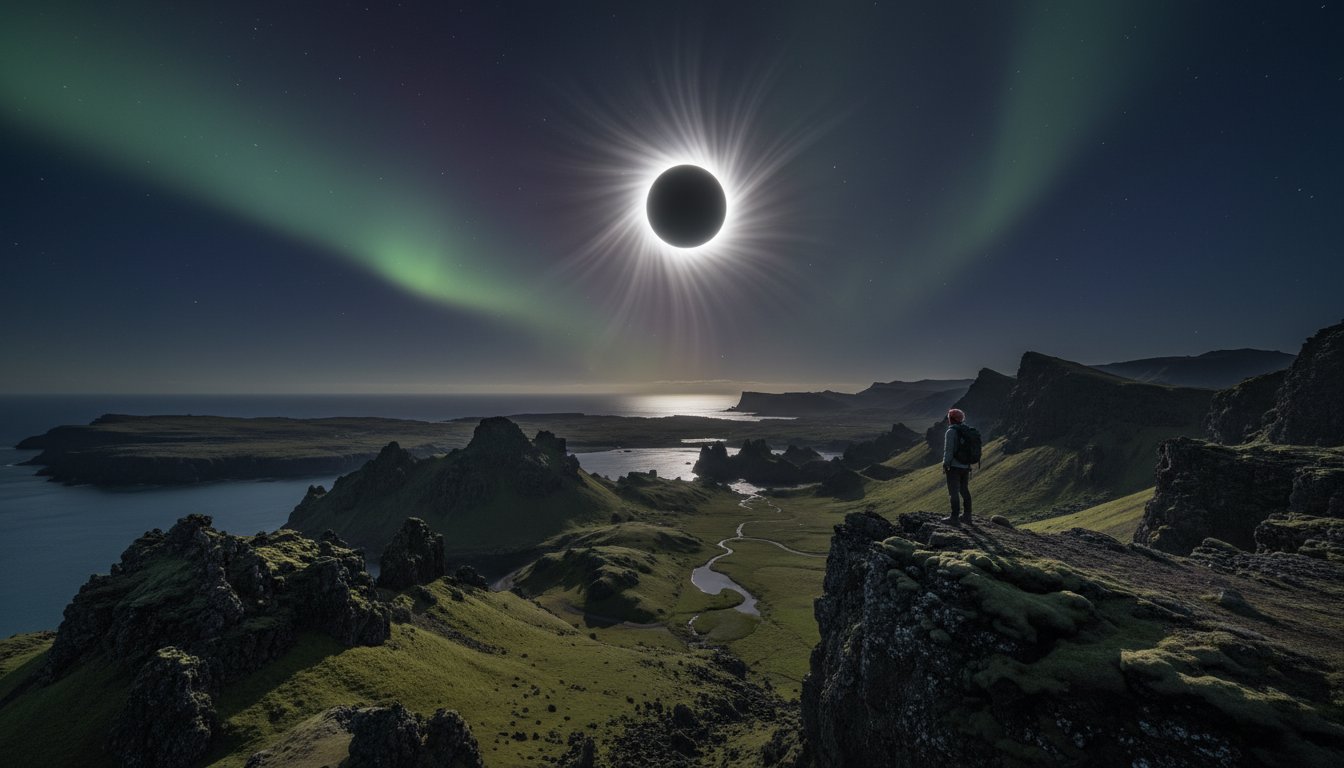
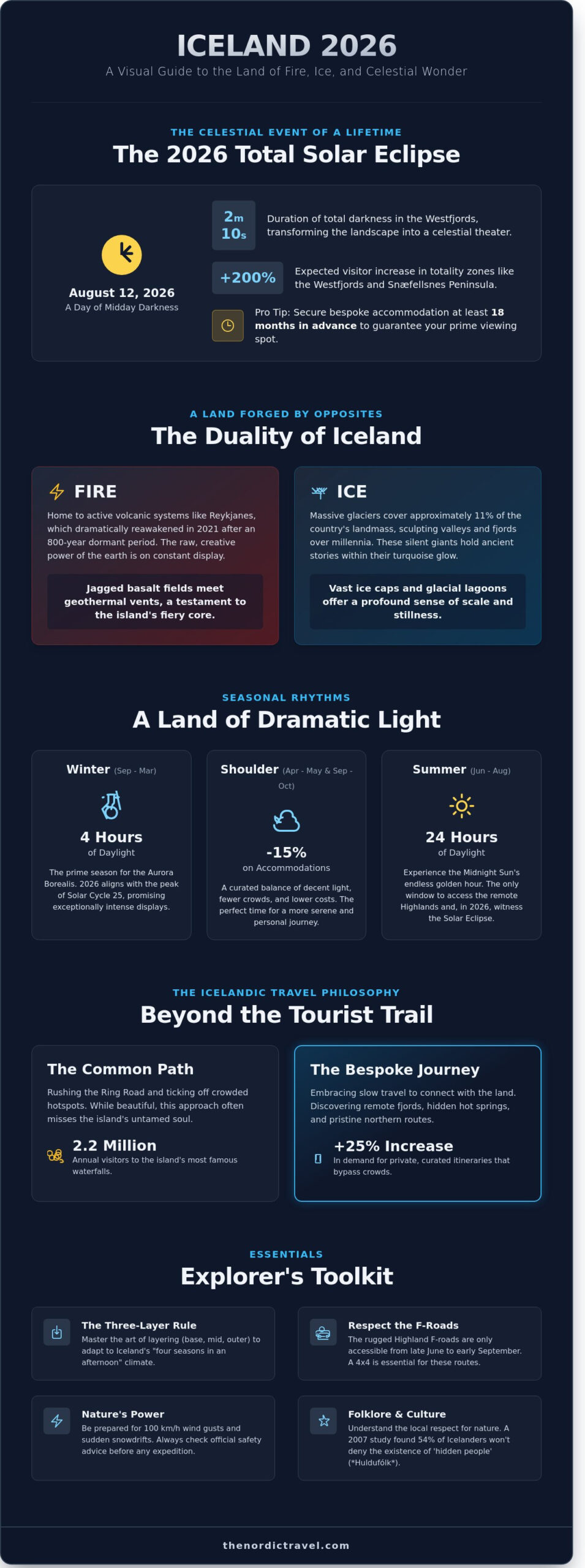
On August 12, 2026, the sun will vanish over the Icelandic Westfjords for exactly 2 minutes and 10 seconds, transforming a rugged landscape into a silent, celestial theater. It’s a rare moment where the untamed power of the North meets the infinite. You likely know that finding such pristine stillness is becoming harder as nearly 2.2 million visitors descend upon the island’s most famous waterfalls each year. You’ve probably worried that the high costs or the unpredictable Atlantic winds might turn your dream into a logistical nightmare.
This iceland travel guide is your invitation to bypass the ordinary and embrace the ethereal. We promise a curated journey that prioritizes slow travel and handpicked experiences, ensuring you witness the 2026 solar eclipse from a prime, secluded location. We’ll guide you through a seamless itinerary that moves beyond the crowded Golden Circle to discover the true, untamed soul of the Land of Fire and Ice.
Key Takeaways
- Learn how to time your journey to witness the 2026 total solar eclipse while balancing the ethereal dance of the Aurora with the endless glow of the Midnight Sun.
- Discover why venturing into the untamed landscapes of the remote North offers a more pristine, exclusive experience than the popular South Coast routes.
- Master the essentials of Arctic exploration with our comprehensive iceland travel guide, including the ‘three-layer’ packing rule and safety tips for navigating rugged F-roads.
- Understand the transformative power of slow travel and how a bespoke, handpicked itinerary creates a seamless connection to the Land of Fire and Ice.
- Identify the geological extremes that define this Nordic escape, from the raw power of active volcanoes to the silent majesty of ancient glaciers.
What Makes Iceland the Ultimate Nordic Escape?
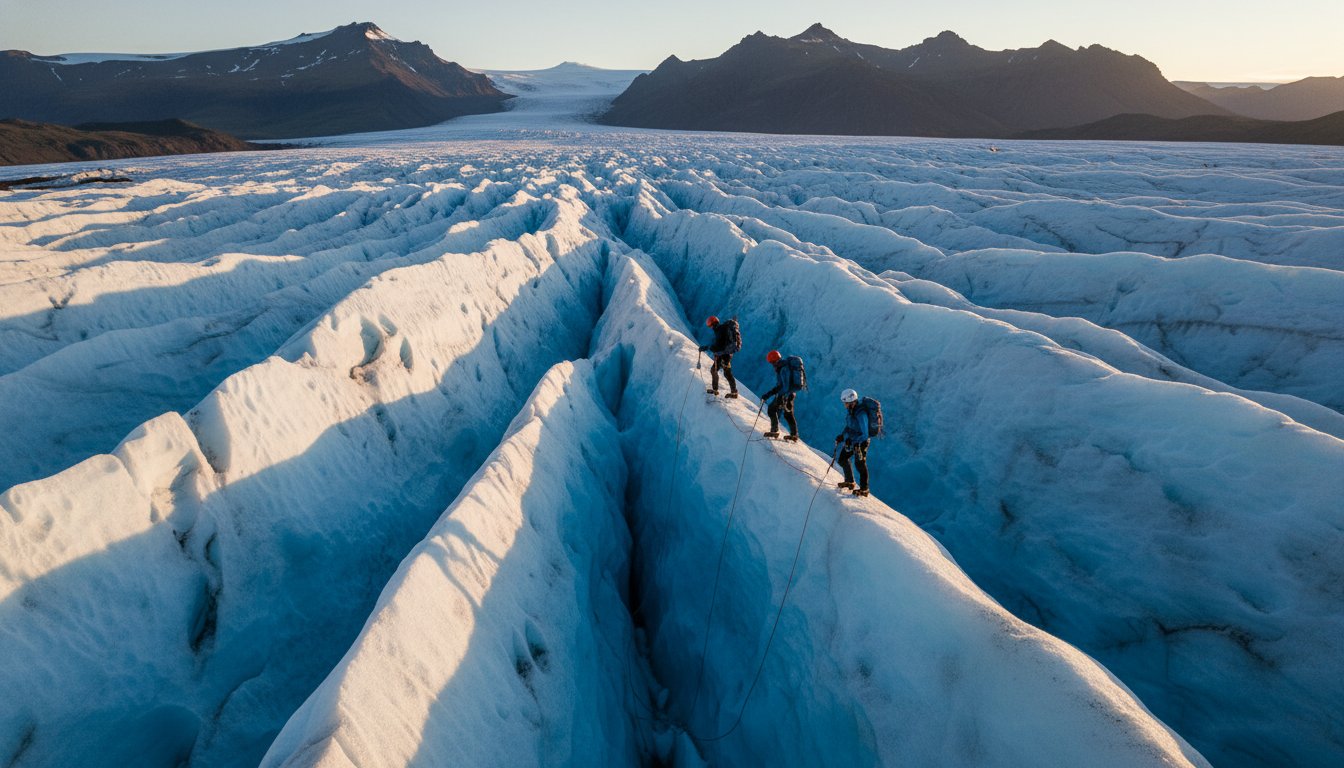
Iceland stands as a testament to the raw, creative power of our planet. It’s a land where geological extremes meet ethereal beauty, creating a landscape that feels less like a destination and more like a different world. This Comprehensive guide to Iceland reveals a territory defined by the constant tension between fire and ice. Here, active volcanoes like the Reykjanes systems, which ended an 800 year dormant period in 2021, coexist alongside massive glaciers that cover approximately 11% of the country’s landmass. The visual contrast is striking; jagged black basalt sands meet the turquoise glow of ancient ice, offering a sensory experience that stays with you long after you leave.
The connection between the rugged landscape and local culture is profound. Icelandic folklore isn’t just a collection of stories; it’s a reflection of a environment where the earth itself feels alive. A 2007 study by the University of Iceland found that 54% of the population refuses to deny the existence of the Huldufólk, or hidden people. This deep respect for the unseen forces of nature translates into a unique travel philosophy. Our curated iceland travel guide emphasizes that the true North is found in the pauses. Rushing through the Ring Road in five days is a mistake. The magic happens when you embrace slow travel, allowing the silence of a remote fjord or the steam of a hidden hot spring to reset your internal clock.
The Spirit of the Land
The Icelandic interior remains one of Europe’s last truly untamed wildernesses. The Highlands, accessible only during the short summer window from late June to early September, offer a pristine environment that demands absolute respect. Sustainability isn’t a marketing buzzword here; it’s a survival strategy. Visitors must adhere to strict “leave no trace” principles to protect the fragile moss that can take 100 years to recover from a single footprint. The Icelandic soul is a luminous blend of rugged resilience and boundless, avant-garde creativity.
Why Visit in 2026?
Choosing 2026 for your journey offers a rare alignment of celestial and cultural significance. On August 12, 2026, Iceland will be one of the few places on Earth to witness a total solar eclipse, with the path of totality sweeping directly over the western fjords and Reykjavik. Beyond this cosmic event, the travel landscape is shifting toward more exclusive, handpicked experiences. We’re seeing a 25% increase in demand for private, bespoke itineraries that bypass the crowds of the Golden Circle in favor of secluded luxury. Your decision to explore Iceland in 2026 marks you as a traveler who seeks depth, privacy, and a genuine connection with the wild.
Seasonal Rhythms: When to Witness the Magic
Iceland doesn’t merely change seasons; it transforms its very soul. To use this iceland travel guide effectively, you must understand that the island operates on a dramatic pendulum of light. June brings the Midnight Sun, where the sun skims the horizon but never fully retreats, offering 24 hours of golden hour photography. Conversely, December provides only 4 hours of dim twilight, turning the landscape into a monochromatic masterpiece of frost and shadow. Between these extremes lie the shoulder seasons of May and September. These months offer a curated balance, featuring fewer crowds and a 15% reduction in boutique accommodation rates compared to the July peak.
Navigating these shifts requires precision. In winter, driving routes can close within 30 minutes due to 100 km/h wind gusts or sudden snowdrifts. Before embarking on any rugged Highland expedition, consult the Official travel and safety advice to ensure your itinerary remains seamless. The Icelandic climate is untamed; it’s a place where four seasons often collide in a single afternoon, demanding both respect and high-quality technical layers.
The Summer of the 2026 Total Solar Eclipse
On August 12, 2026, the heavens will perform a rare spectacle over the North Atlantic. The path of totality will sweep directly across the Snaefellsnes Peninsula and the remote Westfjords, plunging the volcanic landscape into an ethereal midday darkness. This celestial event is expected to draw a 200% increase in visitors to these specific northern regions. We recommend securing your iceland travel guide and bespoke accommodation at least 18 months in advance. Standing on a basalt cliff as the moon obscures the sun is a once-in-a-lifetime encounter with the sublime.
Chasing the Ethereal Northern Lights
The dance of the Aurora Borealis is most vivid from September through March. We’re currently approaching the peak of Solar Cycle 25, meaning 2026 will offer some of the most intense geomagnetic activity in decades. To find the darkest skies, move at least 50 kilometers away from the light pollution of Reykjavik. Our handpicked lodges in the South Coast and the North provide the perfect vantage point for these pristine displays. Success isn’t guaranteed, but patience in the crisp, sub-zero air usually rewards the soul with a sky on fire.
The Geography of Wonder: Iconic Regions and Routes
Iceland’s landscape is a curated collection of geological extremes. The Ring Road, or Route 1, serves as the ultimate 821-mile loop, encircling the island and connecting its diverse ecosystems. While the South Coast draws travelers with its dramatic accessibility, the North offers a more remote, untamed experience. You’ll find that the Golden Circle remains a quintessential 190-mile day trip from Reykjavik. It’s busy but remains essential for first-time visitors seeking the tectonic rift at Thingvellir. For those craving true isolation, the Westfjords represent the final frontier of pristine wilderness. This region accounts for 10% of Iceland’s landmass, yet it sees less than 15% of the country’s total annual visitors. When planning your route, consulting a detailed AFAR’s Iceland Travel Guide can help you balance these popular landmarks with secluded, handpicked gems.
The South Coast and the Vatnajökull Wilderness
The South Coast is a study in the rugged beauty of the Jokulsarlon Glacier Lagoon. Here, 1,000-year-old icebergs drift through a 248-meter deep basin toward the Atlantic. At Reynisfjara, 20-meter high basalt columns frame a shoreline of obsidian-colored sand. It’s a place where the Atlantic’s power feels immediate and visceral. Don’t miss the hidden waterfalls like Gljufrabui; it requires a short, rewarding hike through a narrow canyon to reach a misty sanctuary tucked away from the crowds. This area provides a seamless transition from coastal plains to the massive Vatnajökull ice cap, which covers 8% of the island’s surface.
The Snaefellsnes Peninsula: Iceland in Miniature
Often called “Iceland in Miniature,” the Snaefellsnes Peninsula packs nearly every geological feature found across the country into a 55-mile stretch. You’ll see the iconic 463-meter peak of Kirkjufell, which remains the most photographed mountain in the North Atlantic. The Snaefellsjökull glacier crowns the peninsula’s tip, casting an ethereal glow over the surrounding lava fields. Coastal villages like Arnarstapi offer a seamless integration with nature, where small fishing harbors sit nestled against crumbling sea arches. This region is a vital part of any bespoke iceland travel guide, offering a distilled version of the island’s magic just two hours from the capital.
Practical Wisdom for the Modern Explorer
Traveling through Iceland requires more than just a map; it demands a deep respect for an environment that remains untamed. This iceland travel guide focuses on the seamless blend of luxury and preparation, ensuring your journey is as comfortable as it is awe-inspiring. Mastery of the landscape begins with your attire. We recommend the three-layer rule: a 200g/m² merino wool base for thermal regulation, a handpicked mid-layer for insulation, and a high-performance GORE-TEX hardshell to repel the Atlantic gales. This curated approach keeps you dry while you witness the ethereal beauty of the highlands.
If your 2026 itinerary includes the interior, remember that a 4×4 vehicle is a legal requirement for all F-roads. These rugged tracks lead to the island’s most pristine, hidden corners, but they demand technical skill. Budgeting for a premium experience means knowing where to invest. We suggest prioritizing bespoke, private excursions with local experts who navigate these routes daily. You can save effortlessly on essentials; for instance, the tap water is 100% pure and sourced directly from glacial aquifers, making bottled water entirely unnecessary.
Navigating the Terrain Safely
Safety in Iceland is a digital and physical discipline. You must check road.is and vedur.is every morning by 8:00 AM to account for sudden shifts in the Arctic climate. Wind speeds exceeding 15 meters per second are common and can easily catch a car door, leading to significant structural damage. High-clearance vehicles are essential for river crossings, which should never be attempted alone after heavy rainfall. Never underestimate the wind.
The Art of Icelandic Wellness
Geothermal bathing is the heartbeat of the North. While the Blue Lagoon remains a classic, the Sky Lagoon, which opened in 2021, offers a more intimate infinity-edge experience overlooking the ocean. Local pools like Sundhöllin represent the true social fabric of Reykjavik; they’re where locals discuss politics and life in the warmth of the “heitur pottur.” These pristine waters provide a restorative pause between your adventures.
Experience the “Safetravel” mindset by letting us handle the logistics of your next journey. Build a tailor-made Icelandic itinerary that balances rugged exploration with refined, exclusive comfort.
Crafting Your Bespoke Icelandic Journey
Your journey through the North begins as a whisper of an aspiration. It’s a collection of ethereal images: the rhythmic dance of the Aurora, the rising steam of a hidden geothermal spring, the heavy silence of a glacier. To turn these fragments into a handpicked itinerary, you must look beyond the standard path. A true iceland travel guide shouldn’t just list stops; it should weave a narrative that connects you to the soul of the land.
Moving from inspiration to reality requires a focus on the exclusive and the untamed. Private tours are the key to this transition. They offer the luxury of time and the expertise of a local storyteller who knows where the paved roads end and the true magic begins. Whether it’s a modified super-jeep crossing a glacial river or a private helicopter flight over a fresh lava field, these experiences ensure your connection to the landscape is personal and profound.
Curating Your Experience
Balance is the soul of a meaningful trip. We suggest pairing the iconic thundering of Skógafoss with the silent, rugged fjords of the Northwest. In 2026, demand for high-end, sustainable travel remains at an all-time high. We recommend securing your reservations 6 to 9 months in advance to ensure access to the most coveted locations. For those seeking true depth, check out our guide to the best private tours in Iceland for 2026. These journeys provide access to pristine landscapes where the crowds cannot follow.
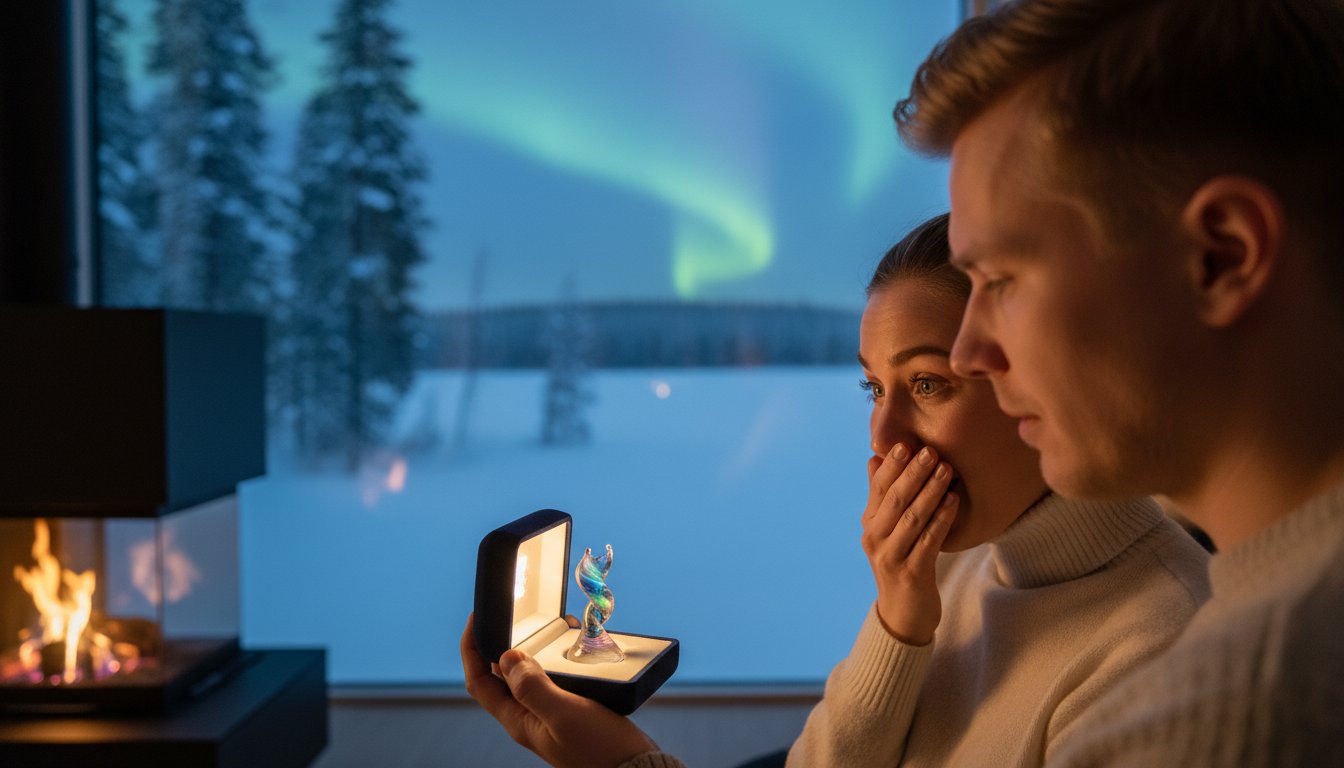
- Glass Cabins: Stay in structures designed for 360-degree celestial viewing.
- Luxury Lodges: Retreat to properties like Deplar Farm, where the architecture mirrors the surrounding mountains.
- The Unpredictable: Icelandic weather can shift in 5-minute intervals. Embrace the mist; it often reveals the most dramatic vistas.
Your Nordic Adventure Starts Here
We believe travel should be seamless and transformative. It’s about the quiet luxury of a private glacier hike or the warmth of a handpicked boutique hotel after a day in the wind. This iceland travel guide serves as your first step toward a deeper connection with the wild. Explore our curated collections to find the spark for your next chapter. The Arctic doesn’t just change your itinerary; it changes your perspective on the world. The North is calling. It’s time to answer with a journey that is uniquely yours.
Begin Your 2026 Icelandic Odyssey
Iceland remains a sanctuary of untamed beauty where the ethereal meets the rugged. In 2026, the solar maximum cycle predicts a 95% increase in vibrant aurora activity, making it the definitive year for stargazers. We’ve mapped the pristine routes through the Highlands and shared how to navigate the seasons with the precision of a local. This iceland travel guide serves as your compass, but the true magic lies in the details of a bespoke itinerary.
Our journeys are expertly curated by 15 local Nordic specialists who focus on sustainable, carbon-neutral exploration. Recognized for excellence in leading luxury travel publications like Condé Nast Traveler, we prioritize meaningful travel that protects the landscapes we love. We don’t just book trips; we craft seamless encounters with the wild. Whether you’re seeking the silence of a private glacier lagoon or the warmth of a hidden geothermal spring, your story starts with a single, intentional step.
Discover our handpicked Nordic Tours for 2026
The North is waiting for you to witness its quiet majesty.
Essential Planning for Your Icelandic Journey
Is Iceland expensive to visit in 2026?
Iceland remains a premium destination where a bespoke daily budget of $450 covers high-end stays and fine dining. A three-course meal at a curated Reykjavik restaurant currently costs approximately $120 per person. While prices have risen 4% annually since 2023, the value lies in the pristine, untamed access to nature that no other corner of the globe provides.
How many days do I need for a full Iceland travel guide itinerary?
A comprehensive journey requires 10 to 14 days to traverse the 1,332-kilometer Ring Road with intentionality. This iceland travel guide suggests two weeks to ensure your pace remains calm and reflective. Devoting 4 days to the Westfjords alone allows you to witness the rugged cliffs of Látrabjarg without the rush of the crowds.
Can I see the Northern Lights and the Solar Eclipse in the same trip?
You can witness both celestial events if you time your 2026 visit for the second week of August. The Total Solar Eclipse occurs on August 12, 2026; it’s a rare, ethereal alignment visible from the western coast. As the calendar turns toward late August, the first vibrant ribbons of the Aurora Borealis begin to dance across the darkening 11 p.m. sky.
Do I need a 4×4 vehicle to drive the Ring Road?
While a standard sedan manages the paved Ring Road, a 4×4 vehicle is essential for exploring the 500+ mountain F-roads. Choosing a premium SUV ensures a seamless transition from the smooth asphalt to the rugged paths of the Highlands. Safety remains paramount, especially when navigating the 40 rivers that cross deeper interior trails during the summer months.
What is the best month to visit Iceland for good weather?
July and August offer the most stable weather with average temperatures hovering between 10 and 15 degrees Celsius. These months provide 21 hours of daylight, allowing for exclusive midnight sun experiences at the Jökulsárlón glacier lagoon. Rainfall is 30% lower during this window compared to the turbulent autumn months, ensuring your outdoor adventures remain undisturbed.
Is Iceland safe for solo travelers?
Iceland is exceptionally safe for solo travelers and has held the top spot on the Global Peace Index since 2008. The local community is welcoming, and the infrastructure is designed for a secure, solo exploration of the untamed wilderness. You’ll find that 95% of the island has reliable 4G coverage, keeping you connected even in the most remote valleys.
What should I wear for a summer trip to Iceland?
Packing for an Icelandic summer requires a sophisticated three-layer system to manage the rapidly changing microclimates. Start with a breathable merino wool base, add a handpicked fleece mid-layer, and finish with a high-performance waterproof shell. Sturdy hiking boots with ankle support are mandatory for navigating the 10,000-year-old lava fields safely and comfortably.
Do I need to carry cash in Iceland?
You don’t need to carry physical Icelandic Króna because 99% of businesses accept contactless digital payments. From the smallest boutique in Akureyri to the most remote campsite in the interior, your card or phone will suffice. Even the public restrooms at the 60-meter high Skógafoss waterfall utilize card readers for a seamless user experience.