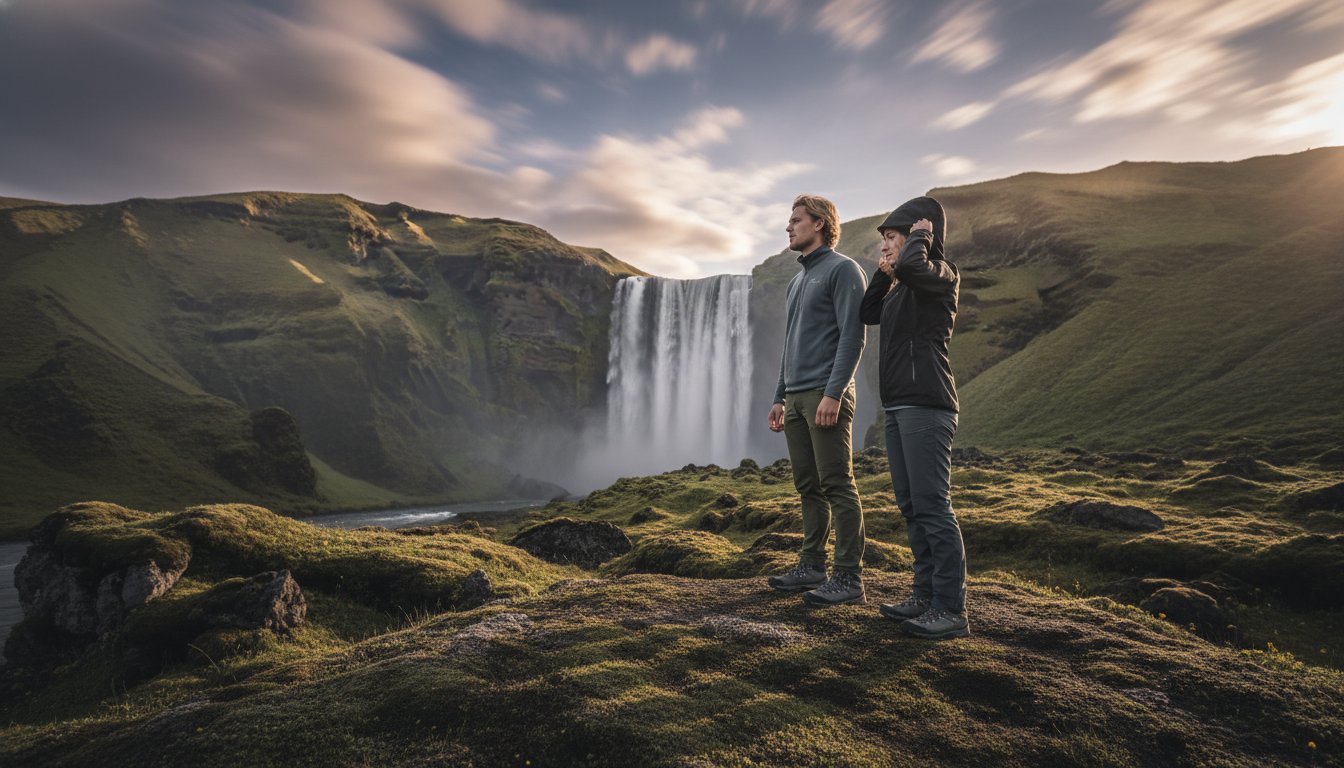
In the Icelandic Highlands, the difference between a transformative spiritual awakening and a shivering ordeal often rests in the 25 liters of gear on your back. Most travelers arriving in Reykjavik under the perpetual glow of the Midnight Sun feel an understandable urge to pack for every possible catastrophe. This weather anxiety leads 72% of first-time visitors to overpack, yet they still find themselves unprepared when a 12-degree Celsius afternoon shifts into a horizontal rainstorm in under six minutes. Understanding what to pack for iceland in summer is less about volume and more about the precision of your layers.
We agree that your focus should remain on the ethereal beauty of the landscape, not the dampness of your base layer. This curated guide promises to help you build a bespoke, capsule-style wardrobe that balances rugged utility with the sophisticated comfort of the Nordic lifestyle. We’ll preview the essential three-layer system for the 2026 season, the handpicked fabrics that handle the pristine dampness of the North, and the exclusive essentials required for life under an eternal sun.
Key Takeaways
- Learn how to navigate the subarctic “four seasons in one day” phenomenon by balancing protection against untamed elements with the unique requirements of the Midnight Sun.
- Master the architecture of Nordic layering using the gold standard of Merino wool to ensure a seamless transition between rugged exploration and sophisticated comfort.
- Understand why your choice of footwear dictates the boundaries of your journey and how to select boots that offer paramount grip on volatile volcanic terrains.
- Refine your curated carry-on with bespoke essentials for geothermal spas and Arctic skincare, ensuring you know exactly what to pack for iceland in summer to thrive under the high-latitude sun.
- Embrace a sustainable “Leave No Trace” ethos by selecting functional pieces that mirror the minimalist, ethereal elegance of authentic Nordic style.
The Icelandic Summer Paradox: Navigating Light and Untamed Elements
Icelandic summer is a masterclass in contradiction. You might wake to a sun-drenched valley only to find yourself shrouded in subarctic mist by noon. This environment demands a shift in perspective; true luxury in the North isn’t found in excess, but in the quiet confidence of being perfectly prepared. When considering what to pack for iceland in summer, your gear becomes the bridge between you and the untamed landscape. In 2026, travel trends have moved decisively away from disposable, fast-fashion outdoor wear. Discerning explorers now favor a bespoke capsule wardrobe that prioritizes technical excellence and timeless aesthetics. This “Nordic mindset” treats preparedness as a form of freedom, allowing you to remain present in the moment rather than retreating from the wind.
The Midnight Sun and Your Circadian Rhythm
The ethereal glow of the Midnight Sun is a transformative experience, yet it poses a unique challenge to your internal clock. The Midnight Sun reaches its peak on June 21, ensuring that the sun never fully sets below the horizon during the months of June and July. While the 24-hour daylight fuels your energy for late-night hikes at Skógafoss, it can disrupt your sleep patterns significantly. A high-quality, contoured sleep mask is the most underrated item on your list; it’s a small piece of equipment that ensures your rest is as deep as the fjords. Packing light, breathable layers is essential for managing energy, as the lack of darkness often masks the drop in temperature that occurs during the “golden hours” between midnight and 3:00 AM.
Subarctic Microclimates: The Five-Minute Weather Rule
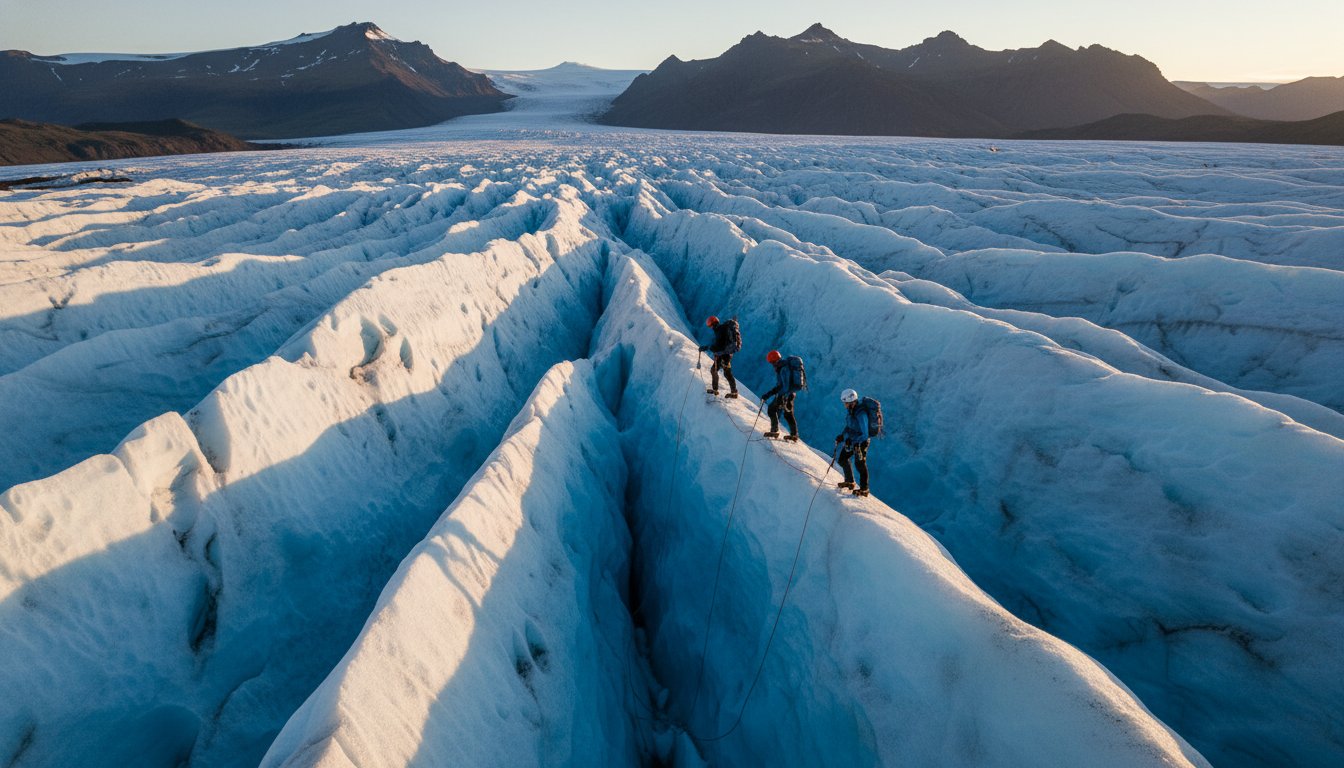
Iceland’s topography creates sudden, localized weather shifts that defy standard forecasts. You’ll encounter the “five-minute rule” frequently; if you don’t like the weather, simply wait five minutes for it to change. Coastal breezes in Reykjavik might feel mild, but the Highland winds can gust at over 40 knots without warning. Understanding what to pack for iceland in summer requires a distinction between water-resistant and truly waterproof materials. Horizontal rain, driven by North Atlantic gale forces, will penetrate standard softshells. For 2026, we recommend outer layers with a minimum 20,000mm waterproof rating. This level of protection ensures you stay dry while exploring pristine glaciers or standing near the spray of Dettifoss, the most powerful waterfall in Europe.
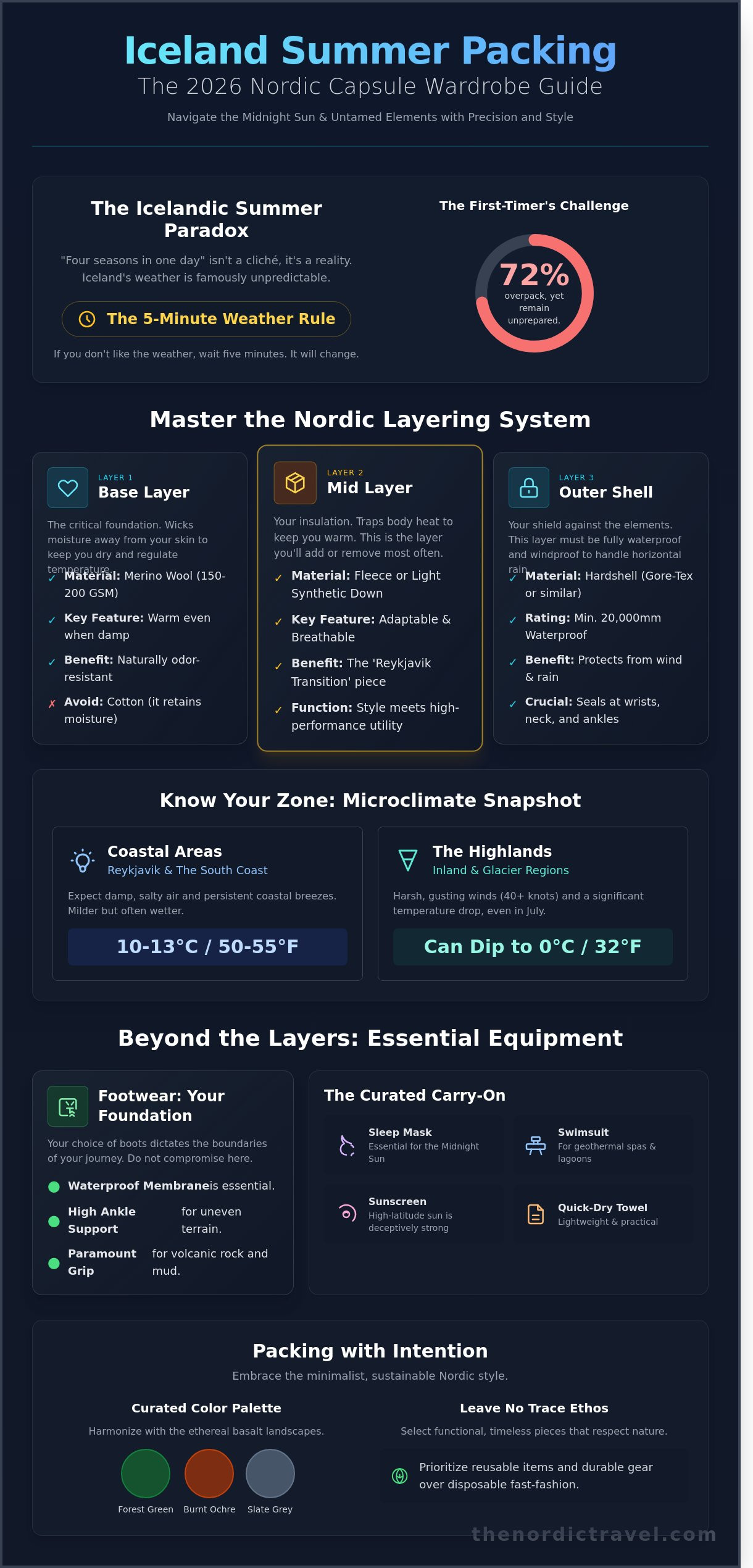
- Coastal areas: Expect damp, salty air and temperatures averaging 10-13°C (50-55°F).
- The Highlands: Prepare for harsher winds and temperatures that can dip toward 0°C (32°F) even in July.
- The “Horizontal” Factor: Rain in Iceland rarely falls straight down; your gear must seal at the wrists, neck, and ankles.
The Architecture of Layering: A Masterclass in Nordic Comfort
Iceland’s summer climate is a restless symphony of shifts. You might find yourself bathed in the golden glow of the midnight sun at 2:00 AM, only to face a biting Atlantic mist three hours later. Mastering what to pack for iceland in summer requires a strategic approach to layering that balances technical performance with the quiet elegance of the North. We view your wardrobe as mobile architecture. You need a foundation that breathes, a core that insulates, and a shell that protects against the untamed elements.
The aesthetic of your gear matters as much as its function. To create a visual narrative that resonates with the 90% basalt landscapes of the South Coast, we recommend a curated color palette. Deep forest greens, burnt ochre, and slate greys harmonize with the mossy lava fields, ensuring your presence in the landscape feels intentional. This thoughtful selection allows for the “Reykjavik Transition,” where a high-performance mid-layer looks just as sophisticated in a refined urban bistro as it does on a windswept cliffside. For those seeking a truly bespoke Icelandic experience, your attire should reflect the seamless blend of rugged exploration and understated luxury.
The Base Layer: Ethereal Softness Meets Technical Utility
Your base layer is the most critical component of the system. For the Icelandic summer, a weight of 150 to 200 GSM (grams per square meter) is the gold standard. Merino wool is our primary recommendation for 2026 because it remains warm even when damp and possesses natural odor-resistant properties that are vital for multi-day adventures. Avoid cotton entirely. Cotton traps moisture against your skin, which can lead to a 25% faster rate of heat loss through wind-chill, significantly increasing the risk of hypothermia in sub-10 degree Celsius conditions.
The Insulation and Shell: Your Shield Against the Untamed
Choosing between down and synthetic insulation depends on your itinerary. While down offers a superior warmth-to-weight ratio, Iceland’s average humidity levels of 75% to 85% often make synthetic alternatives like PrimaLoft more reliable. Synthetic fibers retain their loft and insulating properties even when saturated by the spray of Skógafoss.
Your outer shell is the final barrier. When selecting a waterproof jacket for 2026, look for these non-negotiable features:
- PFC-free membranes: Opt for the latest sustainable GORE-TEX ePE or similar high-breathability alternatives.
- Three-point adjustable hoods: Essential for keeping the hood secure against 40 km/h gusts.
- Fully taped seams: A requirement to ensure zero water ingress during heavy horizontal rain.
- Pit zips: Critical for mechanical venting during steep ascents like the trail to Hvannadalshnúkur.
The goal is a silhouette that feels light yet impenetrable. By focusing on these technical specifications, you ensure that the environment remains a source of wonder rather than a source of discomfort.
Footwear and Equipment for Rugged Volcanic Terrains
Iceland’s terrain is a visceral masterpiece of jagged basalt and shifting scree. Your footwear isn’t just a gear choice; it’s the boundary between a distant view and an intimate encounter with the earth’s raw power. When deciding what to pack for iceland in summer, understand that volcanic rock is unforgiving. It’s porous, sharp, and often unstable. A boot with a deep-lugged sole provides the necessary bite on wet moss and loose gravel. High-cut ankle support is non-negotiable for those navigating the untamed lava fields of Dimmuborgir. While heavy boots might seem like a burden for airline weight limits, wearing them on the plane is a seasoned traveler’s secret for a lighter suitcase. For broader logistics beyond your gear, you can master Scandinavia trip planning to ensure your journey is as seamless as it is spectacular.
The Foundation: Selecting the Right Hiking Boots
A bespoke Icelandic journey demands a boot that feels like a second skin. You must break in your footwear at least four to six weeks before your arrival. Blisters are a pedestrian tragedy that can be avoided by logging 25 to 30 miles in your boots on varied terrain at home. The mist from Skógafoss is relentless; therefore, a high-quality waterproof membrane is essential for dry feet. Pair your boots with handpicked merino wool blends. These socks regulate temperature and wick moisture, preventing the friction that leads to painful hotspots during a 12-mile trek on the Laugavegur trail.
Technical Gear for the Modern Explorer
A 20 to 30L daypack serves as your curated mobile basecamp. It’s the ideal size to hold your layers and camera gear without becoming cumbersome. Look for a model with an integrated rain cover to protect your belongings from sudden Atlantic squalls. Hydration is a simple luxury here. Icelandic tap water is 100% pristine and sourced from glacial aquifers. Don’t waste $4 or $5 on bottled water at local shops; instead, carry a durable, reusable bottle to fill at any tap for free. Trekking poles are often debated, yet they become essential aids on the 20% inclines of the Highlands. They reduce impact on your joints by up to 25%, allowing you to focus on the ethereal beauty of the rhyolite mountains rather than the strain of the climb.
The Curated Carry-On: Beyond the Basics
When refining your selection of essentials for the North, the carry-on becomes a sanctuary for your most delicate gear. It’s the bridge between the rugged exterior of the island and the refined comfort of your journey. Beyond the heavy knits and waterproof shells, these smaller, handpicked items dictate the quality of your daily experience. As you decide what to pack for iceland in summer, remember that the ethereal beauty of the landscape requires a specialized kit to protect both you and the environment you’ve come to admire. This curated approach ensures that every moment, from a soak in a hidden canyon to a hike along the Westfjords, remains seamless and inspired. For more inspiration on planning your journey, consult our Iceland travel guide which explores the deeper rhythms of the island.
Skincare and Protection in the Pristine North
The Arctic sun is a master of deception. While temperatures in July 2026 hover around 11°C, the high-latitude UV rays remain potent during the 20 hours of daylight. Apply a mineral-based SPF 30 daily to guard against the constant exposure. The wind, often reaching speeds of 15 meters per second on the southern coast, can cause rapid dehydration. Pack a rich, lipid-replenishing cream to prevent windburn; it’s a vital layer of defense. Prioritize your hair’s health before entering geothermal waters like the Blue Lagoon. The mineral-rich silica creates a stiff, straw-like texture that can last for days. Apply a generous amount of leave-in conditioner before you soak and do not rinse it out. It creates a protective barrier against the alkaline minerals. Always choose biodegradable, eco-friendly toiletries. These protect the fragile volcanic filters and mosses that define the Icelandic ecosystem.
Capturing the Ethereal: Tech and Photography Gear
Remote exploration in the Westfjords requires a modern approach to connectivity. By 2026, 5G coverage extends to 92% of the Ring Road, yet the deep fjords still offer pockets of meditative silence. Carry a high-capacity 20,000mAh power bank to ensure your devices remain charged through long days of navigation. Even in summer, the ambient 8°C air in the highlands can reduce lithium-ion battery efficiency by 20%. Waterfall mist is the silent enemy of high-end electronics. Pack a stash of microfiber lens wipes and a dedicated dry bag for your camera body. Seljalandsfoss and Skógafoss produce enough spray to drench a lens in seconds. Respect the 2026 drone regulations. New restrictions now protect the quietude of 85% of designated nesting cliffs. If you plan to fly, ensure you have the updated digital flight permit required for the Vatnajökull region.
Refining these small details ensures your journey remains focused on the landscape rather than logistics. Every item in your bag should serve the purpose of immersion. For a truly seamless experience, explore our bespoke Iceland travel itineraries designed for the discerning traveler.
Packing with Intention: Sustainability and Nordic Style
Sustainability is a silent promise. It’s the commitment to preserving the pristine, untamed beauty of the Highlands for the generations that follow. When refining your list of what to pack for iceland in summer, consider the weight of each choice. The volcanic soil and fragile moss can take 100 years to recover from a single misplaced step; your gear should reflect that same respect for the environment. High quality, handpicked pieces reduce the need for fast fashion replacements, favoring items that last a lifetime. Mastering what to pack for iceland in summer means embracing the ‘less but better’ philosophy, ensuring you’re prepared for the rugged terrain without over-encumbering your journey.
The Sustainable Traveler’s Kit
Renting gear in Reykjavik can reduce a traveler’s carbon footprint by approximately 25 percent compared to purchasing new, single use items. Local services like Iceland Cover offer high performance outer layers, allowing you to access professional grade protection without the heavy transit emissions. If you choose to buy, prioritize brands with B-Corp certification or those using 100 percent recycled materials. Your kit should include:
- Reusable Essentials: Beeswax wraps for trail snacks, bamboo cutlery sets, and leak proof silicone bags.
- Circular Brands: Seek out labels with transparent supply chains and lifetime repair guarantees.
- Water Filtration: A high quality reusable bottle to tap into Iceland’s pristine glacial water, which is among the purest on Earth.
Reykjavik Chic: The Evening Transition
The transition from the mist of Skógafoss to the refined atmosphere of Reykjavik requires a subtle shift in style. Nordic fashion is defined by functional minimalism. You don’t need a suitcase full of formal wear. A single, well tailored outfit in neutral tones works perfectly for a night at Michelin-starred establishments like Dill or ÓX. Focus on accessories; a handpicked wool scarf or a sleek beanie provides both warmth and a touch of local character. To discover curated collections that embody this high-quality aesthetic, you can learn more about Rags Fashion. This intentional approach ensures you remain comfortable while respecting the sophisticated aesthetic of the capital. As you finalize your preparations for a bespoke Nordic tour, remember that the best travel kit is one that balances the rugged demands of the wild with the quiet luxury of the North.
Stepping Into the Midnight Sun
Your journey to the ethereal North begins long before you touch down at Keflavík Airport. Mastering what to pack for iceland in summer means embracing the 3-layer Nordic principle: a moisture-wicking base, an insulating mid-layer, and a 10,000mm waterproof outer shell. This technical precision ensures you remain comfortable whether you’re standing behind the 60-meter roar of Seljalandsfoss or trekking across the 8,000-year-old lava fields of Dimmuborgir. Proper footwear with deep-lugged soles is your most vital tool for navigating these rugged volcanic terrains safely and sustainably.
At The Nordic Travel, our specialists have spent over 14 years perfecting the art of the Icelandic expedition. We focus on sustainable, low-impact travel that preserves the pristine beauty of the Highlands for future generations. By choosing a curated 2026 itinerary, you’re opting for a seamless experience where every detail is handpicked for its meaningful connection to the land. Our team handles the complex logistics of the North so you can focus on the child-like wonder of the untamed landscape.
Ready to experience the quiet luxury of the wild? Discover our curated 2026 Iceland tours and start your journey. The ethereal beauty of the North is waiting for you.
Frequently Asked Questions
Do I really need a winter coat in Iceland during the summer?
You don’t need a heavy arctic parka, but a high-performance waterproof shell is non-negotiable. Summer temperatures in Reykjavik hover between 10 and 15 degrees Celsius. However, the untamed winds can drop the perceived temperature by 5 degrees in seconds. Focus on a curated layering system that protects you from the ethereal mist of Skógafoss while remaining breathable during a brisk hike through the Highlands.
What kind of shoes are best for walking on lava fields?
Sturdy hiking boots with deep rubber lugs and waterproof membranes are the only choice for the rugged lava fields. These ancient volcanic landscapes feature sharp, jagged edges that can easily shred thin soles. Look for boots with a 2 centimeter tread depth to ensure a seamless grip on the moss-covered basalt. Your footwear provides the foundation for an exclusive journey through Iceland’s most pristine, untamed terrains.
Is it necessary to bring a swimsuit to Iceland?
You absolutely must bring a swimsuit to enjoy the 170 geothermal pools scattered across the island. When considering what to pack for iceland in summer, this small item unlocks the most authentic part of the local culture. Whether you’re visiting a bespoke luxury spa or a hidden hot spring in the Westfjords, the water stays a constant 38 to 40 degrees Celsius. It’s a sensory experience that defines the Nordic lifestyle.
How do I sleep in Iceland with 24 hours of daylight?
A premium, contoured eye mask is the secret to restorative sleep during the Midnight Sun. In June, the sun remains above the horizon for 21 hours, creating a perpetual golden hour that’s beautiful but disruptive to your rhythm. Most high-end hotels provide blackout curtains, but a personal mask ensures a seamless transition to rest. This small addition to your curated kit preserves your energy for tomorrow’s ethereal adventures.
Can I wear jeans while hiking in Iceland?
Avoid wearing jeans for any outdoor activity because denim becomes heavy and cold when wet. Cotton fibers absorb 25 times their weight in water and take hours to dry in the humid Icelandic air. Choose quick-drying synthetic or merino wool trousers instead. These technical fabrics offer the flexibility needed for a tailor-made trek through the rugged interior, keeping you safe and comfortable in unpredictable weather.
What should I pack for a visit to the Blue Lagoon?
Pack a swimsuit and a waterproof case for your phone to capture the milky blue waters. While the lagoon provides towels and premium skincare, your own flip-flops can make the transition from the changing rooms more comfortable. Remember to apply the provided conditioner before entering the water. The high silica content can make hair feel stiff for 2 or 3 days if you don’t take this simple precaution.
Is the water in Iceland safe to drink from the tap?
Iceland’s tap water is exceptionally safe and tastes better than most bottled brands. Roughly 95 percent of the country’s drinking water originates from pristine underground springs that have been filtered through lava rock for decades. Bring a reusable bottle to fill at any tap or even at clear mountain streams. It’s a sustainable way to enjoy the untamed purity of the North while reducing plastic waste on your journey.
How many layers should I wear for a typical summer day in Iceland?
A three-layer system is the most effective way to manage the shifting conditions of a typical summer day. Start with a merino wool base layer to regulate body temperature, add a fleece or wool sweater for insulation, and finish with a waterproof shell. This strategy is essential when deciding what to pack for iceland in summer as temperatures can fluctuate by 10 degrees in a single afternoon. It ensures a bespoke level of comfort.