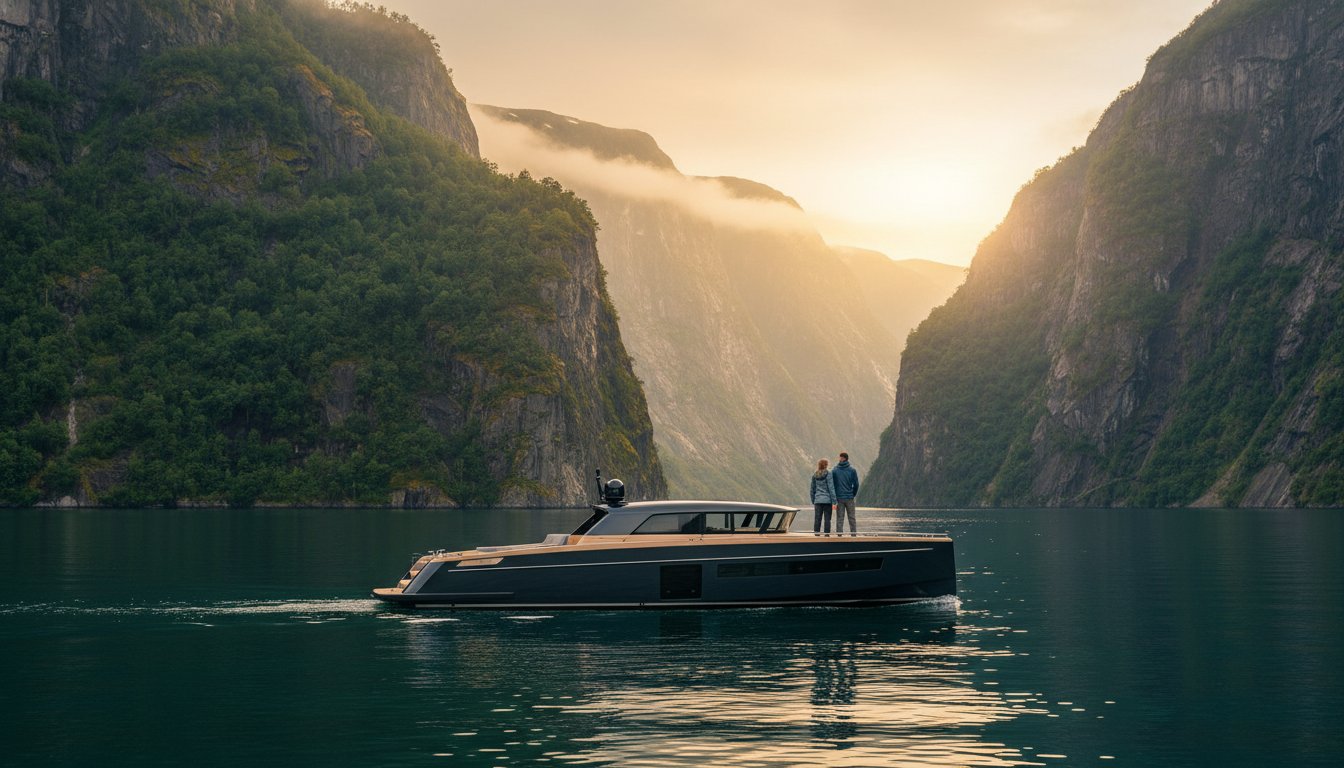
The most profound silence in the North isn’t found on a crowded observation deck; it’s discovered in the spray of a hidden waterfall that only a private zodiac can reach. You’ve likely spent hours scrolling through endless travel forums, feeling more overwhelmed by the logistics of 2026 than inspired by the destination itself. It’s a common frustration to crave the untamed beauty of the Arctic while fearing the “tourist trap” reality of major ports. This norway fjords guide provides a bespoke roadmap for your next expedition, focusing on the quiet luxury of sustainable, intentional travel.
We’ve curated this journey to ensure your experience remains exclusive and ethereal. You’ll discover how to navigate the 2026 zero-emission mandates for World Heritage fjords, allowing you to witness these pristine landscapes in near-total silence. We’re moving beyond the standard brochures to preview a handpicked selection of rugged escapes and seamless logistics. From private electric yachts to boutique stays tucked into the mountainside, this guide prepares you for a journey that’s as refined as it is wild.
Key Takeaways
- Discover why 2026 represents a pivotal shift toward zero-emission “slow travel” and quiet luxury within the untamed Norwegian wilderness.
- Explore a handpicked selection of the most ethereal fjords, curated by their unique atmosphere to help you choose between dramatic heights and serene silence.
- Learn to embrace the Nordic way of life through immersive experiences and authentic “Fjord Gastronomy,” featuring rare artisanal flavors.
- Plan a seamless journey using this comprehensive norway fjords guide to navigate new environmental regulations and identify the best shoulder seasons for pristine light.
- Unlock a bespoke 7-day itinerary from Bergen to Ålesund, designed to provide an exclusive and deeply personal connection to the heart of the North.
The Ethereal Allure of the Norwegian Fjords
The Norwegian fjords represent more than a mere intersection of land and sea; they are a cultural and geological masterpiece that defines the soul of the North. For those seeking a definitive norway fjords guide, the journey begins with an understanding of Friluftsliv. This “open-air living” philosophy isn’t just a pastime for Norwegians. It’s a fundamental connection to the rugged, untamed wilderness that surrounds them. In a world increasingly cluttered by digital noise, the fjords offer a rare, pristine sanctuary where the only notifications are the calls of sea eagles and the rhythmic pulse of cascading waterfalls.
Beyond the physical beauty, these landscapes represent a sanctuary for the modern soul. There’s a profound sense of peace found in the deep, still waters of the north. This isn’t just tourism; it’s a curated return to what matters. The scale of the mountains and the depth of the water remind us of our place in the natural world, offering a perspective that’s both humbling and deeply inspiring. It’s a place where time seems to stretch, allowing for a bespoke experience that prioritizes depth over speed.
What Makes a Norwegian Fjord Unique?
The story of these landscapes began over 10,000 years ago. Massive glaciers, some several kilometers thick, carved deep gashes into the earth’s crust during successive ice ages. This ancient geological formation of fjords resulted in narrow inlets where deep, emerald waters are hemmed in by vertical granite walls rising over 1,000 meters toward the sky. It’s a landscape of dramatic contrasts. You’ll find delicate orchards clinging to steep slopes and snow-capped peaks mirrored in still, salt-water basins.
This unique geography creates a world unlike any other. The West Norwegian Fjords, specifically the Geirangerfjord and Nærøyfjord, earned UNESCO World Heritage status in 2005 for their exceptional natural beauty. They remain among the most visually spectacular landscapes on the planet. Consider these defining characteristics:
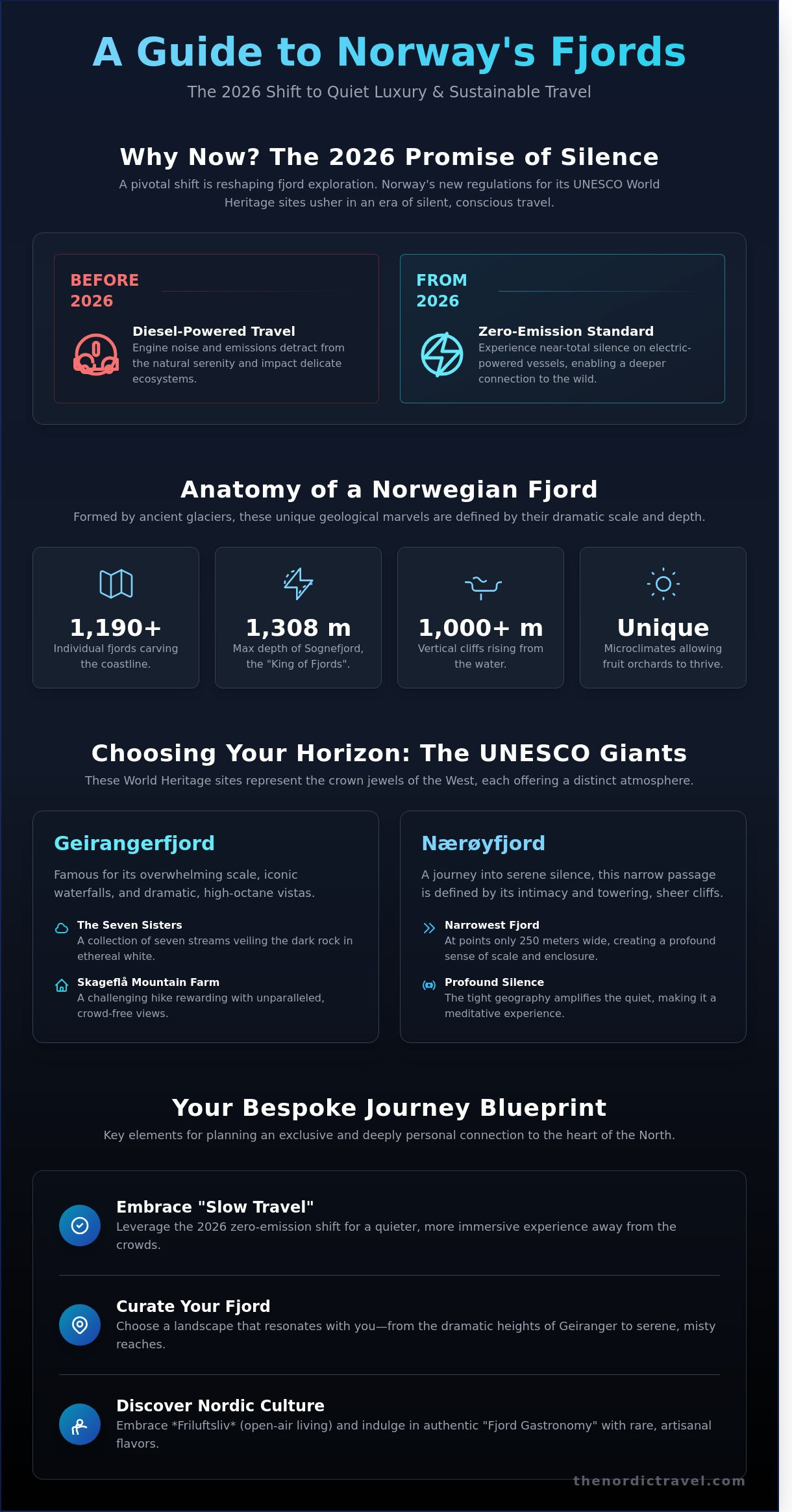
- Norway is home to over 1,190 individual fjords carving the coastline.
- The Sognefjord, the “King of the Fjords,” reaches a depth of 1,308 meters.
- Vertical cliffs often extend as far below the water as they do above.
- Unique microclimates allow fruit trees to thrive at high latitudes.
The 2026 Perspective: Why Now?
The year 2026 isn’t just a date on the calendar; it’s a promise of silence. The Norwegian Parliament’s decision to enforce zero-emission zones in the World Heritage fjords by 2026 changes the nature of exploration. This shift toward regenerative tourism ensures that your presence contributes to the preservation of the landscape rather than its decline. Electric-powered maritime travel will become the standard, allowing you to experience the untamed wilderness without the drone of diesel engines. The silence of an electric ship gliding through the water creates a truly ethereal atmosphere.
Choosing this moment for your journey means participating in a movement toward slow, conscious travel. We’ve handpicked this era for travelers who value sustainability as much as luxury. It’s an invitation to embrace the Nordic lifestyle in its purest form. By 2026, the transition to green maritime travel will be seamless, ensuring these delicate ecosystems remain untouched for generations. This norway fjords guide serves as your gateway to this new era of quiet luxury and environmental respect.
Choosing Your Horizon: A Handpicked Selection of Norway’s Best Fjords
Norway’s coastline is a masterpiece of glacial artistry where the sea reaches deep into the mountains’ stone hearts. Every inlet tells a different story. Some whisper of ancient orchards and cider traditions, while others roar with the thunder of a thousand waterfalls. This norway fjords guide categorizes these landscapes by the emotional resonance they provide; whether you seek the high-octane thrill of a granite cliff or the quiet luxury of a secluded, misty reach.
The UNESCO Giants: Geiranger and Nærøyfjord
These are the crown jewels of the west, places where the scale of nature feels almost overwhelming. Geirangerfjord is famous for the Seven Sisters, a collection of seven distinct streams that veil the dark rock in ethereal white silk. To find true silence here, avoid the midday cruise crowds. Instead, hike to the Skageflå mountain farm at 08:00 or visit the Flydalsjuvet viewpoint during the golden hour when the light turns the water into liquid sapphire. The West Norwegian Fjords, specifically Geirangerfjord and Nærøyfjord, hold a prestigious UNESCO World Heritage status that protects their pristine, untamed beauty. Nærøyfjord is the narrowest and most dramatic arm of the Sognefjord, measuring just 250 meters wide at its tightest point between 1,700-meter tall peaks.
The Cultural Heart: Hardanger and Sognefjord
Hardangerfjord is known as the Orchard of Norway. It offers a softer, more lyrical beauty that’s best experienced in late May when 600,000 fruit trees burst into blossom against the backdrop of the Folgefonna glacier. The local cider culture is a curated experience of its own; many boutique farms now offer tastings of award-winning vintages that rival fine champagne. Further north, the Sognefjord earns its title as the King of Fjords. It’s a titan of geography, stretching 204 kilometers inland and reaching depths of 1,308 meters. For a blend of history and nature, visit the Urnes Stave Church. Built around 1130, it’s the oldest of its kind and stands as a silent witness to a thousand years of Nordic history. Our bespoke itineraries often include private guided tours of these architectural treasures to ensure an exclusive connection with the past.
The Rugged South: Lysefjord
Lysefjord is the destination for the adventurous soul. It’s home to Preikestolen, or Pulpit Rock, a flat plateau that hangs 604 meters above the water. While the hike is iconic, the true magic of Lysefjord is found in the Flørli 4444 wooden stairs. It’s the longest wooden staircase in the world, rising sharply from the fjord’s edge to the mountain top. The light here is different; it’s a sharp, silver glow that hits the granite cliffs at dawn, creating a stark contrast against the deep green water. You won’t find large cruise ships in the furthest reaches of this gorge. We recommend private boat charters to navigate the narrowest sections. It’s the only way to truly feel the verticality of the landscape without another soul in sight. This norway fjords guide suggests visiting in September to catch the first dusting of snow on the peaks while the fjord remains navigable and calm.
Beyond the View: The Nordic Way of Life on the Water
To witness the fjords from a cruise ship deck is only half the story. The true magic lies in the immersion. While many visitors treat the landscape as a silent gallery, the local culture thrives through active participation. This norway fjords guide invites you to step off the path and into the rhythm of the tides. You’ll find that the water isn’t just a view; it’s a source of life, flavor, and architectural inspiration that defines the modern Viking spirit. It’s about the salt on your skin and the scent of pine in the air.
A Taste of the Fjords
Fjord gastronomy is a masterclass in hyper-local sourcing. In remote villages like Flåm or Balestrand, the distance from farm to fork is often measured in meters rather than miles. You’ll taste the salt of the sea in wild salmon and the sweetness of mountain herbs in traditional geitost (goat cheese). Local chefs prioritize ingredients that thrive in this rugged terrain, ensuring every bite tells a story of the season. The 2021 surge in interest regarding sustainable travel in the fjords has further solidified this commitment to heritage. It’s a culinary revival that honors the land. Specifically, the Hardanger region has seen a massive resurgence in traditional cider-making, with over 50 producers now crafting world-class, award-winning beverages from ancient orchards that cling to the steep hillsides.
Architecture and Design in the Wild
Norwegian design doesn’t compete with nature. It bows to it. The Stegastein lookout, completed in 2006, serves as a perfect example of this philosophy. Hovering 650 meters above the Aurlandsfjord, this ethereal structure of steel and solid pine offers a seamless transition between the man-made and the untamed. It’s part of a larger network of 18 National Scenic Routes where art and infrastructure collide to create something transcendent. These points aren’t just photo stops; they’re curated experiences designed to heighten your connection to the pristine surroundings. For those seeking the ultimate norway fjords guide experience, staying in a landscape hotel is essential. These bespoke accommodations offer private sanctuaries where floor-to-ceiling glass walls make the rugged granite cliffs your primary interior decor.
Quiet luxury isn’t about gold leaf or loud displays. It’s the feeling of a handpicked wool blanket in a boutique cabin. It’s the profound silence of a fjord morning before the world wakes up. We focus on these tailor-made moments because they provide a sense of exclusivity that mass tourism can’t replicate. Every stay we select reflects a deep respect for the environment and the privacy of the traveler. You’ll find yourself in places where the architecture disappears into the mist, leaving only you and the water. It’s a curated approach to discovery. It ensures your journey is as impactful as the mountains themselves, blending modern comfort with the ancient, untamed soul of the North. This is the Nordic way: sophisticated, grounded, and entirely unforgettable.
Navigating the Fjords in 2026: Sustainable Planning & Logistics
2026 marks a transformative chapter for the Norwegian coastline. The Norwegian Parliament’s mandate requiring zero-emission propulsion in UNESCO-protected waters, specifically the Geirangerfjord and Nærøyfjord, changes how we witness these ancient landscapes. This shift ensures the pristine silence of the valleys remains undisturbed by heavy fuel oil or engine vibrations. This norway fjords guide helps you transition into this new era of conscious exploration where the environment’s health is as paramount as the traveler’s comfort.
The Era of Electric Travel
Securing passage on vessels like the award-winning Future of the Fjords offers a seamless connection to nature. These fully electric catamarans glide through the water at 16 knots without a whisper. You’ll hear the distant crash of a waterfall or the cry of a sea eagle long before you see them. It’s a curated experience where technology serves the ethereal beauty of the environment. Booking these electric ferries at least six months in advance is essential as capacity is limited to preserve the quiet luxury of the journey.
When to Visit: A Seasonal Guide
Timing your journey is an art form. While summer attracts the most visitors, the shoulder seasons offer a more exclusive atmosphere and unique light conditions.
- The Spring Awakening (May): This is the peak for “untamed” waterfalls. As the snow melts from the high plateaus, thousands of cascades reach their maximum volume. In the Hardangerfjord region, over 500,000 fruit trees burst into blossom against a backdrop of white peaks.
- The Midnight Sun (June and July): Above the Arctic Circle, the sun doesn’t set for 24 hours. This creates an endless “golden hour” that’s perfect for late-night kayaking or photography. It’s a time of boundless energy and vibrant green landscapes.
- The Golden Autumn (September): Visitor numbers drop by roughly 20 percent compared to August. The rugged tundra turns deep crimson and orange. The air is crisp, and the low-hanging sun creates long, dramatic shadows across the water.
Choosing between the iconic coastal voyages and a private charter depends on your desired level of intimacy. The Havila Capella and its sister ships now feature the world’s largest battery packs, allowing for four hours of silent, emission-free sailing through heritage sites. For those seeking a tailor-made escape, a private yacht charter provides access to hidden arms of the Sognefjord where larger ships cannot venture. This allows for a handpicked itinerary that avoids the standard tourist pulse, offering a truly exclusive perspective of the cliffs.
For families or travelers who prefer the convenience of an all-in-one package, exploring all inclusive family cruise deals can be a practical way to manage logistics while still enjoying the stunning coastal scenery.
Nordic weather is famously fickle. Even in July, temperatures can fluctuate from 22°C to 7°C in a single afternoon. Your packing strategy should prioritize high-quality layers to ensure your comfort remains uninterrupted:
- Merino wool base layers for natural moisture regulation.
- A windproof and waterproof outer shell with a minimum 15,000mm rating.
- Sturdy, waterproof hiking boots with deep tread for rugged terrain.
- Polarized sunglasses to combat the intense reflections from the water and glaciers.
Planning a trip using this norway fjords guide means embracing the rhythm of the land. By choosing sustainable transport and visiting during the quieter months, you contribute to the preservation of these delicate ecosystems. The result is a deeper, more meaningful connection with one of the world’s most dramatic landscapes.
Crafting Your Bespoke Fjord Itinerary
True exploration requires a pace that honors the landscape. At The Nordic Travel, we reject the hurried tempo of mass tourism. We prefer the quiet, the handpicked, and the profound. This norway fjords guide serves as your compass, but the true journey begins when you step off the beaten path. Our signature 7-day slow travel route traces a path from the historic docks of Bergen to the Atlantic edges of Ålesund, ensuring every mile feels earned and every vista feels personal.
Your journey begins with two nights in Bergen, exploring the hidden alleys behind the medieval wharf. On day three, you’ll venture into the Sognefjord, staying in a boutique waterfront lodge in Balestrand. Day four and five are dedicated to the emerald waters of the Geirangerfjord, where monolithic cliffs rise 1,500 meters above the sea. The final two days culminate in Ålesund, where the mountains meet the sea in a dramatic display of Art Nouveau elegance. This isn’t just a route; it’s a curated sequence of moments designed to let the silence of the north sink in.
The Gateway Cities: Bergen and Ålesund
Bergen remains the historic heart of the fjords. Walking through Bryggen, where Hanseatic merchants traded stockfish as early as 1360, feels like stepping into a living museum. The city offers a seamless transition from urban luxury to wild nature. Just a short funicular ride up Mount Fløyen reveals the untamed wilderness that surrounds the city. In contrast, Ålesund is the Art Nouveau jewel of the north. After the Great Fire of 1904, the city was rebuilt in a unified architectural style that remains unique in Europe. It’s a place where the salt air of the Atlantic meets the sophisticated curves of stone towers and turrets.
The Private Experience
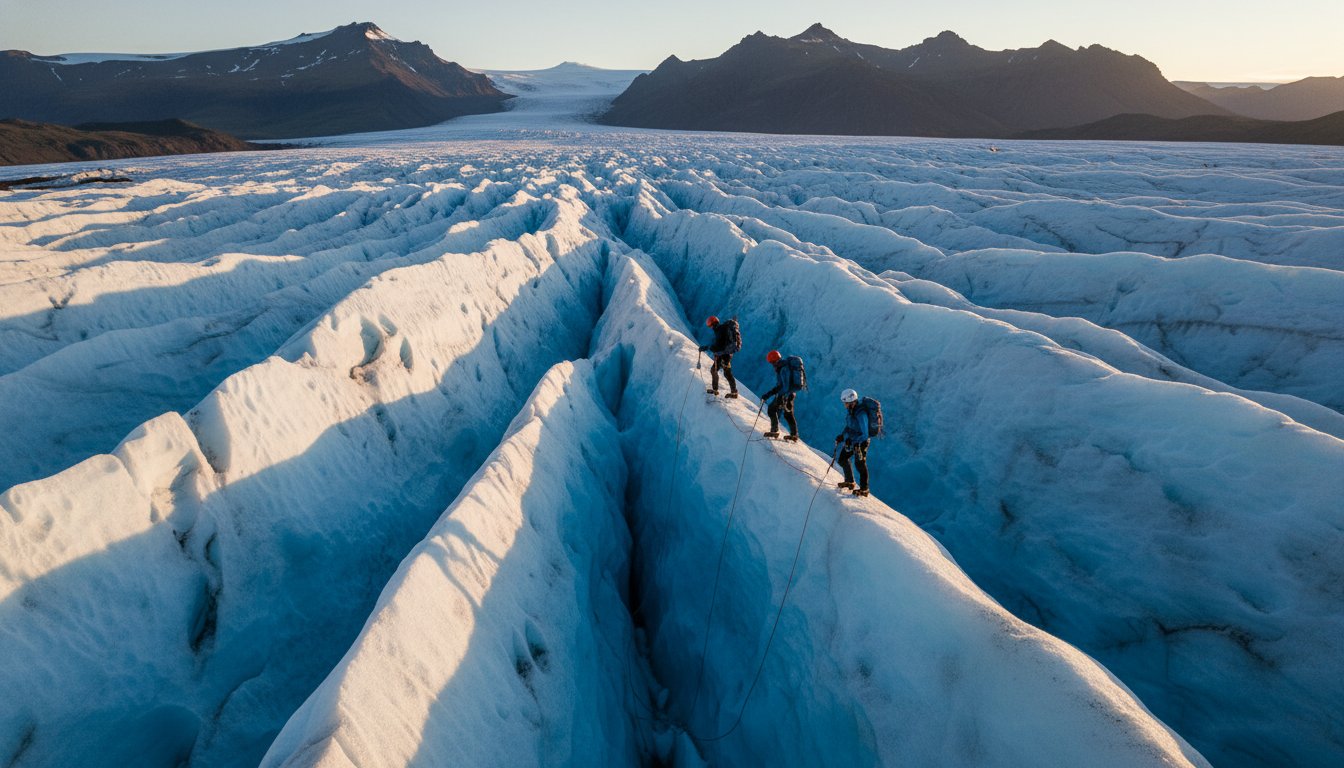
Standard travel packages often miss the soul of the landscape. Choosing custom itineraries allows you to dictate the rhythm of your days. While others view the glaciers from a distance, we believe in the power of proximity. Adding a private tour provides access to hidden glacial arms like Nigardsbreen, where you can witness the ethereal blue ice without the crowds. A private guide doesn’t just show you the way; they share the stories of the families who have lived on these rugged slopes for generations, turning a scenic view into a deep cultural connection.
The true value of a norway fjords guide lies in the ability to find stillness. It’s found in the morning mist on a silent electric boat or the first light hitting a pristine mountain lake. These are the experiences that change your perspective on nature and your place within it. We invite you to move beyond the postcard and step into the living, breathing majesty of the north. Let us curate your 2026 Norway Fjord journey and transform your dream into a seamless, exclusive reality.
Norway is more than a destination; it’s a feeling of profound peace. Whether you’re standing on the edge of a jagged cliff or enjoying a glass of local cider by a roaring fire, the fjords leave a permanent mark on your soul. It’s time to experience the quiet luxury of the untamed north, where every detail is handled with the precision of a local expert and the passion of a storyteller.
Your 2026 Awakening in the Fjordlands
The landscape of the North is evolving, and 2026 marks a pivotal era for travelers seeking the world’s most pristine waters. New zero emission mandates for UNESCO protected sites mean your visit will be quieter and more sustainable than ever before. This norway fjords guide serves as your compass through these shifts, emphasizing that the most profound experiences happen away from the cruise ship crowds. We’ve identified 12 exclusive locations where rugged cliffs meet the sea in total silence, providing the perfect backdrop for a bespoke retreat.
Our team of local experts brings 15 years of regional knowledge to every itinerary, ensuring your journey is as seamless as it is inspiring. We focus on quiet luxury, handpicking boutique stays that overlook the 200 kilometer expanse of the Sognefjord or the hidden arms of the Hardangerfjord. You don’t have to worry about the logistics of navigating the untamed coast; we manage every detail with the precision of a luxury concierge. The ethereal beauty of the North is calling, and it’s time to answer with a journey designed specifically for your soul.
Discover our handpicked Nordic tours for 2026 and begin your tailor made adventure into the heart of the fjords today.
Frequently Asked Questions
What is the best month to visit the Norwegian fjords in 2026?
June 2026 is the ultimate month to witness the fjords in their full, ethereal glory. You’ll experience the summer solstice with up to 20 hours of daylight, allowing for endless exploration of the pristine landscapes. The fruit trees in Hardanger reach peak bloom during this window, creating a soft contrast against the rugged, snow-capped peaks. It’s a period of quiet luxury where the weather remains stable and the waterfalls are at their most powerful.
How many days do I need for a proper Norway fjords guide itinerary?
You should dedicate 10 to 12 days to experience a truly curated journey through the region. This timeframe allows for three days in the cultural hub of Bergen, four days exploring the deep waters of the Sognefjord, and three days for the untamed beauty of the Lofoten Islands. A shorter trip often feels rushed, while 12 days ensures a seamless pace. This norway fjords guide recommends this duration to balance active adventure with moments of still reflection.
Can I see the fjords without a cruise ship?
You can absolutely explore the fjords by land using Norway’s 18 National Tourist Routes. Traveling by a private electric vehicle or the iconic Flåm Railway offers a more intimate, bespoke experience than a large vessel. You’ll have the freedom to stop at handpicked viewpoints and stay in exclusive boutique hotels nestled along the water’s edge. This approach lets you bypass the 4,000-passenger crowds and connect deeply with the silent, majestic terrain.
What are the new 2026 environmental regulations for Norway’s fjords?
Starting January 1, 2026, the Norwegian government is enforcing a zero-emission mandate for all ships entering World Heritage fjords. This means only electric or hydrogen-powered vessels will be permitted in Geirangerfjord and Nærøyfjord. These strict 2026 rules aim to protect the pristine air quality and fragile ecosystems of these protected sites. It’s a pioneering move that ensures your travel remains sustainable while preserving the untamed atmosphere for future generations.
Which fjord is better: Geiranger or Sognefjord?
Geirangerfjord offers concentrated drama with its 15-kilometer stretch of vertical cliffs, while Sognefjord provides an expansive, majestic scale as the world’s longest ice-free fjord at 205 kilometers. If you seek iconic waterfalls like the Seven Sisters, Geiranger is your destination. However, Sognefjord is better for those craving a tailor-made, quiet escape into deep, emerald waters and hidden orchards. Both represent the pinnacle of the norway fjords guide experience, just with different rhythms.
Is it possible to see the Northern Lights from the fjords?
You can see the Aurora Borealis from the fjords if you visit between late September and March. The best sightings occur above the 66th parallel north, specifically in the Trollfjord or near the city of Tromsø. While the southern fjords are too far south for consistent displays, the northern reaches offer a celestial dance over the rugged peaks. It’s a hauntingly beautiful sight that requires clear skies and a bit of patience during the winter months.
What should I pack for a fjord trip in the summer?
You’ll need a versatile three-layer system to handle the variable 10 to 20 degree Celsius temperatures. Start with a breathable merino wool base, add a warm mid-layer, and finish with a high-quality waterproof shell. Don’t forget sturdy, waterproof hiking boots for exploring the untamed trails and a pair of polarized sunglasses for the glare off the glaciers. Packing this way ensures you stay comfortable during a seamless transition from a sunny valley to a misty mountain pass.
How expensive is a private tour of the fjords?
A bespoke private tour typically costs between $1,200 and $2,500 per day for a group of four travelers. This exclusive price includes a handpicked local guide, a premium SUV for seamless transport, and curated activities like private boat charters. While it’s a significant investment, it provides a level of privacy and flexibility that standard tours don’t offer. You’re paying for the luxury of time and the expertise of a specialist who knows every hidden gem.