What if the most profound connection you make with the Arctic doesn’t happen in the untamed wilderness, but within a curated sanctuary where the forest’s silence speaks louder than any tour guide? You likely dream of standing inches away from a majestic polar bear; however, you might worry if such an encounter is truly ethical or if the 80 kilometer journey south from Rovaniemi is worth the effort when temperatures dip below minus 20 degrees. It’s natural to feel hesitant about wildlife tourism, but a visit to Ranua Zoo offers a rare, ethereal glimpse into a world where conservation is the primary heartbeat.
This guide provides everything you need for a bespoke, stress-free day trip in 2026, ensuring you don’t miss a single one of the 50 Arctic species that remain active throughout the winter. We’ll walk you through the seamless logistics of your arrival, the park’s rigorous animal welfare standards, and the best ways to experience an intimate encounter with the North’s most iconic inhabitants. From the pristine snow-covered trails to the quiet dignity of the animals, your journey into the heart of Lapland’s wildlife starts here.
Key Takeaways
- Discover why this sanctuary is an ethereal escape into the wild, where a winding 2.8km boardwalk leads you through pristine forests rather than traditional enclosures.
- Witness the majestic presence of Finland’s only polar bears and the “Big Three” forest predators in an authentic environment that honors their natural Arctic rhythm.
- Master the logistics of your visit to ranua zoo by choosing the perfect season and timing your arrival to witness rare feeding encounters.
- Elevate your journey with curated transport options and exclusive overnight stays in glass igloos for a truly seamless and luxurious Lapland adventure.
Beyond the Cage: The Arctic Soul of Ranua Wildlife Park
The 80-kilometer drive south from Rovaniemi acts as a silent curtain-raiser to the wild. Within 60 minutes, the festive energy of the Arctic Circle fades, replaced by the stoic presence of the Finnish taiga. This isn’t your typical urban enclosure; it’s a deliberate immersion into a landscape that has remained unchanged for millennia. At the heart of this transition lies the ranua zoo, a sanctuary that prioritizes the integrity of the ecosystem over the convenience of the spectator. It’s a place where the air feels sharper and the connection to the earth feels more profound.
Stepping onto the 2.8-kilometer wooden boardwalk, you’ll feel the immediate shift in atmosphere. The path winds through dense, pristine coniferous forests, elevated just enough to offer a vantage point without intruding on the forest floor. It’s a bespoke journey designed to mirror the natural migration patterns of the 50 indigenous species that call this park home. You aren’t just looking at animals; you’re walking through their world, following a trail that honors the rugged beauty of the North.
A Commitment to Conservation and Ethics
Since its establishment in 1983, the Ranua Wildlife Park has functioned as a critical pillar for Arctic biodiversity. It doesn’t just display animals; it protects them through rigorous adherence to EAZA (European Association of Zoos and Aquaria) standards. The park is a key participant in the EEP (European Endangered Species Programme), ensuring that genetic diversity remains a priority for species facing habitat loss. This commitment ensures that the ranua zoo remains a leader in global conservation efforts.
The facility serves as a permanent haven for individuals that can’t survive in their natural habitats due to injury or orphanhood. For over 40 years, the park’s research initiatives have provided invaluable data on cold-weather animal welfare. This isn’t a place of performance. It’s a place of preservation where science and empathy coexist within the rugged landscape. Every enclosure is a curated habitat, providing the space and resources necessary for these majestic creatures to thrive in a setting that feels entirely authentic.
The Sensory Experience of the Boreal Forest
Walking through the park, the first thing you’ll notice is the ethereal silence. It’s a heavy, velvet-like quiet that only a boreal forest in mid-winter or late autumn can produce. The enclosures are vast, often spanning several hectares, which respects the animals’ fundamental need for privacy. You won’t see animals pacing small cages; instead, you’ll spot a lynx or a wolverine only if they choose to be seen. This creates a sense of genuine discovery rather than a manufactured exhibit.
This element of choice is central to the park’s philosophy. The design ensures that every inhabitant has access to secluded areas, away from human eyes, mimicking the vast territories they’d occupy in the untamed north. It requires patience from the visitor, but the reward is a genuine glimpse into the soul of the Arctic. You might wait ten minutes for a polar bear to emerge from a snowbank, but that moment of connection is far more powerful because it’s earned. The park encourages a slow, rhythmic pace that allows you to absorb the scents of pine and the crunch of snow underfoot.
The Ranua Experience is a curated blend of environmental education and quiet meditation, where the rhythm of the forest dictates the pace of discovery.
Encountering the Giants: From Polar Bears to Elusive Forest Predators
The air in the Lapland forest carries a crisp, pine-scented stillness that demands respect. Walking through the gates of the ranua zoo, you enter a world where the boundary between human observer and the wild begins to blur. The park isn’t a traditional zoo; it’s a sanctuary carved directly into the ancient Finnish wilderness. Here, over 50 species live in expansive enclosures that mirror their natural habitats. Silence is your most valuable asset. If you remain still, the forest reveals its secrets. You might catch the golden glint of a lynx’s eye or the heavy, rhythmic breath of a predator moving through the brush. This is an invitation to witness the raw power of the North in a setting that feels entirely untamed.
The Polar Bear Kingdom
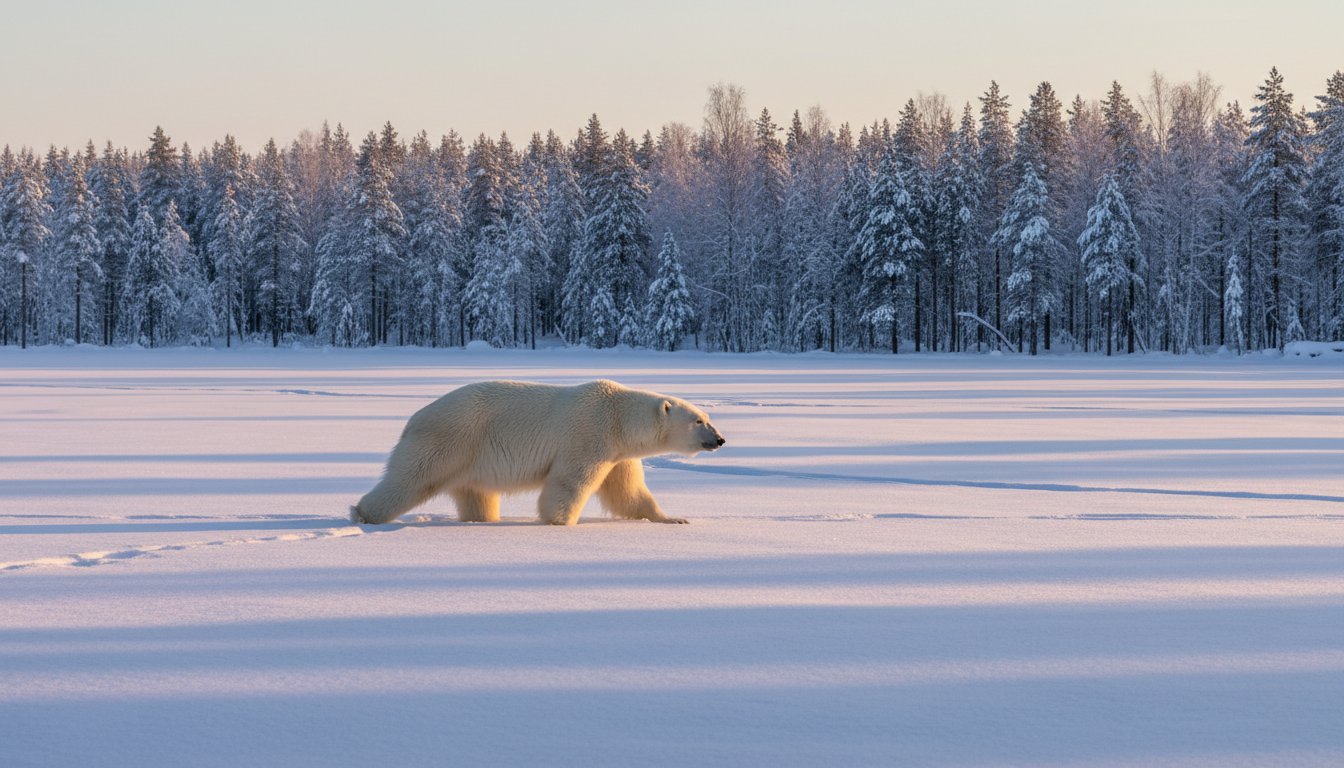
Finland’s only polar bears reside here, thriving in a climate that respects their biological needs. Seeing these apex predators against a backdrop of real snow is a transformative experience. They aren’t just exhibits. They are ambassadors for a changing North. To see them at their most active, plan your visit around the morning hours. This is when their intelligence and physical power are most apparent as they interact with their environment. Their presence highlights the vital conservation efforts managed by the park to ensure the survival of Arctic species. It’s a somber yet beautiful reminder of our responsibility to the pristine environments of the Arctic Circle.
The Secretive Residents of the Taiga
Deep within the shadows of the pines, the “Big Three” of the Finnish wilderness await. The brown bear, the wolf, and the lynx represent the rugged soul of the forest. If you visit between April and October, you’ll see the brown bears foraging in the undergrowth. From approximately mid-November to March, these giants retreat into deep hibernation, a biological marvel that visitors must respect. Nearby, the wolverine prowls. This fierce spirit of the Taiga is surprisingly compact but possesses a legendary tenacity that allows it to thrive in the harssh Lapland winters.
You’ll also notice the wild forest reindeer. They are taller, leaner, and far more elusive than the domestic herds found across Lapland. Observing them requires a soft touch and a quiet step. For those seeking a bespoke Arctic journey, these moments of quiet rhapsody define the true Nordic experience. The owl aviaries offer a final touch of magic. The snowy owl, with its ethereal white plumage, looks like a literal ghost of the forest. These birds are masters of camouflage, and spotting one requires a keen eye and a patient heart.
Success at ranua zoo depends on your willingness to slow down. The animals have 2.8 kilometers of wooden walkways to roam alongside, and they often choose to rest in the shade of the thickets. If an enclosure looks empty, wait three minutes. Watch for the twitch of an ear or a change in the snow’s texture. The reward for your patience is a connection that stays with you long after the sun sets over the frozen horizon. It’s a curated experience that balances luxury with the rugged reality of the wild.
The Seasonal Shift: Is Ranua Zoo Worth Visiting in Winter vs. Summer?
The Arctic doesn’t just change its appearance; it shifts its entire soul as the seasons rotate. In 2026, your experience at Ranua Zoo depends entirely on the earth’s tilt. Choosing between the crystalline silence of January and the amber glow of July is a matter of personal resonance. Each season offers a curated encounter with the untamed North, though the atmosphere and animal activity levels vary significantly.
The Winter Wonderland Perspective
Winter transforms the 2.8-kilometer boardwalk into a pristine corridor of ice and light. You’ll find the polar bears at their most majestic during these months. Their creamy fur contrasts sharply against the blue-tinted snow, creating a visual masterpiece. However, it’s vital to manage your expectations. The brown bears follow their biological clocks, entering hibernation around late October and typically remaining tucked away until the spring thaw in early April. This quiet period highlights the park’s commitment to natural rhythms. The facility’s active role in recent research projects ensures these hibernation cycles are monitored with scientific precision, providing a deeper understanding of Arctic survival.
For families, the practical beauty of the park shines through the provided wooden sledges. Instead of struggling with strollers, parents pull children through the snowy forest on these traditional sleds. It’s a seamless way to navigate while keeping the little ones immersed in the magic. Photographers should note that the sun sits incredibly low on the horizon in December and January. This creates a perpetual “golden hour” where the light remains soft and dramatic for the few hours of daylight available. It’s the perfect backdrop for capturing the rugged profile of a muskox or the ethereal flight of a snowy owl.
Summer and the Midnight Sun
Summer brings an entirely different energy fueled by the Midnight Sun. In June and July, the region experiences 24 hours of daylight, allowing for a relaxed and unhurried exploration of the grounds. The stark, white landscape of winter disappears, replaced by a lush green forest canopy and deep emerald moss. The ranua zoo feels like a vibrant sanctuary where the air is filled with the scent of pine and wild heather.
The domestic animal yard becomes a focal point for younger visitors during the warmer months. Here, children can interact with Finnish sheep, goats, and horses in a tactile, safe environment. It’s a gentle contrast to the untamed predators found deeper in the park. The extended hours mean you can visit late in the evening when the crowds have thinned, yet the light remains as bright as midday. The animals are often more active in the cooler evening temperatures, providing a unique window into their behavior under the sun that never sets.
The Secret Seasons: Autumn and Spring
Beyond the peak seasons, the “secret seasons” of Lapland offer rare beauty for the discerning traveler. September marks the “Ruska” period, a 14-day window where the foliage turns brilliant shades of crimson and gold. The crisp air makes the animals more alert, and the mosquitoes of summer have long since vanished. Spring, particularly March, offers the best of both worlds. You’ll find deep snowbanks and frozen lakes, but the daylight has returned for 12 hours a day. It’s a period of high energy as the park prepares for the great thaw, and the first signs of life emerge from the long winter sleep.

Planning Your Arctic Safari: Logistics and Essential Traveler Tips
The journey to Ranua Zoo is a deliberate immersion into the Lapland wilderness. Located exactly 80 kilometers south of Rovaniemi, the drive creates a transition between the bustling Arctic capital and the silent, snow-draped forests where the animals reside. Most travelers allocate five to six hours for the entire excursion. This window accounts for the transit time and the 2.8 kilometer wooden boardwalk trek that winds through the park. To truly appreciate the residents, you should time your arrival for 10:30. Most animal feedings begin around 11:00; this is a rare opportunity to see the polar bears and wolverines at their most active and visible.
Seamless Transportation from Rovaniemi
Choosing your transit method defines the rhythm of your day. The Saaga Travel shuttle is a reliable staple for many, departing from the Rovaniemi bus station at 10:00 daily and returning at 15:10. For those who prefer a curated experience, pre-booked tour packages often include skip-the-line tickets and professional guided insights. If you choose to drive the Highway 78 route yourself, prepare for a 60-minute journey. Arctic conditions require focus; local rental cars come equipped with studded tires to handle the ice that persists well into April. For the most refined experience, a private concierge service offers door-to-door luxury. This bespoke option allows you to dictate the schedule and enjoy the scenery without the distractions of navigation, ensuring a peaceful transition into the wild.
Survival and Comfort on the Trail
The Arctic environment demands respect and meticulous preparation. Even during the milder 10°C days of September, the dense forest canopy traps the cold. You’ll spend roughly 150 minutes outdoors, so a three-layer system is essential for every visitor. Start with a thermal base of merino wool, add a fleece mid-layer, and finish with a windproof shell. Footwear should be waterproof with deep treads; the boardwalks can become slick with frost or morning dew. Families traveling with young children don’t need to worry about heavy gear. You can borrow wooden sledges or sturdy strollers at the entrance, ensuring a seamless flow across the snowy paths for the little ones.
After your trek, the Wild Arctic Restaurant provides a warm sanctuary. Their traditional buffet often features local reindeer stew and mashed potatoes, a hearty way to restore your energy. Before leaving the grounds, a stop at the Fazer chocolate shop is mandatory. This is the northernmost outlet for Finland’s iconic confectioner, offering exclusive gift boxes and local delicacies like handpicked cloudberry jams. These flavors serve as a sweet reminder of the pristine landscapes you’ve just explored. To ensure your visit is as effortless as it is inspiring, consider a tailor-made Arctic itinerary that handles every detail from transport to private guides.
The ranua zoo experience is as much about the journey as it is about the wildlife. Whether you’re watching the playful antics of the otters or the steady, powerful gait of the muskox, the logistics should never overshadow the magic. By arriving early and dressing for the elements, you allow yourself the luxury of time. You can stand in silence as a snowy owl takes flight or watch the lynx disappear into the brush. These are the moments that define a trip to Lapland; they require a blend of local expertise and careful planning to reach their full potential.
Beyond the Boardwalk: Curating Your Ultimate Lapland Adventure
A journey to the ranua zoo shouldn’t be a rushed excursion squeezed between crowded city tours. It’s the gateway to a deeper, more intimate connection with the Arctic soul. By choosing to linger in this quiet corner of Lapland, you swap the high-traffic tourist hubs for the untamed beauty of the south. This is where the magic of the Nordic lifestyle reveals itself through stillness and intentionality. The landscape here doesn’t demand your attention; it invites you to witness its subtle, ethereal shifts in light and shadow.
The philosophy of slow travel finds its home in the pristine forests surrounding Ranua. It’s a physical sensation that settles in your chest as you watch the sunset dip below the frozen horizon. We believe that true luxury isn’t found in excess, but in the exclusivity of a private moment with nature. Whether it’s the crisp scent of pine needles in the frost or the distant howl of a husky team, these curated details form the tapestry of a bespoke Arctic memory.
Extended Stays in Ranua
The Ranua Resort offers a sanctuary for those seeking a seamless blend of comfort and wilderness. Its 20 glass igloos, positioned along the quiet shores of Lake Ranuanjärvi, provide a private vantage point for the Northern Lights. Unlike the 60,000-person bustle of Rovaniemi, Ranua remains a serene outpost of just 3,700 residents. This seclusion allows for handpicked adventures like 10-kilometer husky safaris through rugged forests or snowshoeing sessions where the only sound is the crunch of snow. It’s a world away from the queues, offering a space where time feels beautifully suspended.
Beyond the wildlife park, the Arctic Cloudberry Village, known locally as Ranuan Hillatupa, offers a glimpse into the region’s cultural heritage. This site celebrates the “Gold of Lapland,” a rare berry that locals gather by the millions during the brief, intense August harvest. Visiting this village adds a layer of human history to your wildlife journey. It transforms a simple holiday into a meaningful exploration of how Arctic communities thrive in harmony with their environment. You can sample traditional preserves or learn about the ancient boglands that sustain this delicate ecosystem, connecting the dots between the land and the plate.
The Nordic Travel Recommendation
We’ve identified Ranua as a cornerstone destination for the 2026 winter season. The demand for private, low-impact tourism is rising, with a 15 percent increase in bespoke Arctic bookings recorded over the last year. A stay here offers more than just a glimpse of a polar bear at the ranua zoo; it fosters a genuine understanding of a fragile, beautiful world. We invite you to step away from the predictable and embrace the extraordinary. Our team ensures every detail of your transition from the zoo’s boardwalks to the deep wilderness is handled with professional precision and care.
The Arctic is a place of profound transformation. When you travel with us, you don’t just visit a destination; you enter a story written by the wind and the snow. Explore our curated Finnish Lapland itineraries and discover how we can tailor your next exclusive escape to the heart of the north.
Embrace the Untamed Spirit of the North
Your journey through the heart of Lapland finds its soul at the ranua zoo, where a 2.8-kilometer wooden boardwalk leads you into a world of untamed beauty. You’ll encounter more than 50 species of Arctic animals, including Finland’s only polar bears, in a setting that honors their wild nature. The wild awaits. Whether you visit during the ethereal midnight sun of June or the rugged, snow-draped silence of January 2026, the experience remains profoundly intimate. We specialize in transforming these moments into seamless, private memories that respect the delicate balance of the North. As Sustainable Travel Finland certified partners, our expert team ensures your visit supports the very ecosystems you’ve come to admire through our expertly curated Nordic itineraries. We don’t just plan trips; we curate exclusive narratives that stay with you long after the frost has melted. The Arctic is calling, and its secrets are best shared in the quiet luxury of a tailor-made adventure.
Begin your bespoke Arctic journey with our handpicked tours
Frequently Asked Questions
How far is Ranua Zoo from Rovaniemi and how do I get there?
Ranua Zoo sits 80 kilometers south of Rovaniemi; a journey that typically takes 60 minutes by car. You can reach the park via the daily Matkahuolto bus service or by booking a private, bespoke transfer for a more seamless experience. For those seeking independence, the drive along Highway 78 offers a pristine view of the Lapland wilderness. It’s a straightforward route that leads you directly to the heart of the Arctic forest.
Can you see polar bears at Ranua Zoo in the winter?
You can absolutely see polar bears at ranua zoo during the winter months. Unlike brown bears that hibernate, polar bears remain active and often appear more vibrant against the 100% snow-covered landscape. The park’s resident polar bear, Venus, thrives in the sub-zero temperatures. Watching these majestic creatures navigate the frost-dusted terrain offers a rare, ethereal glimpse into their natural Arctic rhythm and untamed beauty.
How long does it take to walk through Ranua Wildlife Park?
A typical visit lasts between 2 and 3 hours as you traverse the 2.8-kilometer wooden boardwalk. This elevated path winds through the forest, allowing you to observe 50 different Arctic species at a meditative pace. If you pause to photograph the snowy owls or enjoy a quiet moment by the enclosures, you might spend closer to 4 hours. The rhythm of the walk is entirely yours to curate.
Is Ranua Zoo ethical and what are their animal welfare standards?
The ranua zoo maintains high welfare standards as an accredited member of the European Association of Zoos and Aquaria (EAZA). They focus on the conservation of Arctic species and provide a sanctuary for injured animals found in the wild. The enclosures are designed to mimic natural habitats, offering 100% authentic forest surroundings. This commitment ensures that every encounter feels respectful and grounded in a deep reverence for the environment.
What should I wear for a visit to Ranua Zoo in January?
Dress in three distinct layers to withstand January temperatures that frequently drop to -20°C or even -30°C. Start with a thermal merino wool base, add a thick fleece or wool sweater, and finish with a high-quality insulated parka and snow pants. Don’t forget wool socks, thermal boots, and a windproof hat. Proper attire ensures your focus remains on the ethereal beauty of the wildlife rather than the biting cold.
Are there places to eat at the Ranua Wildlife Park?
You’ll find several dining options, including the Wild Arctic Restaurant which serves a daily buffet featuring local flavors. For a lighter bite, the park cafe offers warm pastries and coffee, while the onsite Fazer shop provides world-famous Finnish chocolates. These spaces provide a warm, cozy refuge where you can recount your sightings over a steaming cup of berry juice. It’s a seamless blend of rugged exploration and refined comfort.
Is Ranua Zoo suitable for strollers and wheelchairs?
The park is fully accessible with 2.8 kilometers of wooden boardwalks designed for strollers and wheelchairs. During the winter season, the park provides wooden sleds at the entrance, which are a practical and charming way to transport young children through the snow. While the terrain is forest-based, the paths are maintained to ensure a smooth journey. This inclusivity allows every guest to experience the magic of the Arctic without barriers.
Is it better to visit Ranua Zoo in the morning or afternoon?
Visiting in the morning, specifically when the park opens at 10:00 AM, is ideal for witnessing peak animal activity. Many species are most active during feeding times or in the soft, blue light of the Arctic midday. In the winter, arriving early is crucial because the sun sets as early as 1:30 PM in December. A morning start grants you the best natural illumination for photography and a quieter, more exclusive atmosphere.