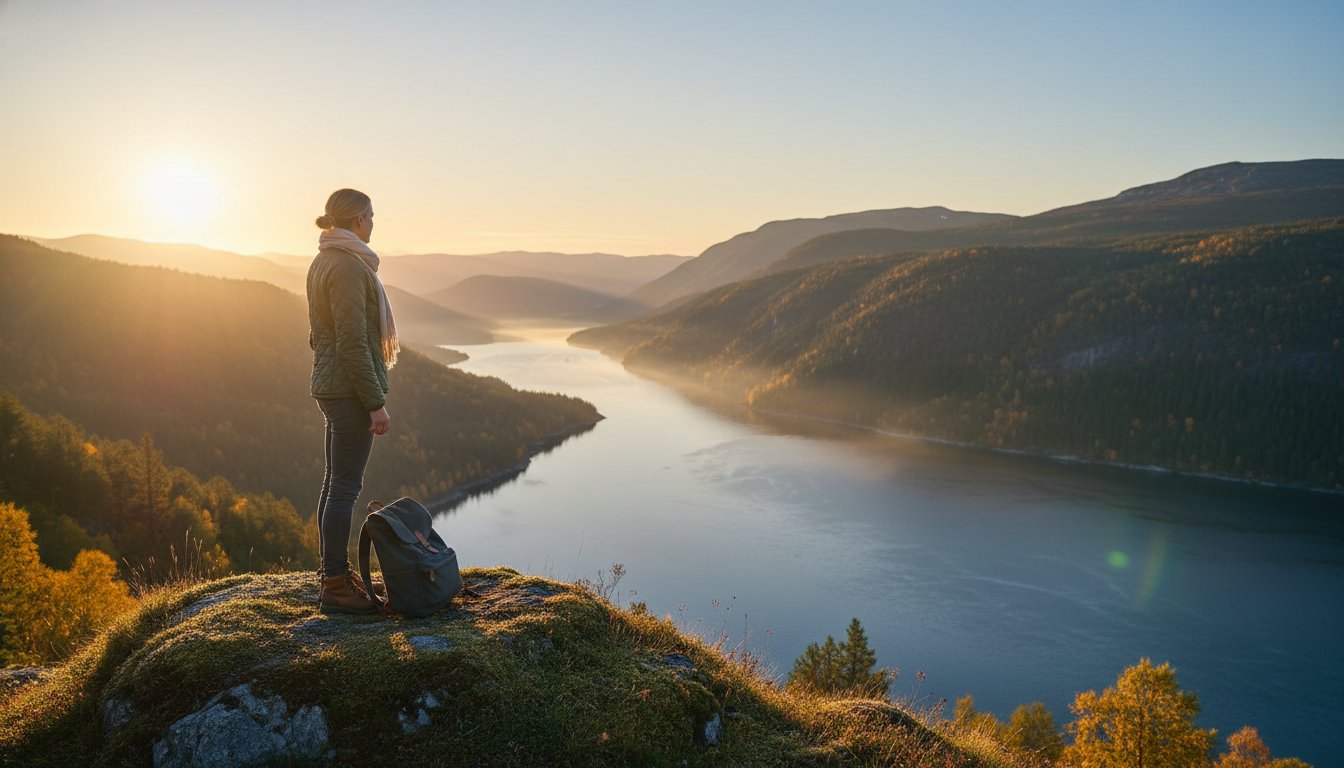
What if the most profound moments in the North aren’t found behind a paywall, but within the stillness of an untamed landscape? You’ve likely felt that immediate sting of sticker shock when researching 2026 flight prices or the cost of a single night in a glass igloo. It’s a common hurdle, as major Scandinavian cities frequently appear in the top 10 percent of global cost-of-living indices, making many travelers fear they’ll miss out on the most iconic experiences.
We understand that desire for a seamless adventure that doesn’t compromise on the ethereal beauty of the region. This guide reveals exactly how to afford a trip to the nordics by focusing on strategic curation and the rewarding rhythm of slow travel. You’ll find that a bespoke journey doesn’t require a compromise on quality, but rather a shift toward handpicked, high-value experiences that evoke a sense of quiet luxury.
We’re providing a clear roadmap for your financial planning that balances pristine nature with smart logistics. From choosing the right shoulder season to identifying exclusive yet low-cost transport routes across multiple borders, you’ll gain the confidence to turn your Nordic dream into a reality. Let’s explore how to navigate these rugged terrains with the precision of a local expert.
Key Takeaways
- Learn to leverage the “shoulder season” magic of May and September to unlock pristine landscapes and handpicked experiences at a fraction of the peak-season cost.
- Discover how to afford a trip to the nordics by mastering value-based travel, where strategic destination curation allows you to experience the ethereal beauty of the North without compromise.
- Transition from standard hotels to curated “hytte” and design hostels while adopting a “Supermarket Gourmet” approach to savor local ingredients with a touch of quiet luxury.
- Navigate the rugged terrain through seamless rail networks and ethereal overnight ferries that offer a high-impact, cost-effective way to witness the shifting scenery.
- Redefine luxury by prioritizing the untamed beauty of the wild—from hidden hiking trails to wild swimming—proving that the most profound Nordic experiences are often found in nature’s simplest gifts.
Demystifying the Cost of Nordic Travel in 2026
The whisper of the North calls to many, yet a persistent shadow often follows the dream: the daunting price tag. For years, the “Nordic Price Myth” suggested that these pristine landscapes were reserved only for the elite. In 2026, the reality is far more nuanced. Learning how to afford a trip to the nordics requires a shift from a mindset of scarcity to one of value-based travel. It’s not about finding the cheapest bed; it’s about investing in experiences that resonate with the soul while skipping the inflated costs of mass tourism.
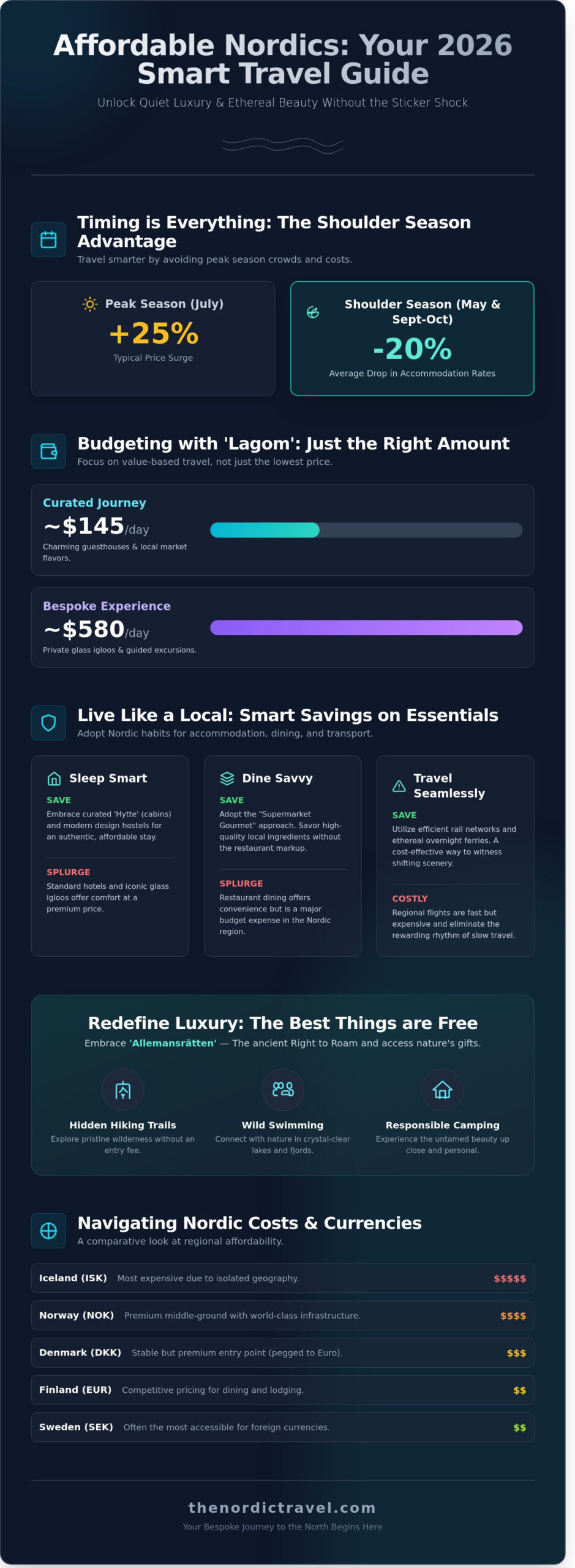
Currency dynamics across the region offer unique opportunities for the savvy explorer. While Finland uses the Euro, providing a familiar benchmark, the Swedish Krona (SEK) and Norwegian Krone (NOK) have shown a trend of accessibility for travelers holding stronger foreign currencies. The Danish Krone (DKK) remains pegged to the Euro, offering a stable but premium entry point. By monitoring these shifts, you can time your bookings to maximize your reach. We embrace the “Slow Nordic” philosophy as a primary financial tool. By lingering in one untamed valley or a single coastal village, you eliminate the frantic, expensive pace of constant transit. It’s a seamless way to deepen your connection to the land while protecting your budget.
Understanding the Nordic Economic Landscape
The region’s reputation for high costs is a direct reflection of its exceptional quality of life and commitment to sustainability. In Scandinavia, every crown spent supports living wages and the preservation of rugged, ethereal environments. As of early 2026, inflation has stabilized at approximately 2.4 percent across the Eurozone and slightly higher in Iceland, making price predictions more reliable than in previous years. Iceland remains the most expensive frontier due to its isolated geography. Finland and Sweden offer more competitive pricing for dining and boutique lodging, while Norway sits in a premium middle ground, balanced by its world-class public infrastructure.
The ‘Lagom’ Approach to Budgeting
The Swedish concept of “Lagom” translates to “just the right amount.” It’s a financial strategy that rejects both deprivation and excess. For a curated 2026 journey, a daily budget of $145 covers charming guesthouses and local market flavors. A bespoke experience, featuring private glass igloos and handpicked guided excursions, typically begins around $580 per day. Investing in a nordic travel guide early in your planning phase prevents the costly mistakes of fragmented, last-minute bookings. This professional insight ensures your journey remains exclusive and economically sound, allowing the magic of the North to take center stage.
Strategic Planning: Timing and Destination Curation
Strategic timing is the foundation of how to afford a trip to the nordics without sacrificing the quiet luxury of the experience. The shoulder seasons of May, September, and early October offer a curated balance. You escape the 25% price surges typical of July while witnessing the landscape’s most poetic transitions. In September 2026, the first frost settles on the tundra, yet the mountain passes remain open and boutique accommodation rates often decrease by 20% compared to the summer peak.
Destination choice dictates your total spend more than any other factor. Coastal regions in Norway often command a premium due to complex logistics, whereas inland Swedish forests or Finnish lakelands offer a more accessible entry into the wild. Embracing the philosophy of slow travel transforms your budget. By staying in one handpicked region for ten days instead of racing across borders, you eliminate the high costs of regional flights and trains. This approach allows you to truly inhabit the space and find a deeper connection to the land.
The Nordic spirit is best captured through Allemansrätten, the ancient Right to Roam. This cultural pillar grants you cost-free access to the pristine wilderness for hiking and responsible camping. It is an invitation to experience the untamed beauty of the North without the price tag of private estates. If you seek a journey that feels both exclusive and grounded, exploring a tailor-made itinerary can help you find these hidden, high-value pockets where nature remains the primary luxury.
Choosing the Right Season for Your Wallet
Deciding between northern lights chasing and midnight sun hiking is a pivotal financial choice. Winter expeditions require specialized gear and higher energy surcharges, while the July peak brings maximum demand for rental cars and lodges. For 2026 travel, booking data suggests a window of 8 months yields the best value for international airfare. Avoiding the mid-summer rush ensures you aren’t competing with the masses for limited, high-end resources.
Destinations That Offer More for Less
Exploring regions outside the main capitals reveals the soul of the North at a softer price point. Finland frequently offers better value for Arctic adventures than its neighbors, providing seamless access to rugged landscapes and high-quality lodges for a lower total investment. Similarly, the Faroe Islands present a bespoke alternative to the well-trodden paths of Iceland. Before you depart, review the Australian Government travel advice for Norway to ensure your plans meet all current safety and local health requirements.
The Art of Nordic Living: Lodging and Dining without the Splurge
True luxury in the North isn’t found in gold-leafed lobbies or overstuffed bellhops. It’s found in the silence of a pristine forest, the perfect curve of a plywood chair, and the clarity of the morning light. Learning how to afford a trip to the nordics involves shifting your perspective from mass consumption to intentional curation. By choosing bespoke alternatives to traditional hotels, you capture the authentic spirit of the region without the inflated price tag. Nordic design is inherently democratic; it’s possible to live beautifully while remaining financially disciplined during your 2026 journey.
Handpicked Stays That Don’t Break the Bank
High-design hostels have redefined communal living in cities like Copenhagen and Stockholm. These spaces offer a seamless blend of aesthetic excellence and affordability, proving that “budget” doesn’t have to mean “basic.” For those seeking the untamed wilderness, booking a traditional “hytte” or cabin is essential. Platforms like Inatur in Norway or the Swedish Tourist Association (STF) provide access to rugged landscapes at a fraction of resort costs. STF manages over 250 guest houses and cabins, many situated in ethereal locations that no luxury hotel can replicate. These stays often require a membership, but the savings on a week-long itinerary are substantial.
- Design Hostels: Look for brands like Citybox or Steel House for a minimalist, tech-forward experience.
- The Hytte Ritual: Cabins often come with kitchens, allowing you to control your food expenses while waking up to untouched vistas.
- Loyalty and Local Platforms: Use Strawberry (formerly Nordic Choice) or Scandic loyalty programs to access member-only rates that aren’t advertised on global booking sites.
Eating Like a Local: A Culinary Survival Guide
The “Supermarket Gourmet” strategy is a ritual for the savvy traveler. Nordic grocery chains like Meny, Coop, or Hemköp offer high-quality, local ingredients that reflect the region’s commitment to freshness. You can assemble a bespoke picnic of Greenland prawns, Västerbotten cheese, and artisanal rye bread for a fraction of a restaurant bill. This approach is a cornerstone of how to afford a trip to the nordics without sacrificing the flavors of the territory.
To experience professional Nordic cuisine, prioritize the midday meal. The cultural tradition of Dagens Lunch in Sweden or Dagens Rett in Norway typically runs from 11:00 to 14:00. These curated specials often include a main course, salad, and coffee for a fixed price; these are frequently 40% lower than evening menus. For evening drinks, remember that alcohol is sold through state-run monopolies like Sweden’s Systembolaget or Norway’s Vinmonopolet. Buying your wine or craft beer here rather than in bars is the most effective way to manage your 2026 budget while still enjoying premium labels in the comfort of your cabin.
Street food has also evolved into a sophisticated affair. Market halls like Reffen in Copenhagen or Hietalahti in Helsinki offer world-class gastronomy in a casual setting. These venues provide a window into the local soul, serving everything from traditional reindeer stew to modern fusion, all within a price point that respects your financial boundaries.
Seamless Logistics: Navigating the North Affordably
Movement across the Arctic is an art form. It requires a delicate balance between the swift efficiency of modern transit and the slow, meditative pace of the landscape. Understanding how to afford a trip to the nordics in 2026 depends heavily on mastering this rhythm. You don’t need a private jet to experience the pristine silence of the fjords; you simply need a curated approach to your logistics. By selecting the right modes of transport, you transform a simple commute into an integral part of the ethereal experience.
The Rail and Sea Connection
The iron veins of the North provide more than mere transit. In 2026, the Interrail and Eurail networks have expanded their premium night train offerings, turning a travel necessity into a dual-purpose investment. Booking a sleeper cabin on the Arctic Circle Train or the Norwegian Vy network allows you to bypass the cost of a hotel for the evening. You wake up as the sun grazes the rugged peaks of Abisko, having saved both time and currency. For those traversing the Baltic, the “Blue Highway” ferries serve as floating boutiques. These vessels offer a scenic tour of the Stockholm archipelago that rivals any private cruise, often at a fraction of the price if booked 90 days in advance.
- SJ (Sweden): Use the “Last Minute” tickets released 24 hours before departure for up to 40% savings on high-speed connections.
- VR (Finland): Purchase “Saver Tickets” to navigate the untamed forests of Lapland without the premium price tag.
- Digital Precision: Apps like Entur in Norway provide real-time, multi-modal price comparisons, ensuring you never overpay for a last-minute connection.
Road Tripping the Ethereal Landscapes
While rails offer romance, certain vistas demand the autonomy of a steering wheel. This is particularly true when following a bespoke iceland travel guide to reach the hidden waterfalls of the South Coast. In 2026, the Nordic EV infrastructure is the most robust in the world. Renting an electric vehicle often eliminates the sting of high fuel costs, as charging stations now outnumber traditional pumps in urban hubs by three to one. Effective scandinavia trip planning involves avoiding the “airport premium” by picking up rentals from city centers. This single choice can reduce your logistics budget by 15%. Learning how to afford a trip to the nordics requires looking beyond the standard tourist routes and embracing the local pace of life.
Ready to orchestrate your journey through the rugged North? Explore our bespoke travel itineraries for a seamless and inspired experience.
Curated Experiences: High-Impact, Low-Cost Activities
The true essence of the North isn’t found in expensive souvenirs. It lives in the quiet moments between the fjords and the forest. To preserve these memories without the clutter of traditional gifts, many travelers choose to create personalized keepsakes with Nfoto after they return. Understanding how to afford a trip to the nordics in 2026 requires a shift from consumption to connection. City cards, like the Oslo Pass or Stockholm Pass, remain vital tools for the urban explorer. In 2026, these digital keys offer more than museum entry; they provide seamless access to public ferries and trains, often saving travelers 25 percent compared to purchasing individual tickets. We suggest checking for specific free entry windows in Helsinki, where several major institutions open their doors to the public on the first Friday of every month at no cost. To maximize your time in the region, check out Parasta Tallinnassa for curated advice on exploring the hidden gems and high-value spots just a short ferry ride away.
Handpicked experiences don’t always carry a premium price tag. The Nordic Travel promise focuses on guiding you toward meaningful, sustainable moments that resonate long after you return home. Seek out local-led walking tours that operate on a gratuity basis, or visit community-run galleries in Reykjavik’s old harbor. These curated choices ensure your budget supports local creators while providing an authentic glimpse into the modern Nordic soul. It’s about finding value in the stories told by the locals rather than the price of a ticket.
Embracing the Pristine Outdoors
The rugged beauty of the North is its most generous gift. Under the “Right of Public Access,” known as Allemannsretten in Norway or Allemansrätten in Sweden, the untamed wilderness is yours to explore. National parks like Abisko in Sweden or Jotunheimen in Norway charge zero entrance fees, allowing you to witness ethereal landscapes for the cost of a sturdy pair of boots. This is the heart of Friluftsliv. It’s a spiritual commitment to the open air that prioritizes wild swimming in crystal-clear lakes and foraging for cloudberries over crowded tourist hubs.
Safety remains paramount for the solo budget traveler, especially in the Arctic. Weather conditions can shift in under 15 minutes. Always download the “Varsom” app for avalanche and weather alerts in Norway and ensure your itinerary is shared with your accommodation provider. Pristine nature demands respect. Proper preparation is the only way to ensure your budget adventure remains a safe and joyous one.
Finalizing Your 2026 Itinerary
Creating a bespoke budget plan involves a delicate balance between thrift and indulgence. You don’t need to see every landmark; you only need to see what speaks to your soul. Use this arctic travel inspiration to fuel your planning and identify the specific peaks or galleries that align with your personal vision. Focusing your resources on one or two high-impact experiences creates a more profound memory than a dozen rushed stops.
Before you depart, consult your final checklist. Ensure your travel insurance covers remote hiking, verify your contactless payment limits for a cashless society, and download offline maps for the thousands of kilometers of trails you may encounter. Your journey to the North is a masterclass in intentional living. By choosing high-impact, low-cost activities, you ensure your 2026 expedition is both affordable and deeply transformative. The North is waiting, silent and magnificent, ready for you to discover its secrets without breaking your bank account.
Your Nordic Odyssey Awaits in 2026
The dream of standing beneath an ethereal aurora or wandering through pristine fjords doesn’t have to remain a distant fantasy. By focusing on strategic timing during the 2026 shoulder seasons and embracing the authentic art of Nordic living, you transform a high-end destination into an accessible reality. You’ve learned that smart logistics and handpicked, low-cost activities allow for a seamless experience that prioritizes depth over price tags. Local experts suggest that travelers who prioritize sustainable, meaningful connections often find the most value in the rugged, untamed landscapes of the North.
Mastering how to afford a trip to the nordics is a matter of curation, not compromise. Our 2026 projections indicate that early planning and destination selection are the most effective ways to secure exclusive experiences without the traditional splurge. It’s time to move beyond the ordinary and embrace a journey designed with precision, passion, and a deep respect for the quiet luxury of the Scandinavian soul. Your path to the ethereal beauty of the North is clearer than ever before.
Start planning your curated journey with our 2026 Nordic Travel Guide
The wild, pristine beauty of the North is calling, and it’s more within your reach than you ever imagined.
Frequently Asked Questions
Is it possible to visit the Nordics on a backpacker’s budget?
You can certainly explore these ethereal landscapes on a modest budget by embracing the traditional “Allemannsretten” or the Right to Roam. This law in Norway, Sweden, and Finland allows you to camp for free on uncultivated land for up to two nights. By utilizing these pristine outdoor spaces and choosing local buses over private transfers, you’ll experience the untamed beauty of the North without the luxury price tag.
Which Nordic country is the cheapest to visit in 2026?
Sweden remains the most accessible gateway for travelers seeking a cost-effective northern escape in 2026. Recent economic data shows that consumer prices in Stockholm sit roughly 18 percent lower than those in Reykjavik or Oslo. It’s a sophisticated destination where you can enjoy a bespoke cultural experience and world-class design while keeping your daily expenses significantly more manageable than in neighboring countries.
How much should I save for a two-week trip to Scandinavia?
A well-planned 14 day journey requires a budget of approximately $2,800 to $3,500 per person, excluding your international flights. This figure covers a curated mix of comfortable mid-range accommodation, regional train travel, and daily meals. Understanding how to afford a trip to the nordics involves balancing these costs; you’ll find that allocating $200 per day allows for a seamless and deeply enriching experience across the region.
Can I see the Northern Lights for free?
The Aurora Borealis is a breathtaking celestial performance that you can witness for free if you travel between September and March. You don’t need an exclusive tour to see the lights; you simply need a clear, dark sky away from city glow. Head to northern latitudes like Tromsø or Abisko, where the untamed night sky offers this ethereal display to anyone willing to brave the crisp evening air.
Are the city travel cards like the Oslo Pass or Stockholm Pass worth the money?
These passes offer exceptional value if you intend to visit at least three museums or use public transit five times daily. The 24 hour Oslo Pass costs about 520 NOK, which is roughly $48, and covers entry to 30 attractions plus all zone 1 and 2 transport. It’s a handpicked solution for a seamless day of exploration, though it’s less beneficial if you prefer slow, wandering afternoons.
What is the best way to exchange currency for the Nordics?
Digital banking is the most efficient method because the Nordic region is now 95 percent cashless. Use a travel-focused card like Revolut or Wise to handle transactions in local Krona without incurring the heavy 3 percent fees typical of traditional banks. You’ll rarely see physical cash in Copenhagen or Helsinki, so a digital-first approach ensures your journey remains fluid and modern from start to finish.
How do I save money on food while traveling in Norway and Iceland?
Shopping at local grocery stores like Bónus in Iceland or Rema 1000 in Norway will slash your daily expenses by half. A standard restaurant dinner often reaches $45 per person, but a selection of handpicked local ingredients for a picnic costs under $15. Mastering this balance is essential for how to afford a trip to the nordics while still tasting the region’s high-quality, pristine produce.
Is tap water safe to drink in the Nordics?
The tap water across all Nordic countries is 100 percent safe and often tastes better than expensive bottled alternatives. It flows directly from pristine glaciers and deep underground springs, meeting some of the highest purity standards on the planet. Bringing a reusable bottle isn’t just an eco-conscious choice; it’s a simple way to save $4 to $6 every time you need to quench your thirst.