What if the most profound celestial performance of your lifetime is already etched into the calendar for late 2026? You’ve likely felt the frustration of navigating contradictory travel blogs, each claiming a different month is the absolute best time to see northern lights in iceland. It’s a heavy burden to carry when you’re planning a bespoke journey to the edge of the world, fearing that a slight miscalculation might lead to a sky of silent gray instead of an ethereal dance of emerald. We understand that you seek more than just a glimpse; you want a curated encounter with the untamed Arctic.
This guide illuminates the path toward the 2026 Solar Maximum, a rare peak in the 11-year solar cycle that promises the most intense aurora displays in over a decade. You’ll gain a clear, handpicked framework for choosing your dates based on the precise seasonal nuances of the rugged Icelandic landscape. We’ll explore a month-by-month decision matrix and the essential preparations for a seamless, luxurious experience under the pristine northern sky.
Key Takeaways
- Identify the optimal window between late August and mid-April when the pristine Icelandic darkness provides the perfect canvas for the ethereal dance.
- Understand why the 2026 Solar Maximum represents a once-in-a-decade opportunity to witness the most vibrant and frequent displays of Solar Cycle 25.
- Navigate the seasonal nuances to determine the best time to see northern lights in iceland, balancing autumn’s accessibility with the deep, snow-hushed silence of winter.
- Learn to outmaneuver the hunt’s greatest challenges by understanding the critical interplay between untamed cloud cover and the necessity of escaping light pollution.
- Discover how a bespoke private tour offers a seamless and exclusive alternative to the rugged self-drive chase for a truly transformative experience.
The Golden Window: When the Aurora Borealis Claims the Icelandic Skies
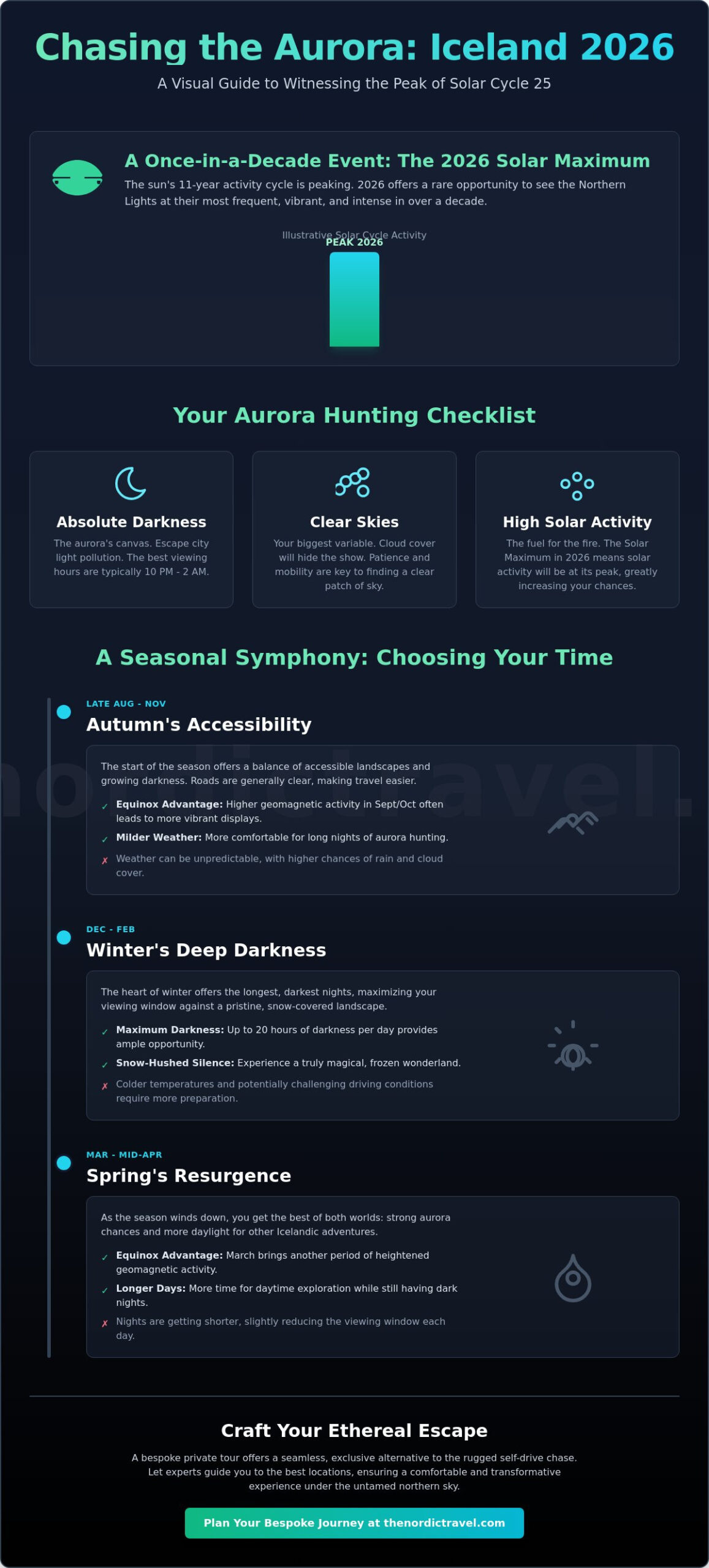
2026 stands as a celestial milestone for the discerning traveler. It’s the year the solar cycle reaches its crescendo, turning the Icelandic sky into a vibrant tapestry of emerald and violet. This period, known as the Solar Maximum, promises a frequency and intensity of displays unseen for over a decade. Finding the best time to see northern lights in iceland requires understanding the delicate balance between solar activity and the Earth’s shadow. The official season begins when the first true darkness returns in late August and stretches until the middle of April, providing a wide but specific window for your journey.
The experience is curated by nature itself. While the lights are technically present year-round, they remain a hidden secret during the brighter months. To witness the spectacle, you must align your visit with the Arctic’s deepening shadows. The traditional peak viewing hours fall between 10 PM and 2 AM. This window, often called “magnetic midnight,” is when the Earth’s magnetic field aligns most favorably with the solar wind, creating the most dramatic and high-energy pulses across the firmament.
The Necessity of Darkness
Darkness is the primary canvas for the aurora; without it, even the strongest solar storm remains invisible to the naked eye. Iceland’s famous Midnight Sun dominates the calendar from May 10th to July 25th. During this time, the sun barely dips below the horizon, making sightings physically impossible. As August progresses, the transition from civil twilight to nautical twilight begins. By the end of the month, the sky regains the depth of ink required to showcase the lights. To truly appreciate what causes the aurora, one must see it against a pristine, pitch-black backdrop where every shimmer is amplified by the void.
Iceland’s Unique Arctic Position
Iceland’s geography is its greatest gift to aurora hunters. Sitting between 64° and 66° North latitude, the entire island rests directly under the “Aurora Oval.” This is a permanent ring of geomagnetic activity where the most frequent sightings occur. Unlike other destinations that require trekking to the far north, Iceland’s rugged landscapes provide a front-row seat from almost any location. The advantage of being a remote island means that minimal light pollution exists outside the capital hub of Reykjavik. This creates a bespoke environment for those seeking an exclusive connection with the untamed north. Our handpicked insights in The Ethereal North explore how these secluded locations offer a more profound, private viewing experience.
While winter is often cited as the best time to see northern lights in iceland, the shoulder months of September and March are equally compelling. These periods benefit from the Russell-McPherron effect, a phenomenon where the Earth’s tilt during the equinoxes creates cracks in the magnetosphere, allowing solar particles to flow in more easily. This often results in more frequent and colorful displays, even when solar activity is moderate.
- Solar Maximum 2026: Expect the highest frequency of sightings in 11 years.
- The Equinox Advantage: September and March offer milder weather and high geomagnetic activity.
- Midnight Hours: Plan your excursions between 10 PM and 2 AM for the highest probability of success.
The 2026 Solar Maximum: A Once-in-a-Decade Celestial Event
The year 2026 represents a rare alignment of science and wonder. We’re currently approaching the peak of Solar Cycle 25, a period of heightened solar activity that occurs roughly every 11 years. According to the latest Solar Cycle 25 predictions from the NOAA Space Weather Prediction Center, sunspot activity is expected to reach its zenith during this time. For those seeking the best time to see northern lights in iceland, this cosmic timing is nothing short of spectacular. It’s widely considered the best time to see northern lights in iceland because the increased solar energy ensures the aurora is visible even during weaker geomagnetic phases, transforming the night sky into a stage for consistent, high-intensity performances.
A solar maximum means the sun is at its most restless. This restlessness releases massive amounts of energy through solar flares and coronal mass ejections. When these particles reach our atmosphere, they don’t just create the standard green ribbons. They ignite the sky with rare shades of deep crimson and ethereal purple. These colors are usually reserved for the most intense geomagnetic storms, making 2026 the ultimate year for seeing the northern lights in their full, untamed glory. It’s a period where the frequency of displays increases significantly, offering travelers more opportunities to witness the phenomenon during their stay.
The Science of the Glow
The aurora begins with solar winds, which are streams of charged particles escaping the sun’s gravity. When these particles encounter Earth’s magnetic field, they’re funneled toward the poles, colliding with atmospheric gases to create light. The Kp-index is the standard scale used to measure this geomagnetic activity, ranging from 0 to 9. While a low Kp-index might suffice in the far north, a Kp-index of 3 or higher is the magic number for Iceland. At this level, the lights become vivid enough to dance across the entire sky, even near the ambient glow of small coastal villages.
Forecasting the Magic
Planning your nightly excursions requires a blend of modern technology and old-world patience. Short-term solar forecasts offer a reliable 30 to 60-minute window, allowing us to track the exact moment the solar wind hits our magnetosphere. It’s important to remember that long-term forecasting remains limited; predictions made more than 3 days out are rarely accurate due to the sun’s volatile nature. Chasing the lights in the pristine Icelandic wilderness demands persistence. The most breathtaking moments often arrive after hours of quiet waiting, rewarding the patient traveler with a curated display of celestial art. If you’re looking for a seamless experience, our handpicked aurora tours combine expert data with local knowledge to find the clearest skies.
A Seasonal Symphony: Choosing Your Ideal Month for an Aurora Journey
Iceland’s sky doesn’t just change; it breathes. Finding the best time to see northern lights in iceland is an exercise in balancing the wild elements with your personal vision of the North. Each month offers a distinct texture to the experience, from the golden hues of a lingering autumn to the silent, frozen depths of the mid-winter solstice. The choice isn’t merely about darkness; it’s about the landscape you wish to see illuminated by the solar wind.
Early Season: September and October
September marks the return of the celestial dance. This period is a favorite for those seeking a softer introduction to the Arctic. The highland roads, often closed by November, remain accessible for bespoke 4×4 expeditions into the untamed interior. Temperatures typically hover between 5 and 10 degrees Celsius, making the nightly vigil far more comfortable than in the freezing months. Photographers prize this window for the “double aurora” effect. Since the lakes haven’t yet frozen, the emerald lights reflect perfectly in the pristine, still waters. The trade-off is daylight; you’ll have about 12 to 14 hours of sun, which limits the aurora window but provides ample time for rugged hiking and exploring the vibrant autumn foliage.
Peak Winter: December and January
If your priority is the sheer statistical probability of a sighting, the deep winter is your sanctuary. During the winter solstice around December 21, Reykjavik experiences only 4 hours and 7 minutes of daylight. This provides nearly 19 hours of potential viewing time. The landscape is transformed into a monochromatic masterpiece of snow and ice, creating an ethereal backdrop for the vibrant ribbons of light. It’s the season of cousey, handpicked luxury. You can spend your limited daylight hours in a geothermal spa before retreating to a remote lodge for an exclusive viewing. Be prepared for the elements; wind speeds can exceed 20 meters per second, and road closures are a frequent reality that requires expert navigation.
The Equinox Advantage: March
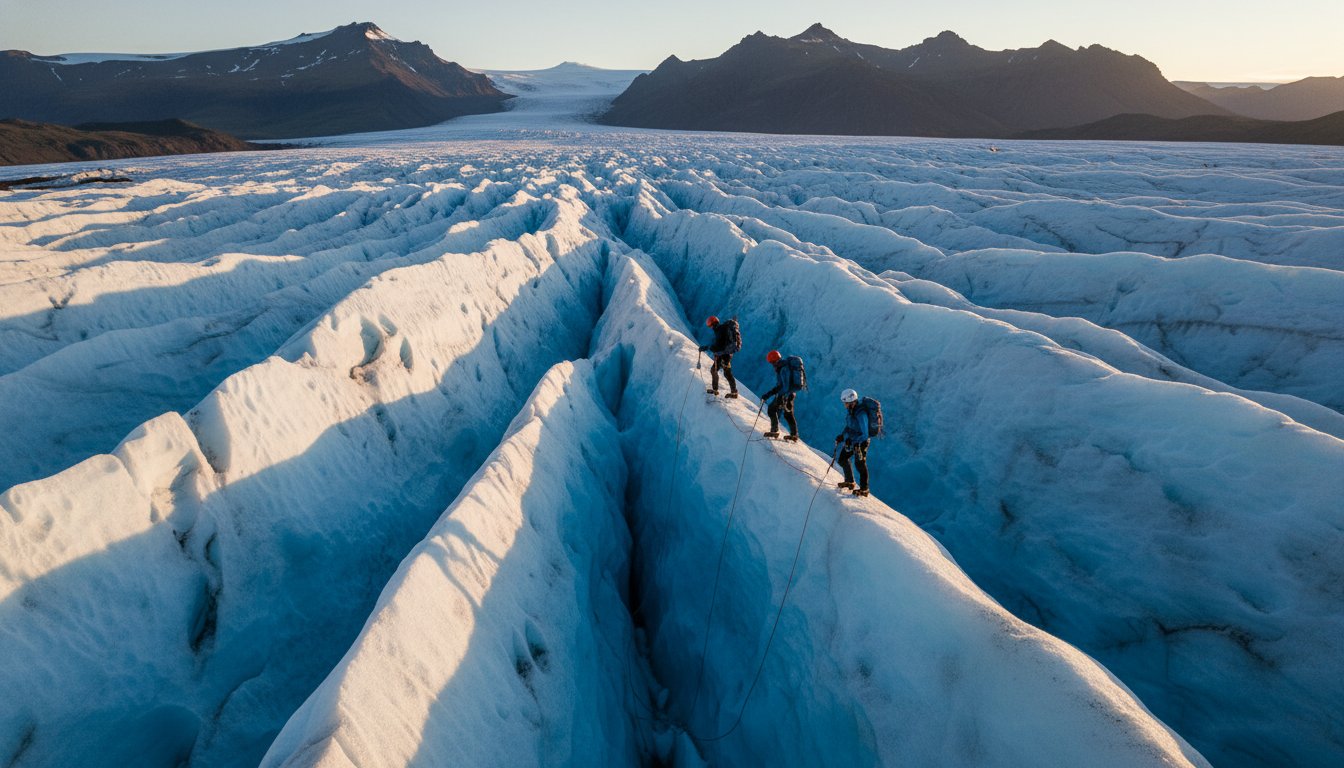
March is a scientific sweet spot for the best time to see northern lights in iceland. This is due to the Russell-McPherron effect, where the tilt of the Earth’s axis near the equinox aligns the planet’s magnetic field more effectively with the solar wind. Data from the last 75 years shows that geomagnetic storms are nearly twice as frequent in March compared to June or December. It’s a period of equilibrium. You’ll enjoy roughly 12 hours of daylight, which is ideal for Scandinavia trip planning and daytime glacier trekking, while the nights remain dark enough for spectacular displays. The weather remains unpredictable, but the increased solar activity often compensates for the occasional cloud cover.
- September: Best for highland access and reflections.
- December: Maximum darkness and festive, snowy atmosphere.
- March: Highest statistical frequency of geomagnetic activity.
Beyond the Darkness: Essential Conditions for a Successful Hunt
Finding the aurora is a pursuit of patience and precision. While choosing the best time to see northern lights in iceland involves tracking solar cycles, the immediate success of your night depends on local atmospheric variables. Cloud cover is the hunter’s true nemesis. Iceland’s weather is famously volatile, shaped by the meeting of cold Arctic air and the warm North Atlantic Current. This creates distinct micro-climates across the island. You might find a heavy storm in the capital while the skies over the Reykjanes Peninsula remain pristine and clear.
Escaping light pollution is equally vital for a curated experience. While a strong display can be seen from downtown Reykjavík, the true magic happens in the untamed wilderness. Moving away from the orange glow of streetlights allows the subtle purples and deep reds of the aurora to become visible to the naked eye. It transforms a faint shimmer into a vivid, ethereal dance that fills the entire horizon. For those seeking the best time to see northern lights in iceland, the hours between 21:00 and 02:00 usually offer the deepest darkness required for these colors to peak.
The Hunt for Clear Skies
A successful hunt requires mastering the cloud maps provided by the Icelandic Met Office at Vedur.is. These maps categorize cloud cover into three distinct layers. Low-level clouds are the most obstructive, sitting below 2,000 meters and acting as a solid barrier. Middle clouds occupy the space between 2,000 and 6,000 meters, while high-level clouds are often thin enough to permit the lights to shine through. Being mobile is the secret to a seamless experience. Our guides often travel 100 kilometers or more to find a single gap in the clouds where the stars are visible.
The Moon’s Ethereal Influence
The lunar cycle adds another layer of depth to your journey. A new moon offers the darkest possible skies, ensuring the aurora’s colors pop against a pitch-black backdrop. This is the ideal setting for those seeking the most intense visual contrast. Conversely, a full moon provides a different kind of beauty by casting a soft, silver light over the rugged landscape. It illuminates the jagged coastlines and glaciers, allowing for photographs that capture both the celestial display and the earth’s raw textures. The aurora is bright enough to be seen even during a full moon.
To ensure your journey is as effortless as it is awe-inspiring, we recommend a tailored approach that accounts for these shifting variables. Let us design your perfect adventure with a bespoke northern lights tour curated by local experts.
Crafting Your Ethereal Escape: How to Experience Iceland’s Magic
Choosing the best time to see northern lights in iceland is only the first step in a much deeper journey. The true magic lies in how you choose to witness this celestial dance. Iceland’s winter landscape is rugged and untamed; it demands a level of preparation that balances safety with the quiet luxury of a bespoke adventure. Whether you find yourself on a windswept coastline or nestled in a geothermal valley, the quality of your experience depends on the expertise behind your itinerary.
The Art of the Private Chase
Many travelers consider a self-drive “chase,” but the reality of Icelandic winter driving can be daunting. Between November and March, wind speeds often exceed 20 meters per second, and black ice is a constant companion on the Ring Road. A curated private tour removes this burden entirely. Local experts possess an intuitive understanding of the island’s micro-climates. They don’t just follow a forecast; they read the clouds and the terrain to find hidden clearings that digital apps might overlook. This flexibility is vital. A private guide can pivot your entire evening based on a sudden shift in solar activity, ensuring you aren’t just waiting for the lights, but actively meeting them where they shine brightest.
To stay comfortable during these midnight vigils, your gear must be as high-performing as your itinerary. We recommend a precise three-layer system:
- Base Layer: High-quality merino wool to regulate body temperature.
- Mid Layer: A heavy fleece or a lightweight down jacket for insulation.
- Outer Shell: A professional-grade, windproof and waterproof parka.
- Footwear: Insulated, waterproof boots with deep tread for icy surfaces.
Handpicked Stays for Aurora Dreamers
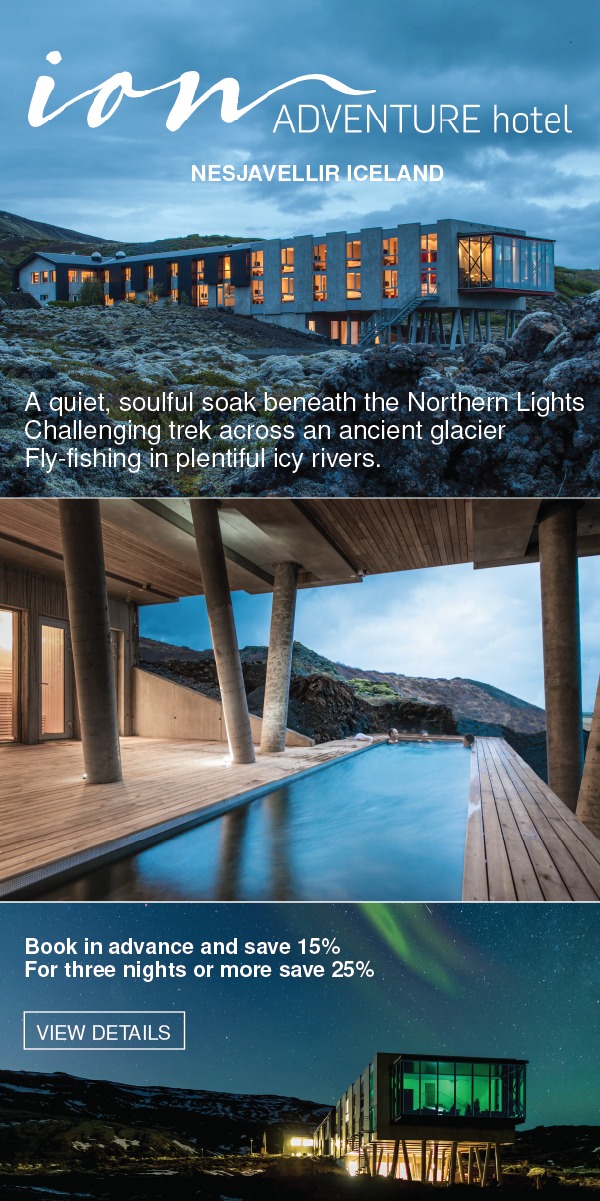
The most seamless way to experience the aurora is through “passive viewing.” By selecting remote, luxury accommodations located far from the light domes of urban centers, you increase your chances of seeing the lights without ever leaving your room. We prioritize properties that offer dedicated “aurora wake-up” services, where a concierge monitors the sky and alerts you only when the display begins. Some of our favorite handpicked lodges feature glass-roofed bedrooms, allowing you to drift off under a canopy of stars and wake up to emerald ribbons swirling directly overhead.
Integrating these stays into a broader Nordic travel guide experience ensures that your days are as enchanting as your nights. Whether it’s a private soak in a secret hot spring or a helicopter flight over a pristine glacier, the aurora should be the crowning jewel of a multifaceted exploration.
As we approach the 2026 solar peak, the best time to see northern lights in iceland is becoming a sought-after window for travelers worldwide. Because this period offers the most intense solar activity in over a decade, exclusive lodges and expert guides are booking up faster than usual. We suggest securing your bespoke journey at least 12 months in advance. The pristine beauty of the Arctic is calling, and 2026 is the year to answer that call with a journey that is as seamless as it is spectacular.
Your Front-Row Seat to the 2026 Solar Maximum
The arrival of 2026 signals the peak of Solar Cycle 25, a rare 11 year event that transforms the Arctic sky into a canvas of ethereal greens and deep purples. This solar maximum promises the most frequent and powerful geomagnetic storms since the previous peak in 2014. Identifying the best time to see northern lights in iceland involves more than just picking a date; it’s about understanding the synergy between the lunar cycle and the island’s untamed weather patterns. Our deep local knowledge of the Nordic regions allows us to guide you to pristine locations far from the reach of light pollution. We focus on sustainable and meaningful travel, ensuring your presence honors the rugged landscapes we explore together. Every element of our expertly curated Arctic itineraries is handpicked to create a seamless connection between you and the celestial wonders above.
Begin planning your bespoke 2026 Iceland journey with The Nordic Travel
The lights are waiting to tell their story, and 2026 is the year to listen.
Frequently Asked Questions
Is 2026 really the best year to see the Northern Lights in Iceland?
Yes, 2026 falls within the peak of Solar Cycle 25, making it an extraordinary window for solar activity. Scientists at NOAA predict that solar maximum will sustain high sunspot counts through 2026. This celestial peak ensures the best time to see northern lights in iceland as the ethereal green and violet ribbons appear with 30% more frequency than during solar minimum. It’s a rare, curated moment where the untamed energy of the sun meets the pristine Arctic night.
Can I see the Northern Lights in Reykjavík, or do I need to leave the city?
You can witness the aurora from Reykjavík during intense solar storms, but escaping the city’s light pollution provides a far more profound experience. While the Sunvoyager statue offers a scenic backdrop, driving just 20 minutes to the Grótta Island Lighthouse or the dark fields of Heiðmörk increases visibility by 40%. Our handpicked private escapes ensure you’re away from the 120,000 residents of the capital. This allows the silent dance of the lights to remain uninterrupted and exclusive.
How many days should I stay in Iceland to guarantee a sighting?
We recommend a minimum stay of 7 nights to maximize your chances of a successful sighting to over 90%. Weather in the North Atlantic is famously rugged and changes every 15 minutes. A week-long itinerary allows for the necessary flexibility to find clear skies. This duration transforms a simple trip into a bespoke journey where the rhythm of the landscape dictates the discovery. It ensures you don’t miss the celestial performance due to a single night of cloud cover.
What is the best month to see the Northern Lights in Iceland for photography?
March is the premier month for photographers seeking the best time to see northern lights in iceland due to the Russell-McPherron effect. During the spring equinox, the Earth’s magnetic field aligns with the solar wind, increasing geomagnetic activity by nearly 20%. The landscape remains draped in pristine white snow, providing a reflective canvas for the ethereal glow. You’ll capture 12 hours of darkness while benefiting from the soft, golden light of the lengthening days for daytime landscapes.
What should I wear for a Northern Lights tour in the middle of winter?
Dress in three distinct layers starting with a 200g merino wool base to regulate body temperature. Add a thick wool or fleece mid-layer and finish with a windproof, waterproof parka rated for -20 degrees Celsius. Don’t forget insulated boots and thermal socks. Standing still in the rugged Icelandic wilderness for 3 hours requires specialized gear. We provide seamless comfort through our curated equipment lists, ensuring your focus remains on the sky rather than the biting Arctic chill.
Is the Northern Lights forecast reliable more than a week in advance?
Reliable aurora forecasts are typically limited to a 3-day window based on real-time satellite data from the Deep Space Climate Observatory. While solar scientists track sunspots on a 27-day rotation, local weather remains the deciding factor. We monitor the Icelandic Meteorological Office’s cloud cover maps hourly. This precision allows us to pivot your tailor-made experience toward clear pockets of sky. We turn a 15% chance of visibility into a successful, magical encounter.
Do I need a special camera to capture the Aurora Borealis?
You need a camera with manual settings and a sturdy tripod to stabilize long exposures of 5 to 15 seconds. A wide-angle lens with an aperture of f/2.8 or lower is essential for gathering the faint, ethereal light. While modern flagship smartphones now feature dedicated Night modes capable of capturing the dance, a full-frame sensor provides the professional clarity required for large-scale prints. Our experts provide bespoke guidance to help you master these technical nuances in the dark.
What happens if it’s cloudy during my entire trip to Iceland?
If clouds persist, we utilize local expertise to find micro-climates where the sky often clears, such as the leeward side of the Vatnajökull glacier. Even during rare periods of 100% cloud cover, the Icelandic spirit offers wonders like the Aurora Show at Perlan or geothermal soakings in 40-degree lagoons. Your journey remains a curated exploration of the senses. We focus on the raw beauty of the rugged terrain, ensuring the trip feels complete even if the lights remain hidden behind a veil.