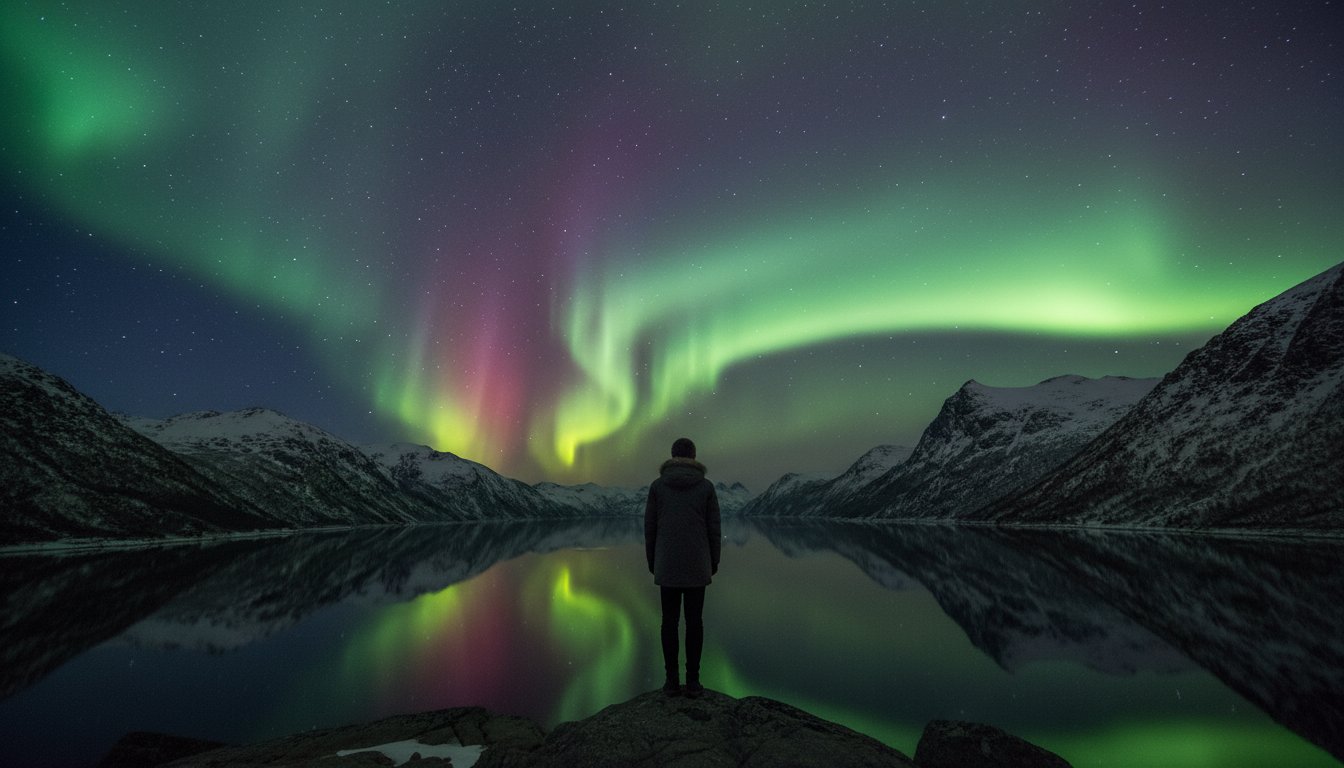
What if the most vibrant celestial performance of our lifetime is already written in the stars for the early months of 2026? You’ve likely felt the weight of the rumors that this upcoming Solar Maximum is the final window for a decade to witness the sky in such vivid, untamed colors. It’s natural to worry that a single week’s miscalculation could mean the difference between a faint green smudge and a soul-stirring, ethereal dance of violet and crimson. Understanding exactly when to see aurora borealis in Norway is no longer just a matter of luck; it’s a science of timing your arrival with the sun’s 11 year peak.
We understand that you seek more than a glimpse; you desire a curated encounter with the Arctic’s greatest mystery. This guide provides a data-driven roadmap to the 2026 peak, revealing why the equinoxes offer a 20% statistical advantage for geomagnetic storms. You’ll discover the precise seasonal windows to secure your front-row seat to this pristine spectacle and learn how to navigate the rugged Norwegian coast for a truly bespoke adventure. From the science of solar flares to the quiet luxury of a handpicked viewing spot, your journey into the heart of the light begins here.
Key Takeaways
- Understand why 2026 marks the final golden peak of the current solar cycle, offering the most vibrant and frequent displays in over a decade.
- Discover exactly when to see aurora borealis in norway by leveraging the autumn equinox, when the Earth’s magnetic field is most receptive to solar winds.
- Move beyond the myths of the deep polar night to find the ethereal balance between increasing darkness and clear, pristine autumn skies.
- Learn to navigate real-time solar data and local weather patterns to outsmart cloud cover, the primary obstacle to a successful sighting.
- Explore why a bespoke, curated journey is essential for accessing private viewing locations and securing an exclusive encounter with the lights.
The 2026 Solar Maximum: Why This is Norway’s Golden Year for the Aurora
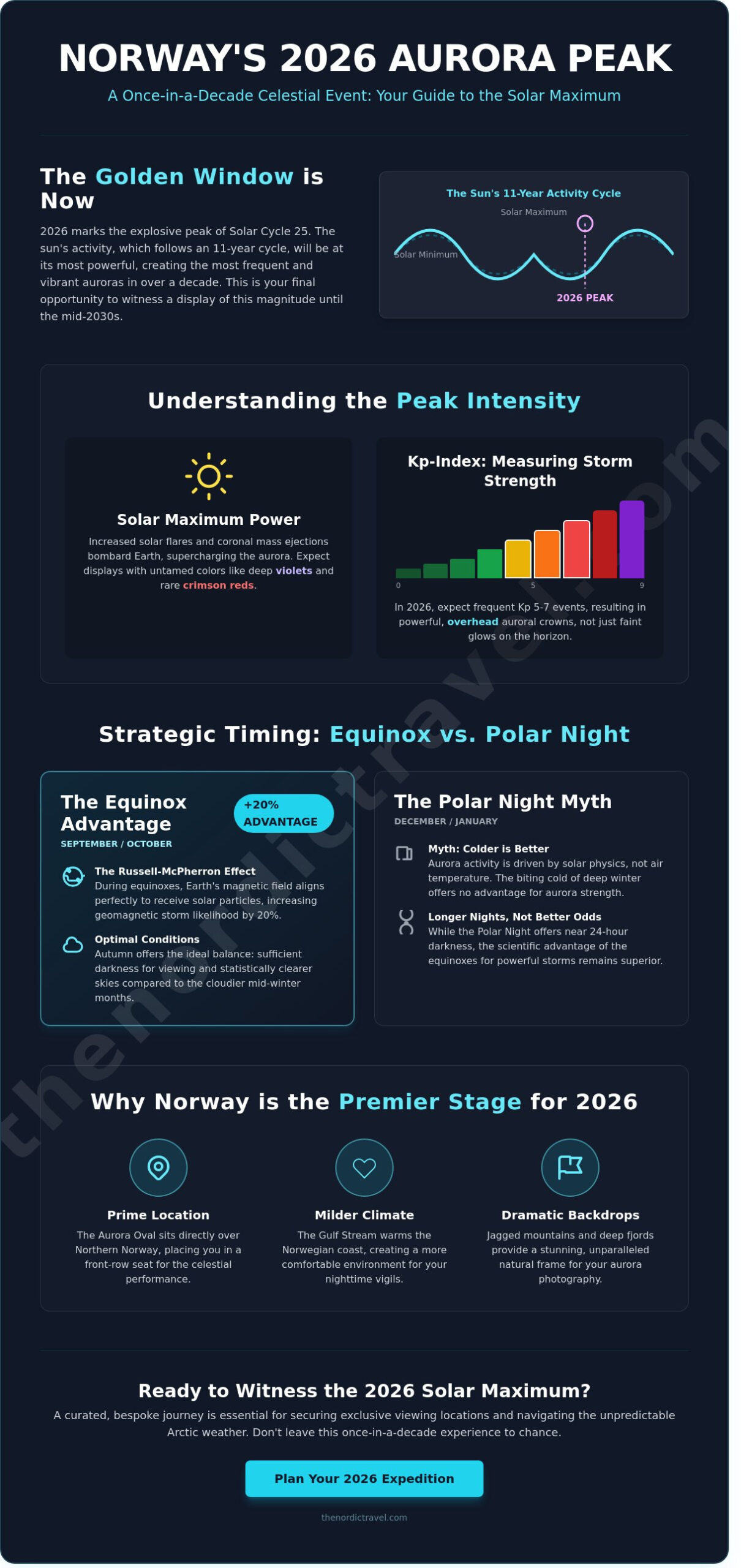
2026 isn’t just another year in the Arctic calendar; it’s the celestial crescendo travelers have waited a decade to witness. The sun operates on a rhythmic 11-year cycle, pulsing between quietude and intense magnetic energy. We call the peak of this activity the Solar Maximum. For those discerning travelers wondering when to see aurora borealis in norway, 2026 represents the final, most potent peak of Solar Cycle 25 before the solar fires begin their inevitable decade-long fade. It’s a fleeting window of opportunity where the heavens offer their most dramatic performances.
This peak isn’t merely about frequency, it’s about the sheer raw power of the displays. During a Solar Maximum, increased solar flares and coronal mass ejections translate into frequent, vivid sub-storms. These events transform the night sky from a faint, ghostly glow into an untamed dance of violets, crimson reds, and deep magentas. To truly appreciate the science of the aurora, one must understand how these bursts of charged particles collide with Earth’s atmosphere, a process that will reach its absolute zenith in 2026. This is why luxury explorers and photographers are already securing their spots; a high-intensity experience of this magnitude won’t return until the mid-2030s.
Understanding Solar Cycle 25
Solar Cycle 25 began its slow ascent from a quiet solar minimum in December 2019. Since then, activity has climbed steadily, surpassing initial NASA predictions for intensity. The Kp-index is the primary metric for aurora strength, measuring geomagnetic activity on a scale from 0 to 9. In 2026, we expect a higher frequency of Kp-5 to Kp-7 events. These powerful storms ensure the lights don’t just hover as a distant glow on the northern horizon. Instead, they produce “overhead” displays, where the curtains of light appear to crown the observer, shimmering directly above the rugged Norwegian peaks.
Why Norway is the Premier Stage for 2026
Norway provides a curated front-row seat to this solar peak because the Aurora Oval sits directly above the Norwegian Arctic. While the interior regions of the Nordic region often face bone-chilling temperatures, Norway’s pristine coastline is softened by the Gulf Stream, creating a more comfortable environment for midnight vigils. The geography here is bespoke for the aurora; deep fjords and jagged mountains provide a dramatic, handpicked backdrop for the ethereal light.
Choosing when to see aurora borealis in norway during the 2026 season guarantees a seamless blend of natural wonder and professional expertise. You can find more foundational details on the physics of these lights in our comprehensive guide to Seeing the Northern Lights. This golden year offers a rare invitation to witness the Arctic at its most luminous, where the boundary between Earth and the cosmos feels beautifully thin.
The Science of Timing: Equinoxes vs. the Deep Polar Night
Many travelers believe that the biting frost of January is a prerequisite for the lights. It’s a common misconception. The celestial dance doesn’t depend on air temperature, but on the delicate interplay between solar wind and Earth’s magnetic shield. This is where the Russell-McPherron effect changes everything. During the equinoxes, the alignment of our planet’s magnetic field becomes more “open” to solar particles. This geometric synchronicity creates a bridge for energy to pour into our atmosphere, often resulting in more vibrant displays than the solstice months. While the 2026 Solar Maximum ensures high activity, your success in planning when to see aurora borealis in norway often hinges on these seasonal nuances.
Choosing a real-time aurora forecast tool is essential for tracking these fluctuations. You must weigh the deep, velvet darkness of the Polar Night against the comfortable, lingering twilights of the shoulder seasons. In mid-winter, you have nearly 24 hours of darkness, but the “Blue Hour” of autumn and spring offers a unique visual drama. During these periods, the sky isn’t just black; it’s a deep, sapphire canvas that provides a stunning contrast to the neon greens and violets of the aurora. It’s a more textured, ethereal experience for those seeking professional-grade photography.
The Autumn Equinox Advantage (September & October)
Late September marks a golden window for the discerning traveler. Statistical data from the last two solar cycles shows that geomagnetic activity peaks around the autumn equinox on September 22nd. You’ll witness the “Double Aurora” phenomenon, where the emerald ribbons reflect perfectly in the still, unfrozen waters of the fjords before the winter ice sets in. Mild temperatures, often hovering between 5 and 10 degrees Celsius in regions like Tromsø, allow for longer, more comfortable outdoor vigils without the numbing chill of minus 15 degrees found in January. This season offers a pristine balance of dark nights and accessible, rugged landscapes.
The Spring Equinox (March & April)
March is frequently the favored month for seasoned Arctic explorers. The weather patterns tend to stabilize after the turbulent winter storms, offering the clear skies necessary for a successful hunt. Around March 20th, a literal “crack” in the magnetosphere allows solar wind to penetrate more easily, sparking intense displays even during moderate solar activity. You can spend your days dog sledding under a bright Arctic sun and your nights chasing the glow across a snow-covered horizon. It’s a balanced, tailor-made experience that captures the very best of the North. When deciding when to see aurora borealis in norway, the stable weather of March 2026 will likely provide the highest number of clear-sky viewing opportunities.
A Month-by-Month Guide to Norway’s 2026 Aurora Season
The 2026 season represents the absolute zenith of Solar Cycle 25. Choosing when to see aurora borealis in norway during this period requires a balance between celestial activity and the rugged beauty of the landscape. According to the official solar cycle predictions, the geomagnetic frequency will reach its highest levels in over a decade. This makes every month from autumn to spring a potential masterpiece of light and color.
Late September to November: The Ethereal Transition
This window offers what seasoned travelers call “Goldilocks” conditions. You’ll find enough darkness to witness the vibrant greens and purples of the solar maximum, yet enough daylight to admire the untamed fjords. In late September, the autumn equinox often triggers enhanced geomagnetic storms due to the Russell-McPherron effect. You’ll also avoid the heavy, light-blocking snow clouds that typically arrive later in the year, ensuring a clearer view of the heavens.
The coastal climate remains crisp and damp during these months. We recommend a bespoke layering system to stay comfortable while waiting for the lights. Focus on these essentials:
- A base layer of fine merino wool for natural moisture regulation.
- A handpicked mid-layer of fleece or down for insulation.
- A high-quality waterproof and windproof shell to repel the North Sea mist.
December to February: The Heart of the Arctic Winter
Between late November and mid-January, Northern Norway enters the “Polar Night.” In regions like Tromsø, the sun stays below the horizon for approximately 45 days. This creates a pristine, 24-hour canvas for the lights, allowing for sightings as early as 4:00 PM. Before the evening show begins, you’ll experience the “Polar Twilight,” a deep, ethereal blue that bathes the rugged, snow-covered peaks in a surreal, magical glow.
Logistics during these frozen months require precision and local expertise. We recommend consulting our curated guide on Scandinavia trip planning to ensure a seamless journey through the deep Arctic wilderness. By February, the landscape transforms into a true winter wonderland. The return of the sun brings crisp, clear skies, which are essential for spotting the high-frequency displays predicted for 2026. Deciding when to see aurora borealis in norway often comes down to whether you prefer the golden, fiery hues of the autumn transition or the silent, white embrace of the deep winter night.
Chasing the Light: Practical Strategies for a Successful 2026 Expedition
The hunt for the Green Lady is a pursuit of ephemeral beauty; it requires a blend of scientific precision and patient surrender to the untamed North. To master when to see aurora borealis in Norway during the 2026 solar maximum, you must look beyond the horizon. Success isn’t found by chance. It’s curated through a four step methodology that transforms a cold night into a life changing encounter.
- Step 1: Solar Monitoring. Download specialized Arctic apps like Aurora Forecast or Hello Aurora. These tools track the Kp-index, a scale from 0 to 9 that measures geomagnetic activity. In 2026, we anticipate frequent spikes above Kp 5, indicating high probability of vivid displays.
- Step 2: The Cloud Factor. Local weather is your primary adversary. Even the most powerful solar storm cannot pierce thick stratus clouds. Use the Norwegian weather service, Yr.no, to find “blue holes” or clear patches in the sky.
- Step 3: Seeking Pristine Darkness. Light pollution from city centers like Tromsø can wash out the ethereal glow. Travel at least 15 kilometers away from urban centers to find the absolute dark required for the colors to pop.
- Step 4: Arctic Endurance. Temperatures in the Norwegian wilderness often drop below -20°C. High quality Arctic gear, including merino wool base layers and windproof outer shells, ensures you stay comfortable during the long hours of waiting.
Tools for the Modern Aurora Chaser
In 2026, the sun’s peak activity brings a volatile energy to the magnetosphere. You can’t rely on daily averages alone. Short term forecasts now offer 30 minute lead times based on real time satellite data from the DSCOVR spacecraft. There’s a vital distinction between a “forecasted” Kp and real time geomagnetic unrest. While a forecast predicts potential, real time “unrest” tells you the lights are dancing right now. This year’s solar flares are faster and more frequent; you must be ready to move within minutes when the data spikes.
Safety and Sustainability in the Arctic
The rugged Norwegian terrain is as dangerous as it’s beautiful. Navigating icy fjords and steep mountain passes at night requires professional expertise. Guided tours offer a seamless experience, providing the safety protocols needed for the Arctic night. Beyond your own safety, you must protect the fragile ecosystem. Stick to established paths to avoid damaging the slow growing tundra. For those planning their daylight hours, our Norway Fjords Guide provides essential insights into navigating these landscapes with respect and care.
Ready to witness the celestial dance of 2026? Explore our bespoke Arctic itineraries designed for the ultimate northern lights experience.
Curating the Experience: Why a Bespoke Journey Matters in 2026
Chasing the lights shouldn’t feel like a crowded commute. As the 2026 Solar Maximum approaches, the popular hubs in Northern Norway will see a surge in mass tourism. A bespoke journey bypasses the 50-seater buses and generic viewpoints, placing you instead on a private, silent shoreline or a secluded mountain ridge. True luxury lies in the absence of crowds, where the only sound is the crackle of a coastal campfire and the shifting of Arctic ice.
Local expertise is the bridge between a missed opportunity and a lifetime memory. Our guides don’t just follow the crowds; they interpret real-time data from the Norwegian Meteorological Institute and monitor solar wind speeds with precision. They understand the micro-climates of the Lyngen Alps and the coastal corridors of Senja, knowing exactly where clear skies will emerge when the inland fjords are clouded. Choosing when to see aurora borealis in norway involves more than picking a date; it requires a curated strategy that respects the rhythm of the untamed North.
We advocate for a slow travel itinerary that honors the local Sámi culture and the pristine environment. Instead of rushing between landmarks, we invite you to linger. This approach creates a deeper emotional connection to the landscape, ensuring your 2026 expedition is a meaningful narrative rather than a checked box on a list. It’s an investment in a handpicked experience that mirrors the ethereal beauty of the lights themselves.
Handpicked Accommodations for Aurora Viewing
The 2026 peak has inspired a new era of glass-roof architecture across the Arctic Circle. We select remote cabins and boutique lodges designed to blur the line between indoor comfort and the rugged wilderness. Staying in the Arctic for at least 5 nights is essential, as this duration increases your sighting success rate to over 85% by accounting for weather variability. It’s about seamless transitions, moving from a day of dog-sledding to a night of quiet luxury under a transparent ceiling.
The Nordic Travel Philosophy
Our philosophy is rooted in the art of storytelling and the pursuit of the extraordinary. Bespoke planning ensures you aren’t just a spectator but a participant in the Solar Maximum’s grandest displays. We synchronize your itinerary with the 27-day solar rotation to capture the most intense geomagnetic activity. Don’t leave your 2026 journey to chance. Contact our experts today to begin crafting a tailor-made Arctic expedition that captures the true essence of the North.
Step Into the Ethereal Glow of the 2026 Solar Maximum
The 2026 Solar Maximum represents the zenith of the current 11-year solar cycle, promising the most intense geomagnetic activity since 2014. Timing your journey for the autumn and spring equinoxes offers the highest statistical probability of witnessing the lights because of the Russell-McPherron effect. Understanding when to see aurora borealis in Norway is the first step toward a transformative encounter with the untamed north. Our Arctic travel specialists have meticulously tracked these solar cycles to ensure your expedition aligns perfectly with the peak of this celestial phenomenon.
At The Nordic Travel, we believe your journey should be as pristine and exclusive as the landscapes themselves. We prioritize a sustainable and bespoke travel philosophy, curating handpicked experiences that avoid the noise of mass tourism. Every detail is managed with seamless precision, allowing you to focus on the quiet luxury of a dancing sky. Don’t leave this once-in-a-decade event to chance; let us craft a narrative that’s uniquely yours. Our experts focus on 2026 Solar Maximum peak timing to provide an unparalleled view of the heavens.
Explore our curated 2026 Nordic Tours and start planning your aurora journey today.
The Arctic is calling, and its most spectacular performance is about to begin.
Frequently Asked Questions
When is the absolute best month to see the Northern Lights in Norway in 2026?
March and October are the premier months to witness the celestial dance in 2026. These periods align with the equinoxes, when the Russell-McPherron effect makes the Earth’s magnetic field more receptive to solar particles. Data from the Space Weather Prediction Center indicates that these months offer the most stable balance of clear skies and high geomagnetic activity for a truly ethereal experience.
Is 2026 really the best year for the Aurora Borealis?
Yes, 2026 marks the anticipated peak of Solar Cycle 25, a period known as the Solar Maximum. During this phase, the sun’s activity reaches its 11 year zenith, resulting in more frequent and powerful solar flares. This creates an exclusive window where the answer to when to see aurora borealis in norway involves the most vibrant and widespread displays seen in over a decade.
What time of night are the Northern Lights most active in Norway?
The most intense displays typically occur during magnetic midnight, which falls between 10:00 PM and 2:00 AM. While the lights can appear as early as 6:00 PM in the deep winter, this four hour window provides the highest probability of seeing the curtains pulse and dance. Our bespoke itineraries focus on these peak hours to ensure you’re positioned under the most active part of the auroral oval.
Can you see the Northern Lights in Norway during the summer?
You can’t see the aurora during the Norwegian summer because of the persistent glow of the midnight sun. From late May through late July, the sun remains above the horizon for 24 hours in regions like Tromsø and the North Cape. This lack of darkness makes it impossible to see even the most powerful solar storms until the pristine autumn nights return in late August.
How many days should I spend in Norway to guarantee seeing the aurora?
We recommend a stay of 5 to 7 days to account for local weather patterns and cloud cover. Statistical records from Arctic observatories show that a week-long visit increases your sighting probability to over 90 percent. This timeframe allows for a seamless experience, giving you the flexibility to chase clear skies across different handpicked locations if coastal mists roll in.
Do I need a special camera to capture the Northern Lights in 2026?
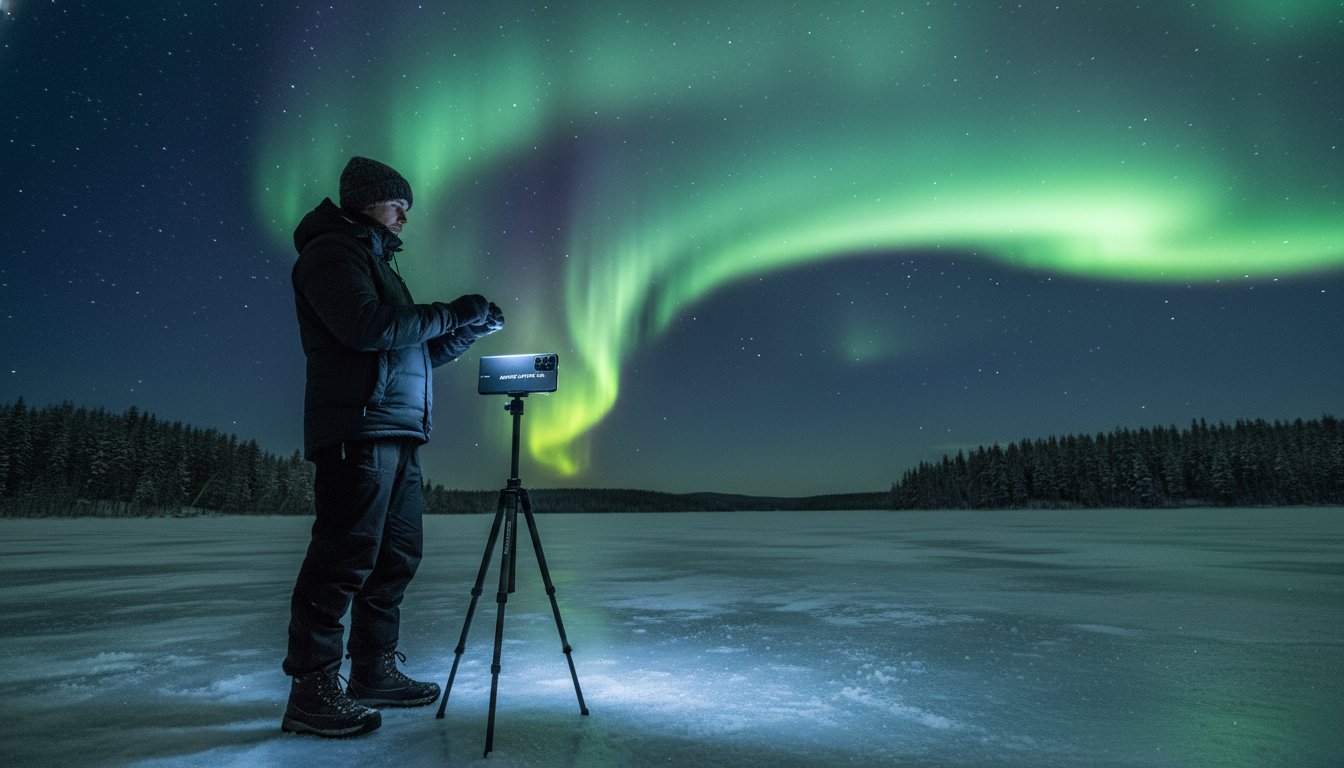
You don’t need a professional cinema rig, but a camera with manual settings and a sturdy tripod is vital for crisp results. Most modern smartphones can capture the green glow using night mode, but a DSLR with a wide angle lens set to f/2.8 will better preserve the untamed details. Setting your ISO between 1600 and 3200 allows you to freeze the movement of the lights without losing the rugged texture of the landscape.
Is it better to see the aurora from a ship or on land?
A land based expedition is generally superior for photography, while a ship offers a more fluid, moving perspective of the fjords. Land tours allow you to use tripods on solid ground, which is essential for the long exposures required to capture when to see aurora borealis in norway at its finest. Conversely, a coastal cruise effortlessly navigates away from light pollution, providing a curated view of the horizon from the deck.
What is the “Kp-index” and why does it matter for my 2026 trip?
The Kp-index is a scale from 0 to 9 that measures the strength of geomagnetic activity in the atmosphere. A Kp-rating of 3 is usually enough to see a bright, shimmering display in Northern Norway, while a Kp-rating of 5 or higher indicates a major solar storm. Monitoring these numbers helps our experts determine the perfect moment to head into the wilderness for a private, light drenched encounter.